Requirements To Be a Franchisor in India – A Step-To-Step Guide

Written by Sparkleminds

Whether you are still considering adapting to the franchise model or already made your decision to transform from a business owner to a franchisor, every role requires a set of requirements you need to follow. Yes, that’s correct. You need to follow these requirements to be a franchisor, or in other words to be a successful franchisor in India.

Don’t forget to leave your feedback and comments at the end of the article so that our experts at Sparkleminds can reach out to you and help you start right away in franchising your business in India. So shall we start?

Requirements To Be a Franchisor

Important Requirements To Be A Franchisor in India

Readers may already be familiar with the term “franchising,” which refers to the procedure by which a body (hence referred to as a “franchisor”) grants a licence to current or prospective entrepreneurs to implement the brand’s business concept in a different geographic area for a predetermined length of time. And in this case, you are the franchisor.

So here are some key elements to keep in mind while you convert from a business owner to a franchisor in India.

1. Understanding The Indian Franchising Legal Framework.

Different types of businesses and franchise agreements may have different legal requirements in India when it comes to franchising. In most cases, nevertheless, franchisors need to register their brand and any other applicable ownership rights with the competent government body and adhere to all applicable rules and regulations about their industry.

Instead of franchise legislation, franchising in India is in regulation by a patchwork of preexisting statutes. Crucial rules include.

2. Registering your brand as the Franchisor.

Franchisor registration with any specialised or regulatory body is not a prerequisite for signing a contract for this purpose under Indian law. Conversely, a user of a mark can be more easily recordable under the Indian Trademark Act.

3. Creating a robust franchise business model that is replicable.

It is critical to have a thorough and scalable business model. This covers.
  • The Operations Manual is an all-inclusive reference for managing the business.
  • To maintain uniformity in business practices, training programmes are available to franchisees.
  • Systematic assistance in the areas of management, operations, and marketing.

4. Understanding the importance of a Franchise Agreement & Drafting the same.

A franchise agreement serves as its bedrock, in addition to the more apparent requirements of capital, physical plant, and other essentials. These purpose-specific agreement types are influenced by a variety of characteristics, including format, control, franchisor type, and others.

Here are some essential aspects that are part of the franchise agreement in India.
  • Franchise terms and renewal conditions are outlined in the terms and conditions.
  • The initial franchise cost, royalty payments, and any additional fees that may apply.
  • The franchisee’s geographical region of operation is referred to as territory rights.
  • The obligations of the franchisor and the franchisee are interdependent.
  • What constitutes a valid reason to cancel this agreement is in the termination clause.

5. Ensuring the protection of all your business rights.

Get the legal protection you need for your brand name, trademarks, and other forms of intellectual property. That includes:
  • To safeguard your business’s name and logos from infringement, you should register them as trademarks.
  • Safeguard confidential goods and procedures if necessary.

6. Preparing a Financial Plan for financial planning.

This financial plan plays a crucial role as a requirement for a franchisor. While preparing your franchise financial plan, here is what needs to be a part.
  • Check that franchisees can afford to operate the firm.
  • Initial and continuous investments are required to support franchisees by the franchisor.

7. Marketing plan and strategies.

For you as the franchisor to attract potential investors, you will need to support it with a proper marketing plan. While preparing the marketing strategy, here is what you need to include.
  • Marketing methods for promoting brands on a national and regional scale.
  • Funds that franchisees put in to help with group advertising.

8. Seeking legal and professional guidance.

Choosing to speak to legal experts or franchise consultants who are expert in the matter, can help you transform to a franchisor in the right manner.
  • To create and improve the franchise model, consultants are needed.
  • Consultants in the field of law: for the purpose of formulating agreements and checking for legal conformity.

9. Training and ongoing support.

It is important to provide franchisees with significant training and ongoing support in order to ensure that the quality and uniformity of all shops is in proper place.

Moreover, while selecting potential franchisees, it is important to conduct a due diligence, to check the background of the candidates. Also doing a market analysis and checking for an appropriate location is crucial for every to-be franchisor.

To sum up, to secure the success and expansion of the franchise network, franchising in India requires meticulous planning, compliance with the law, and a robust support structure. Franchising is a great way for business owners to grow their company and develop their brand if they know and follow these guidelines.

Duties and Requirements to be a franchisor While Expanding His Business in India

To ensure a successful business expansion in India, the franchisor must follow some roles and responsibilities to ensure a smooth transition.

  1. Assessing Potential Franchise Models: For franchisees to be successful, the franchisor must develop a long-term, reproducible business strategy. Things like:
    1. Defining the concept for the business and making sure it works.
    2. A thorough operations handbook outlining the normal operating procedures and other relevant information is provided.
  2. Ensuring all the legal aspects are properly understood and adhered to, so that stepping into franchise network is much smoother.
  3. Preparing a training program for the initial as well as on going support can help the franchisees keep updated with the possible changes in the market.This program will cover topics like business operations, how to run the business and also the franchise system.
  4. Ensuring maintaining quality standards: Maintaining uniform quality at all franchise locations is crucial:
    1. Inspecting and auditing franchise locations regularly is part of the inspection process.
    2. Setting up a method to receive and handle customer and franchisee feedback is what we call a feedback mechanism.
  5. Protection of your franchisee’s interest. All you do as a franchisor should be in the best interest of your franchisee also. This is crucial because if your franchisee grows successful, you will be able to start more locations. To ensure your franchisee’s interests are protected.
    1. Treating all franchisees with respect and being forthright in all transactions.
    2. Providing methods for settling disagreements and complaints is what conflict resolution is all about.

To sum up, the requirements to be a franchisor are put up in this guide. Moreover, you can also connect with experts at Sparkleminds if you are all set to start a franchise of your business in India.

Loading

Steps To Strengthen the Franchisor Franchisee Relationship in India

Written by Sparkleminds

Did you know how important the relationship between you the franchisor and your investor, also known as the franchisee? Well, if you didn’t then, here is all you should know about the franchisor franchisee relationship once you have franchised your business in India. Moreover, this is a relationship that can grow, take your business graph growing year on year or lead to a sad downfall – something you wouldn’t want.

Steps to Strengthen the Franchisor Franchisee Relationship in India

A Complete Guide To A Successful Franchisor Franchisee Relationship in India

In a relationship, what factors contribute to its quality? Culture and devotion are the two most important factors, even though the answer could be philosophical or the result of years of research.

Therefore, for a partnership to work, both sides must be compatible culturally and dedicated to achieving shared objectives. Actually, it’s essential for each partner to recognise their part in the partnership.

Moreover, both the franchise system and the franchisee must desire it for the partnership to thrive. Also, success in a franchise arrangement depends on three things: the franchise company’s commitment, the franchisee’s commitment, and the capacity to adjust commitments as needed.

Here is what you should consider to make this successful.

1. Ensure clear and transparent communication.

Especially in a broad and complicated market like India’s, the franchisor-franchisee relationship can greatly benefit from open and honest communication. This is so because.

  • It helps to build trust between both parties, leading to a long term sustainable growth.
  • Helps to set clear expectations, which can reduces risks of any conflicts during the term.
  • By keeping channels of communication open, franchisees can quickly bring issues to the attention of the franchisor and also get the help they need.
  • It helps franchisors and franchisees avoid legal and financial penalties by recognising as well as minimising non-compliance risks.

All that is required for this is.

  • Provide in-depth information regarding the franchise model, including the necessary investments, possible returns, as well as support mechanisms.
  • Keep franchisees apprised of corporate happenings, market tendencies, and also operational developments through consistent communication via meetings, emails, and newsletters.

In a nutshell clear communication and openness are vital for trust, operational efficiency, market adaptation, regulatory compliance, and long-term, successful franchisor-franchisee partnerships in India.

2. Creating a effective system for training and ongoing support.

This can improve the bond between you and franchisee in ways such as.

  • Ensuring that the operations are consistent across all units, there by maintain the quality standards of the brand. Moreover training can help in assuring customers get the high-quality of product or services as they desire.
  • Franchisees and staff receive comprehensive training in customer care, managing inventory, and marketing.
  • Ensures the onboarding of new franchisees is done in a smooth manner.
  • Regular updates on training can keep the franchisees upto date with the market trends thus enhancing the brand demand.
  • Training sessions allow franchisees to share opinions and experiences, boosting collaboration.

Therefore, continuous progress, lowering risks, encouraging new ideas, keeping operations consistent, making sure customers are happy, helping the business grow, and fostering a collaborative relationship all depend on strong training and support. These aspects are essential for franchise success and sustainability in India’s diversified and dynamic market.

3. Creating a comprehensive training manual and support systems.

A solid support foundation is essential for franchisees’ success, uniform operations, localised adaption, compliance, morale, training, communication, innovation, expansion, and also resolution of conflicts.

A stronger and more fruitful franchisor-franchisee connection is the result of this system’s ability to make franchisees in India’s varied and fast-changing market feel supported and cherished.

Therefore, you need to,

  • Assign a specialised support staff to answer franchisees’ questions and resolve their problems.
  • Make detailed operating guides that franchisees can use as a reference for different parts of the company.

4. Ensure that your company policies are fair and transparent.

Establishing fair and transparent policies can be achieved by a franchisor through the following means:

  • developing clear agreements;
  • consistently enforcing them;
  • encouraging open communication;
  • providing training and support;
  • ensuring financial transparency;
  • conducting performance reviews;
  • conducting fair conflict resolution mechanisms;
  • adapting policies to local needs;
  • encouraging franchisee participation;
  • and ensuring ethical practices.

As a result of these initiatives, the franchisor-franchisee relationship will be greatly improved, and the franchise network in India will be more cooperative and prosperous.

5. Providing enhanced support for promotion and marketing support.

If you want your business to grow,

  • stay consistent in branding,
  • take advantage of economies of scale,
  • adapt to local markets,
  • gain an advantage over the competition,
  • boost franchisee confidence,
  • increase sales and revenue,
  • provide measurable results,
  • strengthen relationships, and weather market changes, you need to invest in marketing and promotional support.

Moreover, for the franchise network to thrive and last in India’s varied and dynamic marketplace, these elements are crucial, since they foster a better rapport between franchisors and franchisees.

6. Foster this positive franchisor franchisee relationship.

Maintaining a cordial franchisor franchisee relationship requires

  • constant two-way communication,
  • thorough training and support,
  • equitable policies,
  • marketing help,
  • acknowledgment,
  • frequent meetings,
  • shared decision-making,
  • financial transparency,
  • methods for resolving conflicts,
  • individualised assistance,
  • a commitment to success for both parties,
  • and regular evaluations of performance.

Moreover, Important for the franchise network’s long-term success in India are the development of confidence, allegiance, and a sense of collaboration fostered through implementing these tactics.

7. Adapting to local market changes.

By tailoring operations to the specifics of the Indian market, franchisors as well as franchisees can strengthen their bond in the country. This, in turn, boosts the relationship’s revenue as well as profitability, strengthens marketing strategies, makes crisis management easier, and increases relevance and acceptance among franchisees.

Recognising the uniqueness of the Indian market, this localised approach uses local insights to build a stronger franchise network.

8. Being Legally Compliant – A crucial point in franchisor franchisee relationship.

Establishing credibility and trust, lowering legal risks, assuring fair practices, boosting franchisee confidence, stabilising operations, easing expansion, fortifying support systems, promoting ethical business practices, improving brand reputation, as well as resolving disputes are all ways in which complying with laws and regulations helps franchisors and franchisees in India improve their relationship.

A safer, more open, and win-win relationship may be achieved when compliance is a top priority for franchisors and franchisees alike.

To ensure your franchised business is legally compliant, all you need is.

  • A culture of compliance,
  • transparent franchise agreements,
  • thorough training,
  • frequent audits,
  • specialised compliance teams,
  • continuous communication,
  • assistance with regulatory paperwork,
  • ethical business practices,
  • strong dispute resolution,
  • local knowledge,
  • and also support

Therefore, these are all necessary to ensure legal and regulatory compliance. Franchisors can foster a more cooperative and pleasant connection with their franchisees while also lowering risks by employing these tactics.

So are you ready to foster this franchisor franchisee relationship and take your business to the next stage?

Reaching out for expert advice at Sparkleminds on franchising your business in India will help you grow your business successfully anywhere across the country.

Loading

Want to sell your business as a franchise – Here’s what you should keep in mind

Written by Sparkleminds

Are you planning to sell your franchise? Have you considered all the aspects involved in franchising your business? Also, have you connected with franchising experts to get started and eventually grow successfully? In this scenario, you will really enjoy this blog.

Sell Your Franchise in India

Sell Your Franchise in India in 10 Easy Steps

Selling your business as a franchise in India is complex and also requires a lot of work. Here are the most important steps that a person who owns a business should keep in mind while doing so:

1. Evaluation of the readiness of your business: First & Most Crucial Step To Sell Your Franchise

Why It is important:

  • Ensures your franchise business model is more viable and is easy to replicate across various locations.
  • Ensures that quality consistency is maintained.
  • Legal laws are compliant and all the necessary franchising documents are in place.
  • Protects your IP rights.
  • It ensures that your franchise system can be sustainable in the long term.

How to do it:

  • Review your financial statements to ensure your profitability is consistent.
  • Ensure the processes you have are easy to replicate.
  • Calculation of the expected returns on investment by the franchisee.
  • Preparing a comprehensive franchise agreement and reviewing it with a legal attorney to avoid any risks.
  • Identifying potential markets and franchisees.
  • Helps you evaluate your USP so that you can attract the right investors.

2. Drafting a Franchise Business Plan – The Perfect way to sell your franchise and attract the right investors:

To successfully navigate the intricacies of franchising and guarantee success for both parties involved, business owners need to create a thorough franchise strategy. The firm can be scaled up, quality standards can be maintained, and sustainable growth can be achieved in the highly competitive Indian market with the help of this systematic strategy.

How you can do it:

  • Assess demand, competition, and franchise sites. Assess whether the company model is reproducible and profitable elsewhere.
  • Explain what makes your business special and appealing to franchisees and customers.
  • Prepare a detailed franchise plan which includes the vision and goals of your business, your operational processes, and also a marketing strategy on how you will be supporting the marketing aspect of your brand.
  • Write a franchise agreement with legal specialists that covers fees, royalties, and geographical rights.
  • Providing a realistic financial forecast which will include the expected ROI from franchisees.
  • Defining the criteria for the required investor.

3. Get the legal framework in place:

The franchise system in India relies on thorough legal preparation, which is why it is essential for any organisation looking to franchise in India. It safeguards intellectual property, reduces risk, makes agreements transparent and enforceable, and guarantees adherence to laws.

For the franchise network to thrive and expand in the long run, it is essential to do this planning ahead of time so that operations are consistent, finances are stable, and relationships with franchisees are open and trustworthy.

4. Developing the operation manual, training program and necessary support systems:

If you want your franchise network to be successful, you need to build extensive training as well as support mechanisms. It improves the brand’s reputation, guarantees quality and consistency, lessens operational mistakes, and boosts franchisee success.

It also helps with expansion and scaling, decreases employee turnover, guarantees compliance with regulations, enhances communication, and gives you the upper hand in the market. These methods are very important for making an Indian franchise network that is stable, effective, and successful.

5. Determining all financials involved – laying out the terms to sell your franchise:

Clarity, the attraction of potential franchisees, the success of franchisees, protection of the brand, compliance with regulations, and sustainable expansion are all benefits of well-defined financial terms when franchising a business in India.

A prosperous and win-win franchise relationship can be established when the financial obligations and expectations of the franchisor and franchisee are laid out in a clear and concise manner.

Moreover, it lays out the upfront and continuing costs for franchisees to know what they’re getting into financially. Also, essential for attracting possible franchisees and getting finance, it gives financial predictions and anticipated returns.

6. Promoting your franchise brand:

Always remember, that effectively marketing your brand helps you attract the right investors who think alike. Promoting the franchise is crucial for a number of reasons, including drawing in possible franchisees, increasing credibility, standing out from the competition, and bolstering sales.

Also, it boosts the franchise’s visibility online, reaches more potential customers, helps current franchisees, and encourages growth in the long run. Having a well-communicated as well as appealing franchise opportunity is crucial to the success of any franchising venture in India, and good marketing methods help make that happen.

To sell your franchise, all you need to.

  • Create a plan to promote the franchise to those who might be interested in becoming franchisees.
  • Take part in franchise expos as well as other events to offer your franchise opportunities to potential customers.
  • Establish a strong online presence by making use of various social media sites, franchise portals, and other online resources.

7. Prepare criteria for choosing the potential franchisee:

Remember this is important to ensure your franchise grows successfully. Moreover, multiple steps are involved in selecting the proper franchisees, including creating a profile of the perfect candidate, creating an application procedure, interviewing candidates thoroughly, evaluating their finances, checking their backgrounds, and determining whether they are a good fit with the brand.

Also, it is critical to test candidates to make sure they are dedicated to the franchise’s values, rules, and long-term objectives. This extensive selection procedure ensures that franchisees are well-prepared as well as meet franchisor requirements, helping the Indian franchise network succeed and grow.

To sell your franchise,

  • Create stringent criteria for choosing franchisees.
  • To make sure everyone is on the same page, it’s a good idea to do some digging and do some interviews.
  • Investigate prospective franchisees’ financial situations and backgrounds.

8. Reviewing and finalizing the franchise agreement.

To franchise a business in India, business owners must finalise a franchise agreement. This document serves several purposes: it protects the franchisor and franchisee legally, defines the business relationship, safeguards intellectual property, establishes territorial rights, specifies financial as well as operational guidelines, guarantees compliance with regulations, and establishes a solid foundation for the relationship between the two parties.

To ensure the continued success as well as expansion of the franchise system in India, this all-inclusive agreement is vital.

9. Start A Franchise:

Once you have carried out these steps, it’s finally time to prepare to launch the franchise.

  • Help the franchisee choose and prepare the site for the franchise.
  • Make sure the launch goes off without a hitch by providing initial training and support.
  • Assist with launching the new franchise location’s marketing as well as promotion efforts.

10. Providing ongoing support to the franchisees and ensuring proper management.

  • Provide training sessions and also information updates on a regular basis.
  • Keep an eye on how well the franchisee is doing and provide them constructive criticism.
  • Continual assistance in areas like supply chain, marketing, as well as operations is provided by support services.

So, are you ready to sell your franchise with Sparkleminds today? Remember, in India, a business owner can sell and extend their business as a franchise by following these procedures meticulously. This will ensure success for both the owner and their franchisees.

Loading

Steps To Elevate your Laundry Business in India

Written by Sparkleminds

When you are planning to take your business to the next level, that’s when you consider the franchising process. So all those laundry business owners, here is your chance with some easy yet effective steps to elevate your laundry business to the next level. Don’t worry Sparkleminds can help you.

Effective steps to elevate your laundry business in India

10 Effective Steps To Elevate Your Laundry Business Successfully in India

It takes a comprehensive approach that prioritises customer experience, branding, operational excellence, market research, as well as continual development to take a laundry franchise in India to the next level.

A franchisor should adhere to these procedures.

Analysis and Research of the Indian Market.

  • Gain Market Insight: Research the local laundry industry to learn about client wants, requirements, and the level of competition.
  • People You Want to Reach: Specify Who You Want to Reach, Including Homes, Businesses, and Institutions.
  • To find ways to stand out from the competition, it is important to do a thorough analysis of their strengths and weaknesses.

Create a Solid Business Plan.

  • A well-designed franchise model outlining fees, support mechanisms, and revenue-sharing should be created.
  • Operating Procedures (SOPs): Create thorough SOPs for every operation, making sure that all franchise departments follow them.
  • Make sure the business’s strategy can handle quick growth without lowering standards in terms of scalability.

We are building your services as a strong brand.

  • Develop a captivating brand identity that people will remember by coming up with a catchy logo, slogan, and colour scheme.
  • Advertising and marketing: Put money into offline and internet marketing to raise brand recognition. Make use of collaborations, social media, search engine optimisation, and local ads.
  • Management of Reputation: To Improve Your Reputation, Ask Your Customers to Write Reviews and Testimonials.

Ensure that your training and support are comprehensive.

  • Provide comprehensive training programmes for franchisees in areas such as management, marketing, operations, and customer service.
  • Ongoing Support: Maintain a constant support flow for franchisees using a specialised support team, frequent updates, and regular meetings.
  • Integration of technology: To make things run more smoothly, use technology like a centralised point-of-sale system, customer relationship management (CRM) software, and virtual meeting rooms.

Putting the Customer Experience First.

  • Quality Control: Use audits and feedback mechanisms regularly to keep service quality at a high level.
  • Convenience: Provide extra services that customers value, like home delivery and pickup, expedited services, and the ability to order through mobile apps.
  • Loyalty programmes and discounts are a great way to keep customers coming back.

Maximise Efficiency.

  • An Effective Supply Network: Establish a dependable supply network for equipment, detergents, as well as other necessities.
  • Practices That Promote Sustainability: Moreover, to Win Over Customers Who Care About the Environment, Try Using Biodegradable Detergents and Water Recycling.
  • Cost Management: Take steps to minimise expenses and also increase profits without sacrificing service quality.

Harness the Power of Technology.

  • Establish an online presence by creating a mobile app as well as a website that are easy to use.
  • Data Analytics: Keep an eye on performance, consumer tastes, and market tendencies with data analytics so you can make smart decisions.
  • Washing, drying, as well as stock management are just a few examples of procedures that could benefit from automation.

Expansion Plan.

  • Strategically select areas for new franchises by analysing demographic data and gauging their potential in the market.
  • Collaborate with other companies to increase exposure, such as corporate clients, real estate developers, and others.
  • Advertising, franchise expos, and a tempting franchise package are all great ways to entice possible franchisees.

Consistently High-Quality Assessments

  • To make sure that franchise units are following the rules and to find places where they can improve, it is a good idea to audit them regularly.
  • Set up a reliable feedback system to get the word out to consumers and franchisees so you can keep getting better.
  • Creativity: Keep abreast of developments in your field, and also come up with fresh ideas to improve your services and attract more customers.

Partnerships with local communities and CSR.

  • Participate in community projects and corporate social responsibility (CSR) events to increase positive sentiment and visibility for the business.
  • Inform consumers about the value of professional laundry services, eco-friendly washing methods, and how to properly care for their fabrics.

Therefore, a franchisor may take their laundry business to the next level in India by following these steps. This will guarantee growth, happy customers, and a solid foothold in the market.

Is Franchising The Best Mode To Elevate My Laundry Business in India?

Still wondering if you should use the franchise model to grow your laundry business today? Well, here we have some benefits that can clear your doubts.

Take a look.

  1. Quick Growth: Because franchisees put their own money into opening additional locations, franchising enables swifter growth in terms of geography than corporation-owned models.
  2. Financial Risk Sharing: Franchisors can mitigate some of their risks by dividing up the costs of opening additional locations amongst their franchisees.
  3. Knowledge of the Local Market: Franchisees supply first-hand information about the local market, which is often essential for thriving in multicultural marketplaces like India.
  4. Highly Motivated Operators: Franchisees usually exhibit higher levels of motivation to achieve success due to the personal financial investment they make in the firm.
  5. Expanding Your Brand: Franchising is a great way to get your name out there as well as into more people’s homes using a network of stores.
  6. The growth of the franchise network allows the franchisor to take advantage of supply chain, marketing, as well as operational economies of scale.

Therefore, the laundry sector in India can grow quickly through franchising, which also allows for shared financial risk and local market knowledge. Problems with quality assurance, managing franchisees, and maintaining brand consistency are inevitable, though.

After carefully considering the business strategy, the present economic situation, and the franchisor’s ability to maintain a franchise network, one should decide to franchise. There are situations where a more balanced way to grow would be to combine franchising with other growth techniques

Various Costs of Franchising Your Laundry Business in India

A franchisor looking to grow their laundry business in India has several expenses to think about. There are three main types of these expenses: one for initial setup, one for continuing operations, and one for support and training.

This is a comprehensive explanation.

  1. The initial cost of setup.
    1. Franchise development:
      1. Legal fees include the cost of writing disclosure papers, franchise agreements, and other legal documents.
      2. Fees for franchise consultants to build the model and strategy.
      3. If needed, franchise registration fees with relevant authorities.
    2. Branding and Advertising:
      1. Logo, marketing, and website development costs for a strong brand identification.
      2. franchisee recruitment costs.
    3. Comprehensive training and operational manual:
      1. Creating detailed franchisee operations and training manuals.
      2. Training new franchisees and staff.
  2. Ongoing Operating Costs.
    1. Maintain Infrastructure:
      1. Operations managers, trainers, and marketing support personnel salaries and benefits.
      2. Technology Infrastructure: Costs of updating CRM, POS, and online booking software.
    2. Promotional activities:
      1. Investments to market the brand nationwide.
      2. Offering franchisees marketing materials and support.
    3. QC:
      1. Costs of auditing and inspecting franchisees to ensure brand compliance.
      2. Money spent on mystery shoppers to evaluate service.
  3. Costs Related to Support and Training.
    1. Preliminary and Continuous Training:
      1. Establishing and maintaining training centres for both initial and continuous training is what is meant by the term “training facilities.”
      2. Designing as well as maintaining educational materials for use by franchisees and their staff.
    2. Support for Operational Activities:
      1. Expenses incurred by field support teams while visiting franchise locations, including travel and accommodation.
      2. Setting up and running a support centre or helpline to address questions and also concerns raised by franchisees.

So, are you ready to elevate your laundry business in India right away?

To sum up, it takes a large financial outlay on the part of the franchisor to grow a laundry business in India. Moreover, these fees pay for creating the franchise plan, setting up a brand, advertising, training, and ongoing help. Although there is a large outlay of capital required to start a franchise, with good management, the business can grow quickly and reap great rewards.

Loading

Roles and Responsibilities of a Franchise Attorney Towards the Franchisor While Expanding His Business in India

Written by Sparkleminds

Now that you have considered elevating your business to the next level of success, you are definitely considering the franchise business model. Well, that is good for your business growth, but it must also be carefully planned and executed to avoid any failures. That’s where the franchise attorney comes to your help.

Let us understand more about the roles and responsibilities of the franchise attorney while franchising your business in India.

Role of franchise attorney in franchising

Roles & Responsibilities of a Franchise Attorney in Franchising

When entering the Indian market, franchisors must have the assistance of a franchise attorney.

A franchise attorney’s duties to the franchisor would include the following.

  1. Guidelines for Legal Compliance and Regulation.
    1. Familiarity with Local regulations: Making sure that the franchisor abides by all applicable Indian franchising regulations, such as the Competition Act, consumer protection statutes, and the FEMA.
    2. Authorizations and Licences: Facilitating the acquisition of franchise-related licences and permits in India.
  2. Drafting and Reviewing the Franchise Agreement.
    1. Extensive Drafting: Creating franchise agreements that safeguard the franchisor’s interests by precisely outlining the partners’ respective rights, responsibilities, and conditions.
    2. Customisation: Modifying the franchise agreement so it aligns with the norms and regulations of Indian law and business.
  3. Protection of your Intellectual Property Rights.
    1. To safeguard the franchisor’s exclusive information, it is necessary to register trademarks, patents, and other intellectual property in India.
    2. Advice on how to stop and penalise intellectual property infringement is what IP enforcement is all about.
  4. FDD Documentation wherever required.
    1. Preparing Disclosure Documents: Getting all the disclosure paperwork in order to make sure that Indian law demands full disclosure.
    2. The franchisor must guarantee that all prospective franchisees are given honest and accurate information regarding the company’s operations.
  5. Screening and Recruitment of Franchisees
    1. Due Diligence: Researching and evaluating potential franchisees to determine their viability and appropriateness for the franchise.
    2. Helping the franchisor get a better deal from prospective franchisees through negotiations.
  6. Business Structure and Market Entry Strategy
    1. Business advice on optimal structure (e.g., area development agreements, direct franchising, master franchising) for breaking into the Indian market.
    2. Partnerships with Local firms: Assisting with the formation of joint ventures or partnerships with local firms as needed.
  7. Financial Planning and Taxes
    1. Tax Compliance: Guidance on Indian tax duties, such as income tax, Goods and Services Tax (GST), and other municipal levies.
    2. Structuring financial agreements to maximise tax efficiency and guarantee seamless financial operations is known as financial restructuring.
  8. Provision of Support for Operations
    1. Training and Manuals: Making sure that all training programmes and operating manuals adhere to Indian norms and requirements.
    2. Constant Access to Legal Counsel: Resolving Emerging Operational Legal Concerns.
  9. Conflict Resolution
    1. Managing Conflicts: Providing options for dealing with franchisee conflicts, including as mediation, arbitration, or lawsuit.
    2. Defending the franchisor in court cases that may arise as a result of disagreements.
  10. Maintaining Compliance and Control
    1. Keep the franchisor abreast of any changes to Indian legislation that could have an effect on franchise operations; this includes regulatory updates.
    2. Assisting with continuing compliance monitoring to guarantee that all franchise units fulfil their contractual and legal responsibilities.
  11. Exiting strategies.
    1. Managing the leave process efficiently requires drafting explicit termination provisions in the franchise agreement.
    2. Advice on renewal procedures and, if relevant, the transfer of franchise rights.

Therefore, by carrying out these duties, a franchise attorney guarantees that the franchisor is able to grow its business in India in a legal and successful manner, minimising risks and effectively navigating the intricate regulatory landscape.

Cost Of A Franchise Attorney in India

Several factors determine how much it will cost to hire a franchise attorney in India to help in franchising a business. These include the attorney’s reputation and experience, the geographic area, the complex nature of the franchise concept, and the breadth and depth of services needed.

Some broad suggestions on possible expenses are as follows:

  1. Cost of the First Consultation: The initial consultation fee for franchise attorneys can vary. This is with some offering free consultations and others charging anywhere from INR 5,000 to INR 25,000.
  2. For the purpose of drafting and reviewing the franchise agreement: The charges for drafting and reviewing the FA could vary depending on how simple or complex it is. This could range from INR 50,000 to a complex one of maybe INR 5 lakhs.
  3. Franchise Packages That Cover Everything: In addition to creating agreements and disclosure forms, some lawyers also offer full-service packages that cover intellectual property registration and regulatory advice.
  4. An Hour Charges: Expert franchise attorneys in India usually bill by the hour, with charges varying according to the scope and difficulty of the case.
  5. Miscellaneous services: Services like trademark registration or dispute resolution are usually charged additionally by the franchise attorneys.

Therefore, fees and the extent of services must be clearly defined for franchisors from the start. A lot of lawyers are happy to give you a rough estimate or put up a bundle that breaks down all the fees for the different parts of franchising.

In order to save money and avoid legal problems in the future, franchisors should think about hiring a competent attorney to help them comply with the law, safeguard their proprietary rights, and reduce risks.

How To Find A Franchise Attorney Near Me?

When you are expanding your business in India, you will want to look for the best professionals who have expertise in the field.

Here is a guide to help you search for the best franchise attorney while expanding in India.

  1. Think about what you need from a lawyer in terms of franchise agreements, protecting your intellectual property, regulatory compliance, and conflict resolution, among other things. Also, limit your search to solicitors who are within your financial means by setting a price range for legal services.
  2. In India, you can look for franchise lawyers or businesses that focus on franchising through online search engines. Search terms like “franchise lawyer near me” or “franchise attorney India” might yield useful results. You may find information and reviews of solicitors in internet directories.
  3. Seek advice from people you know who have been through the franchising process before, such as other franchise owners, business acquaintances, or contacts in your field. Moreover, if you are looking for recommendations for trustworthy franchise attorneys, you can reach out to groups like the IFA or your local bar association.
  4. Get in touch with the attorney’s former franchise clients for referrals. Get a feel for the lawyer’s history by reading their case studies or testimonials.

To Conclude,

It takes time, effort, and clear communication to choose the best franchise attorney. Following these steps will help you find a competent attorney who can advise you on franchising in India and help your business grow.

Ensuring legal compliance, protecting your interests, and contributing to the successful expansion of your organisation are all goals that this investment will help you achieve.

Reach out to us at Sparkleminds for more assistance from a Franchise attorney in India.

Loading

7 Best Strategies on How To Generate Leads For Your Business Expansion

Written by Sparkleminds

When it comes to business expansion the first thought that sways across our minds is “how to generate leads for my franchise?”. Well as you know, that business expansion in itself involves a lot of planning and proper execution to have long-term growth. So finding the right franchise leads, to take your business forward is a crucial step. Here we present to you some of the best strategies on how to generate leads for your franchise business.

Seven Best Strategies on How To Generate Leads For Your Franchise Business in India

Many people have trouble understanding how to create leads, and sales can sometimes feel like a game of luck. Lead generation can be challenging, but it can be done with a little luck and the help of tried-and-true methods.

When you use tried-and-true methods to generate leads, sales is more about skill than chance. Your sales are too important to gamble with.

To help you reach your goal, we have compiled a list of 10 lead generation strategies.

1. Seeking referrals.

Referrals from satisfied customers are common. If you ask your clients for referrals and provide them with the tools to find their prospects, you can let them do most of the talking.

Positive word-of-mouth from satisfied customers is the best way to increase brand recognition. The most effective method of generating leads is word-of-mouth recommendations.

This can be one of the most effective lead generation strategies for business owners for several reasons:
  • Satisfied customers, franchisees, and business partners refer. More serious, qualified prospects will be more inclined to examine your franchise opportunity if they already trust you.
  • Referrals show that customers trust and like the company enough to recommend it.
  • Referrals are better since the sender vets them.
  • Lead generation through referrals is often cheaper than traditional advertising and marketing.
Here are some effective ways of seeking referrals.
  • Create a referral programme with rules and rewards. Tell your consumers, franchisees, and partners about the program.
  • Actively seek referrals from happy customers and franchisees. Offer straightforward recommendation forms or online submissions to make referring people easy.
  • Reward franchisee referrals. Publicly acknowledge and praise their contributions to encourage involvement.
  • Track referrals, lead quality, and conversion rate to evaluate your referral programme. This data can help you enhance your referral strategies.

2. Leveraging the use of social media platforms wisely with more focus on online marketing.

To maximise its efficacy, consider the following..
  • See to it that the area of your website devoted to franchising is exhaustive, user-friendly, as well as optimised for search engine optimisation. Moreover, ensure that you incorporate success stories, financial statistics, and comprehensive benefits of franchising.
  • Reach your target audience with social media ads on sites like Instagram, LinkedIn, Twitter, and Facebook. Be sure to showcase the USPs of your franchise, as well as testimonials from satisfied franchisees and success stories from other businesses.
  • The creation of high-quality material that targets the interests and pain points of potential franchisees is essential. Included in this category are e-books, films, webinars, and blog articles that provide information on the franchising process, as well as insights into the industry and success stories.

3. Try to participate in maximum Franchise Exhibition or Trade Fairs.

Here’s how it will help.
  • Participate in and set up your company’s profile at the Franchise India Expo as well as other big franchise expos. Therefore, attending these events is a great way to meet potential investors face-to-face and get your message out to a large audience.
  • Workshops and also seminars that are centred on franchising might be hosted or attended by participants. These events have the potential to foster credibility and provide prospective franchisees with the opportunity to interact directly with the brand.

4. Proper utilization of an email marketing strategy.

Here is how this can be a helpful tool for generating leads while expanding.
  • You can more easily communicate with your intended demographic. Moreover, data can be used to categorise your email list into potential, present, and industry influencers. Address group interests and needs with tailored messages.
  • Distribute periodic newsletters that inform prospective franchisees about the features and benefits of the franchise model, current trends in the market, and the achievements of current franchisees. Doing so increases familiarity with and loyalty to your brand.
  • Provide e-books and guidelines that may be downloaded, such as “How to Start a Franchising” or “The Top Benefits of Owning Your Business as a franchise.” To collect contact information from prospective customers who are interested, these can operate as lead magnets.
  • Give examples of the help and success that current franchisees have had by sharing their testimonials and case studies. Both the credibility and the demonstrable results are enhanced by this. For a more captivating and convincing email, try using video testimonials.

5. Encourage your existing franchisees to give new references.

This is one of the most effective modes of generating leads for a business. Here are some several ways to do this.
  • To make sure franchisees know what to expect and are motivated to participate, establish a referral programme with defined parameters, rules, and also incentives.
  • Make in-depth case studies that show how franchisees were successful, how the franchisor helped them, and how satisfied they were overall.
  • Motivate your successful franchisees to share their story and field questions from prospective franchisees by inviting them to webinars or Q&A sessions.
  • Get franchisees invested in the growth process by involving them in advisory councils where you can talk about lead-generating ideas as well as growth tactics.

6. Adapt localized marketing strategies.

Franchisors can generate leads more effectively with localised marketing since it allows them to target certain regions and communities. Franchisors can make their campaigns more interesting and relevant by taking into account local tastes, customs, and preferences.

Here are a few ways that targeted marketing in your area might bring in new customers:
  • To find ways to set the franchise apart from the competition, it is important to research the local market.
  • Marketing efforts should incorporate local festivals, customs, and references. Potential customers in the area may find the company more approachable and interesting as a result.
  • Website content, blog entries, and meta descriptions can be enhanced with local keywords to boost search engine exposure in particular locations.
  • Reach a more specific demographic by placing ads in regional media such as newspapers, magazines, radio, and television.
  • Collaborate with regional banks and credit unions to provide borrowers with financing solutions that meet their specific needs.

7. Engaging in PRs and Media.

Media marketing and public relations (PR) can be very effective ways for franchisors to get new customers. In order to entice possible franchisees, it is crucial to increase brand recognition, credibility, and trust via public relations.

Franchisors can generate leads by engaging in public relations and media outreach.
  • The franchise gains legitimacy from newspaper, magazine, and online coverage. Positive media publicity increases franchisee trust and investment.
  • Regular media coverage keeps the brand visible. This visibility can draw in potential franchisees who may not have considered or known about the offer.
  • Give the franchisor the appearance of being an authority in the field by weighing in on current events, trends, and problems. Therefore, the franchisor becomes a thought leader, improving their profile and appeal to franchisees.
  • Positive brand image is possible by proactively addressing bad PR. Effective crisis management helps reassure franchisees about the franchisor’s stability and reliability.
  • Hold press conferences and briefings for big announcements. This can attract franchisees and media attention immediately.

Therefore, these seven strategies if followed and carefully applied by business owners, can help generate effective and potential leads for business expansion.

So are you ready to generate the best leads for your franchise?

Connect with our experts at Sparkleminds to help in an effective franchise lead generation strategy right away.

Loading

Franchise Registration Process in India – What Franchisors Should Know While Registering Their Business as a Franchise

Written by Sparkleminds

We all are well aware that when we are ready to convert our business in India into a franchise, there is a particular process we need to follow. Yes, we are talking about the Franchise Registration Process.

Here is a dive into how the franchise registration process works in India, and what you as the franchisor should remember while registering your business as a franchise today.

Franchise Registration Process in India – A Complete Guide

The Indian Contract Act of 1872, the Consumer Protection Act of 2019, and also the Competition Act of 2002 are some of the laws and regulations governing franchising across India.

Although there isn’t a single statute that regulates the process of registering a franchise, there are several important factors and actions that a franchisor should bear in mind.

  1. Franchise Agreement in India: The franchisor is responsible for creating a detailed franchise agreement that specifies the roles and duties of each party. For this agreement to be valid and enforceable, it must adhere to the rules of Indian contract law and undergo a thorough evaluation by attorneys.
  2. Registration of your brand: To safeguard their intellectual property rights, franchisors should register their brands and trademarks with the relevant Indian authorities. This can help stop others from using the trademark without permission and give you a way to get your money back if someone steals it.
  3. Ensuring regulatory compliance: Franchisors in India are obligated to follow all applicable laws and regulations regarding franchising, such as those about consumer protection, competition, taxes, and any industry-specific rules.
  4. Royalty payments & Franchising fees: In the franchise agreement, the franchisor should spell out in clear terms all of the financial responsibilities that the franchisee will have to pay. Moreover, this includes the franchise fee and royalties.
  5. Adapting to local laws and regulations: Various parts of India have various legal systems, traditions, and cultural sensitivities. Therefore, to improve the franchise’s prospects of success, it is recommended to modify the business model according to local tastes and market circumstances.
  6. Providing adequate training and support: To make sure the franchise business runs well, the franchisor should give the franchisee enough training as well as assistance.
  7. Seeking the help of Franchising Experts: It is recommended that franchisors consult with specialists in the fields of law, finance, and business who are well-versed in the rules and regulations governing franchising in India.

Therefore, Franchisors can successfully launch their franchises in India by giving careful thought to the aforementioned elements and then following the required procedures.

Steps To Register Your Business Franchise in India

Once you have understood the important factors of the franchise registration process in India, it is now time to understand the key steps involved when you decide to register your business.

Remember, franchise registration in India is a multi-stage process that must be completed to guarantee adherence to regulations and lay the framework for an effective franchising venture, so you can use this detailed tutorial to help you in a hassle-free manner.

1. Creating a Franchise Business Model.

The first and most important step in the franchise registration process is to develop a franchise model. Among these tasks are the development of operational manuals, the formulation of branding rules, the establishment of financial parameters, and the refinement of the business concept.

This is crucial because:
  • Good franchise models allow the business to be duplicated across several locations. Branding, SOPs, the customer service experience, and the products and services offered all fall under this category.
  • Developing a scalable strategy allows the franchisor to attract franchisees who want an established, profitable business with expansion possibilities.
  • A franchise model streamlines and improves corporate processes through best practices and operating manuals.
  • A clear franchise model ensures that franchisees follow brand requirements, protecting brand integrity.
  • The franchisor may attract top franchisees who want the brand to succeed by showing a track record and giving support.

2. Drafting a detailed Franchise Business Plan.

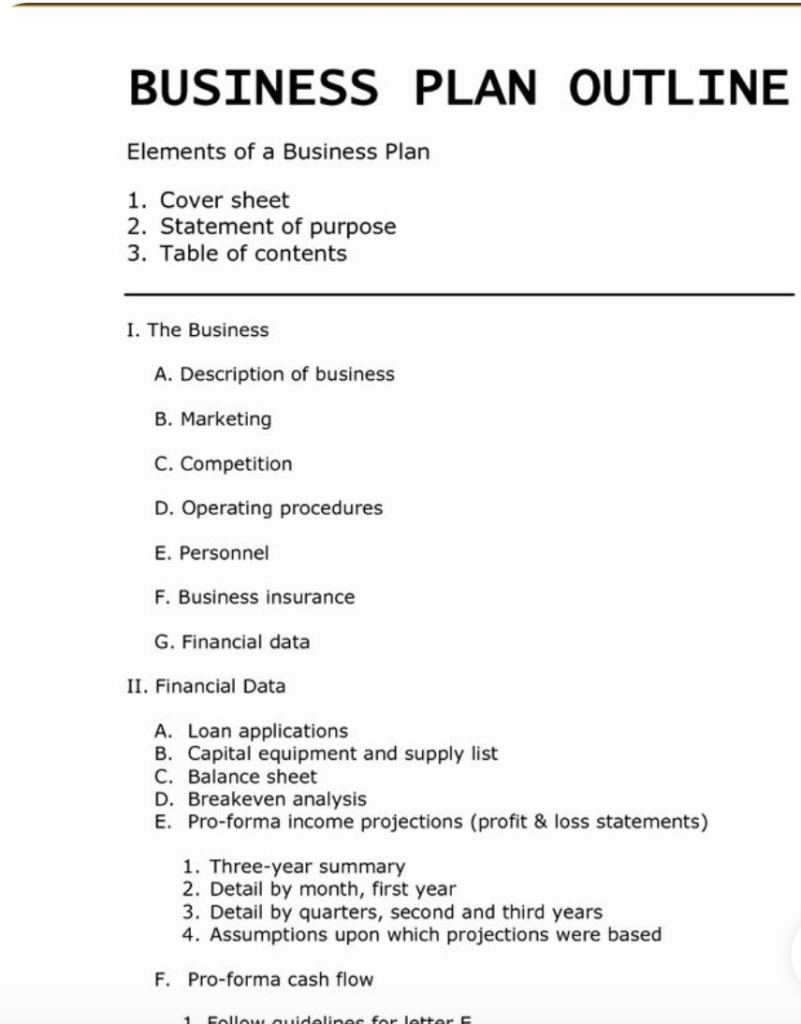
Create a comprehensive business plan for the franchise that includes the goals, tactics, market research, financial forecasts, and expansion strategies. The franchisor as well as prospective franchisees might use this plan as a guide.

This plays a vital role in the franchise registration process because.
  • Business plans assist franchisors define their franchise system vision. It explains the franchise’s goals, mission, and basic values, guiding its growth.
  • The franchise’s expansion plans, competitive positioning, and target markets are all outlined in the business plan.
  • A good business plan estimates franchise system income, expenses, and profitability.
  • A franchisor’s business plan is a means of conveying its goals and objectives to prospective franchisees, investors, and lenders.

3. Seeking legal guidance.

If you need help understanding the rules as well as regulations that pertain to franchising in India, consult with attorneys. To safeguard the franchisor’s intellectual property, make sure the franchise agreement complies with all applicable regulations. Also assist with drafting the agreement, where a lawyer can be of great assistance.

4. Registering your brand.

Get the company’s name, emblem, and also any other copyrights related to India registered with the proper authorities. Legal protection against others’ infringement as well as unauthorised use is provided by this.

5. Developing the necessary training and support infrastructure.

Create resources to help franchisees get their businesses up and running. This includes training programmes. Initial training sessions, continuing support, marketing help, as well as operational advice are all part of what may be provided.

Here is why training and support infrastructure plays a vital role in the franchise registration process.
  • Franchisees are trained to follow the franchisor’s SOPs, branding requirements, and customer service standards.
  • Training helps franchisees manage inventory, staffing, marketing, and finances.
  • Training programmes can help tailor the franchise concept to local market as well as cultural preferences.
  • Effective training and assistance boost franchisee retention.

6. Drafting the Franchise Agreement & FDD [If required].

Create an official franchise agreement that specifies the roles and duties of the franchisor and franchisee. Moreover, important elements must be addressed in this agreement. These include the following:

  • territorial rights;
  • fees; royalties;
  • the length of the agreement;
  • termination provisions;
  • and also methods for resolving disputes.

7. Developing a strategic plan for market entry.

Create a plan to break into the market. This is including

  • where you want to set up shop,
  • what kind of research you want to do,
  • and also how you’ll promote your business to possible franchisees.

Therefore, these are seven crucial steps to keep in mind while you register your business as a franchise in India.

Moreover, you can also reach out to the franchising experts of Sparkleminds for more details on how to go about the franchising process. Don’t wait, call us right away!

Loading

Franchise Advice for first-time franchisors in India – A Complete Guide

Written by Sparkleminds

Your business is running successfully but that’s not enough. You want to grow across the country and decide to franchise it. Well, the thought is good. But we have some franchise advice for you.

For all those first-time franchisors who are just stepping into the world of franchising their business, you can take some useful tips and advice from this blog. This will help you to get started and also to prevent you from any risks down the line.

Useful Franchise Advice For First-Time Franchisors in India

Beginning the process of franchising your business in India can be an endeavour that is both thrilling and demanding. Take into consideration the following important pieces of advice:

Advice #1: Proper understanding of the Indian market before you franchise

There are many different customer tastes and cultural nuances that vary from region to region in India. Hence, making it a diversified market. Learn the ins and outs of the local market, the competition, and customer habits before you invest in a franchise.

Benefits of understanding the market before franchising:

  • Evaluation of the Market’s Suitableness: Gaining familiarity with the Indian market can help you determine if your business idea is viable and will thrive. To assess whether or not there is a demand for your goods or services, you can determine whether or not there are gaps in the market, consumer needs, and the competitive environment.
  • Business Model Customisation: By understanding the Indian market, you can tailor your company model to local tastes, customs, and regulations. Fitting your offerings and processes to Indian tastes boosts your chances of success.
  • Territorial Strategy: Understanding regional consumer behaviour and market factors helps you establish franchise regions. This is to maximise market coverage and minimise cannibalisation. This optimises brand distribution and reach across India.
  • Cultural Awareness and Flexibility: Being sensitive to Indian culture helps with connecting with franchisees and customers there. It builds trust, respect, and understanding between people, all of which are very important for franchisor-franchisee relationships to work and for Indian consumers to accept a brand.

Advice #2: Familiarizing with the legal framework in India

Research the rules and regulations that apply to franchises in India. To make sure you’re following all the rules when it comes to franchise laws, IP rights, taxes, and more, you should talk to lawyers.

Benefits of ensuring legal and regulations compliant:

  • Protection legally: Your firm is protected from litigation and regulatory fines by franchising legislation. It ensures transparent and legal franchising, lowering the possibility of franchisee or regulatory issues.
  • Protects your brand’s reputation: Respecting legal boundaries is an excellent way to build trust and credibility for your business among potential franchisees, consumers, investors, and others. It shows your ethical company practices and regulatory compliance, building brand credibility.
  • Smoother expansion opportunities: Respecting legal boundaries is an excellent way to build trust and credibility for your business among potential franchisees, consumers, investors, and others. It builds brand credibility by showing your ethical business practices and regulatory compliance.
  • Stability of the franchise system: Your franchise system will be more stable and predictable if you operate in line with regulatory requirements. Also you will be less likely to experience disruptions or changes to regulations that could harm your company operations. Gain peace of mind regarding your position with respect to legal compliance, allowing you to concentrate on long-term development and strategy planning.

Advice #3: Prepare a comprehensive Franchise Agreement

Make sure that the franchisor and franchisee understand their respective roles and obligations by creating a detailed and precise franchise agreement. Territory rights, fees, training/support, marketing/operational standards, and other associated things should be included.

Benefits of crafting a perfect franchise agreement include:

  • Clearly outlines the roles and responsibilities of both parties: A well-drafted franchise agreement specifies franchisor and franchisee rights, obligations, and expectations. It simplifies the franchising relationship and also reduces the risk of miscommunication and conflict.
  • Helps to attract the right investors: A detailed franchise agreement helps find suitable franchisees who will follow the franchisor’s guidelines. It lessens the likelihood of franchisee discontent or non-performance by making sure franchise candidates know their rights and responsibilities before getting into the franchise partnership.
  • Franchise agreements are enforceable: A well-written franchise agreement provides legal remedies for breaches by either side. To save time and money, it allows parties to settle their differences by mediation, arbitration, or another agreement-mandated alternative dispute resolution process.
  • Possibilities for replicating the franchise model for future growth: Standardised franchise agreements simplify franchising and help expand into new markets. It lays up the groundwork for bringing the franchise model to other places, standardising operations, branding, and the customer experience.

Advice #4: Selection of the right investors.

Pick franchisees who share your vision for the brand, are eager to take risks, and have what it takes to manage a franchise effectively. Before granting a franchise, make sure you’ve done your homework by checking references and analysing finances.

Benefits of choosing the right franchisees include.

  • Helps in brand alignment: To keep the integrity and consistency of your brand throughout all of your franchise sites, it is important to choose franchisees. These are those who share your vision, beliefs, and culture.
  • Market expertise: Franchisees that are well-versed in the regional market and customer tastes enrich the franchise system with their knowledge and insights.
  • Choose financially stable franchisees: Choose financially sound franchisees with enough funds and resources to reduce financial constraints-related franchise unit failures.
  • Have a commitment to grow: Those who own a franchise and care deeply about seeing it succeed are the ones most inclined to put in the work to establish and expand their own franchise.

Advice #5: Establishing clear channels of communication

To address any issues, handle any disagreements, and also cultivate a sense of cooperation and collaboration with franchisees, there should be communication channels that are open and transparent.

By doing so, it will help in ways such as.

  • Align with your expectations: When there is open and honest communication between the franchisor and also franchisee, everyone is on the same page. This is regarding roles, duties, and expectations. This alignment avoids misunderstandings, conflicts, and disagreements throughout franchising and the franchise relationship.
  • Being transparent: Transparent communication fosters franchisor-franchisee trust and credibility. Promote trust and happiness among franchisees. This is by being transparent about company operations, financial results, marketing tactics, and anything else that’s important to them.
  • Any crisis management: In emergencies, good communication helps respond and handle the situation. The franchisor can quickly send franchisees information, advice, and directions on how to handle the situation, keep problems to a minimum, and look out for the network’s best interests.
  • Ensuring long term bonding: Effective communication helps franchisors and franchisees build long-term relationships. Clear communication builds a mutually advantageous alliance that sustains franchise network growth by promoting trust, transparency, and collaboration.

Advice #6: Prepare a comprehensive training and support program.

Provide franchisees and their employees with thorough training programmes. This is to guarantee that they are well-versed in your company’s model, procedures, products/services, and customer service expectations. Always be there to lend a hand, whether it’s with marketing, operational advice, or just providing access to useful resources.

Training and on going support can help.

  • Ensure consistency in the operating processes: By following a predetermined training, franchisees may be certain that they will learn the ins and outs of running the firm. Also, this will be to the franchisor’s specifications.
  • Success of the franchisee: Franchisees receive training, resources, and assistance to succeed. Franchisors help franchisees manage and profit from their franchise units by sharing business, operational, and industry information.
  • Protecting your brand image: Franchisees learn how to uphold brand integrity and standards through proper training. It mitigates brand damage from variable franchise unit performance.
  • Reduces any risk of failure: They are less likely to fail. This is although they are unprepared or don’t grasp the business strategy if they get enough training. Thorough training helps franchisees overcome obstacles, make educated decisions, and understand the complexity of owning a franchise business.

To conclude,

These are six important franchise advice that franchisors should incorporate when giving a franchise of their business in India. For further information of starting a franchise of your business in India, reach out to Sparkleminds.

Loading

Franchise Banane Ka Sabse Best Tarike – A business owner’s handbook

Written by Sparkleminds

Jab aapka business successful hai toh usko next level pe leke jane ke options soch rahe honge. So why not franchising? Hamare pass franchise banane ka tarika, hum iss blog mein share karne wale hai.

We do hope this can be a helpful guide to every business owner considering franchising as the next option to grow his business in India.

Franchise Banane Ka Best Tarike A business owner’s handbook

Franchise Banane Ka Sabse Best Tarike – Here’s What You Should Know

Those franchisors who are interested in establishing a franchise might do so by focusing on a specific speciality and then following up on it. Moreover, yahan par aap franchise banane ka sabse best tarika dekhenge.

1. Sabse Pehle Apne Business Feasibility aur Market Research zaroori hai:

To begin, we will conduct market research and then determine which business niche is most suitable for our company and how much demand there is for it. There is a lot of opportunity for growth in different places, and it’s good to know how much demand there is for franchises in various businesses.

Market research aur feasibility study apne business ko franchise karne ke liye bahut hi mahatvapurn hai kyun ki.

  • Market researching karke aap pata lagate hain ki aapka business kaunsi niche mein fit hota hai aur usmein kitni demand hai. Yeh aapko yeh samajhne mein madad karta hai ki aapke business ko franchise ke liye kitni demand hogi aur kaunsi regions mein expansion ke liye potential hai.
  • Market research karke aap apne competitors ko samajh sakte hain aur unki strategies ko analyze kar sakte hain. Yeh aapko competitive advantage gain karne mein madad karta hai aur franchise model ko aur behtar banane mein madad karta hai.
  • Yeh research se aap apne target audience ko samajh sakte hain aur unke needs aur preferences ko identify kar sakte hain. Isse aap apne franchise model ko unke according design kar sakte hain aur unhe attract kar sakte hain.
  • Feasibility study karke aap financial viability ko assess kar sakte hain. Aapko pata chalega ki franchise model ke liye kitni investment ki zaroorat hai aur kya return expect kiya ja sakta hai.

2. Business Model Develop karein:

Ek strong aur scalable business model develop karein, jo ki franchisees ko asani se samajh aur implement kar sakein. Yeh model profitable hona chahiye aur franchisees ko long-term success assure karna chahiye.

Business model develop karna apne business ko franchise karne ke liye bahut hi mahatvapurn hai kyun ki.

  • Ek robust business model ke saath, aap apne business ko easily scalable bana sakte hain. Scalable business model ka matlab hai ki aap apne operations ko multiple locations mein expand kar sakte hain aur franchisees ko bhi yeh model asani se implement kar sakte hain.
  • A well-defined business model franchisees ko ek consistent framework provide karta hai jise follow karke woh apne operations ko smoothly run kar sakte hain. Yeh consistency franchise brand ke reputation aur customer satisfaction ko maintain karne mein madad karta hai.
  • Ek accha business model ko easily replicate kiya ja sakta hai multiple locations mein. Jab aap apne business ko franchise ke liye tayar karte hain, toh yeh model franchisees ko provide kiya jata hai jo unhe ek proven aur successful blueprint deta hai apne business ko establish karne ke liye.
  • A strong business model financial viability ko demonstrate karta hai. Ismein aapke revenue streams, cost structures, aur profit margins clearly define hote hain jo franchisees ko ek clear picture provide karte hain ki unhe kya expect karna chahiye aur kaise apne business ko financially manage karna chahiye.

3. Brand Identity Build kare:

Apne brand ka strong identity banaye, jismein logo, tagline, aur marketing materials shamil hote hain. Aapki brand ki identity ko unique aur recognizable banana bahut zaroori hai.

Brand identity build karna apne business ko franchise karne ke liye bahut hi mahatvapurn hai kyun ki:

  • Ek strong brand identity franchisees ko ek recognizable aur distinguished brand provide karta hai. Jab aap ek strong brand identity build karte hain, toh log aapke brand ko pehchanne aur yaad rakhne mein asani se saksham hote hain.
  • Brand identity franchise network ke andar consistency maintain karne mein madad karta hai. Jab franchisees ek consistent brand identity ka use karte hain, toh unke customers ko ek unified brand experience milta hai, jisse brand ki integrity aur credibility maintain hoti hai.
  • Potential franchisees ko attract karne mein madad karta hai. Potential franchisees ko ek established aur recognizable brand ke saath judne ka confidence milta hai, jisse unhe franchise ke liye interest badhta hai.
  • Ek unique aur recognizable brand identity aapko competitors se alag banata hai. Yeh aapko market mein ek competitive advantage provide karta hai aur aapke franchise network ko attract karne mein madad karta hai.

4. Franchising Documentation aur Legally Compliance:

Sabhi legal formalities aur documentation ko puri tarah se tai karein. Franchise agreement, terms & conditions, operations manual, aur other legal documents ko ek experienced legal professional ke dwara tay karein. Yeh documents franchise relationship ke rights, obligations, aur responsibilities ko define karte hain.

Legal compliance aur documentation apne business ko franchise karne ka tarika isliye mahatvapurn hai kyun ki:

  • Legal compliance aur documentation aapke business ko legal protection provide karta hai. Franchise agreement, terms & conditions, aur other legal documents franchisees ke rights, obligations, aur responsibilities ko define karte hain, jisse future disputes aur legal issues se bacha ja sakta hai.
  • Legal documentation franchisees ko ek clear aur transparent picture provide karta hai franchise relationship ke terms aur conditions ke baare mein. Isse franchisees ko pata hota hai ki unhe kya expect karna chahiye aur kya unke rights aur responsibilities hain.
  • Yeh aapke business ko risk management mein madad karta hai. Yeh aapko legal liabilities se bachane aur legal obligations ko fulfill karne mein madad karta hai, jisse aapke business ko legal issues se bachane mein madad milti hai.
  • Yeh ensure karta hai. Franchise agreement aur other legal documents mein regulatory requirements ko include kiya jata hai jisse aapke business ko applicable laws aur regulations ke according operate karne mein madad milti hai.

5. Sahi Franchisee Recrruitment mein madad karta hai.

Dhyan se franchisees ko select karein jo aapke business ke values ko samajhte hain aur unhe implement kar sakte hain. Aapki franchise network ke liye passionate aur committed franchisees select karna bahut zaroori hai. Recruitment process ko streamline karein aur franchisee ke selection criteria ko clearly define karein.

Yeh franchise banane ka tarika isliye zaroori hai.

  • Iss ke through aap apne brand ko represent karne wale individuals ko choose kar sakte hain. Yeh franchisees aapke brand ke ambassadors hote hain aur unka behavior, values, aur professionalism aapke brand ki reputation ko directly influence karte hain.
  • Sahi franchisee selection se aap apne business ke liye passionate aur competent individuals ko choose kar sakte hain. Yeh franchisees aapke business ke operations ko effectively manage kar sakte hain. Moreover, brand ki standards aur quality maintain kar sakte hain.
  • Aap individuals ko choose kar sakte hain jo aapke brand ke values aur vision ke saath align hain. Yeh franchisees aapke business ke long-term success ke liye committed hote hain. Moreover, brand ki growth aur development mein sahyog karte hain.
  • Iss process se aap apne franchise network ko sustainable growth aur expansion ke liye taiyar kar sakte hain. Jab aap passionate aur qualified individuals ko select karte hain, toh aapke franchise network mein growth potential and also consistency badhti hai.

6. Training Program Develop karein:

Ek comprehensive training program develop karein jo franchisees ko aapke business model, operations, aur brand values ke baare mein sikhaye. Training program ko regularly update karte rahein aur new technologies aur best practices ko incorporate karein.

Yeh develop karne se.

  • Franchisees ko brand ke operations, processes, aur standards ko samajhne aur implement karne mein madad karta hai. Isse franchisees ke operations mein consistency maintain hoti hai, jisse brand ki reputation aur customer satisfaction maintain hoti hai.
  • Sahi training program franchisees ko aapke business model aur processes ko effectively implement karne ki capability provide karta hai. Isse unhe ek clear roadmap milta hai apne operations ko kaise manage karna hai. And also kaise brand ke standards ko maintain karna hai.
  • Training program franchisees ko aapke brand ke values, culture, aur vision ko samajhne mein madad karta hai. Yeh unhe brand ki identity ko sahi tareeke se represent karne and also brand ki core values ko maintain karne mein madad karta hai.
  • Franchisees ko market trends, customer preferences, aur industry changes ke baare mein update karta hai. Isse franchisees apne business ko adapt kar sakte hain changing market conditions aur competition ke saath pace maintain kar sakte hain.

7. Promotion aur marketing strategies.

Apne franchise opportunity ko promote karne ke liye effective marketing aur promotion strategies ka istemal karein. National aur local level advertising, social media marketing, PR campaigns, aur participation in industry events ko shamil karein.

8. Robust support system establish karen.

Ek robust support system establish karein franchisees ke liye. Ismein include karein marketing support, operational support, technical support, aur ongoing training opportunities. Franchisees ko regular feedback aur guidance provide karein.

9. Long-term expansion plan ki tayari kare.

Ek systematic launch aur expansion plan develop karein franchise network ko launch karne ke liye. Ismein include karein franchisee recruitment, training, marketing campaigns, aur grand opening events. Yeh bahut zaroori hai franchise banane ke liye.

Toh kya aapko yeh franchise banane ka tarika pasand aaya?

Agar aap apne business ko franchise banana chahte hai, toh Sparkleminds ke experts ki rai lena behtar rahega.

Loading

Importance of a Franchise Operations Manual for The Franchisor in India

Written by Sparkleminds

Did you know that all parties involved—the franchisor, the franchisee, and the brand itself—stand to benefit from the many functions performed by the Franchise Operations Manual? Well, yes that is true. And that is what our blog is all about today.

If you are an experienced franchisor or a first-time franchisor in India, a franchise operations manual plays a vital role. This is when it comes to expanding your business not only in India but globally as well.

We will take you into the insights why this is a vital document. Also, we will help you understand how you can build one and what its purpose is for you.

Importance of a Franchise Operations Manual for the Franchisor

What purpose does a Franchise Operations Manual Serve For The Franchisor?

Some of a franchise manual’s primary functions are as follows:

  1. Implementation of Standards: Businesses often look to franchises to grow their business. This is so, without compromising the quality and consistency that consumers have come to expect from their brand.
  2. Training Instrument: Franchisees and their employees can use the guidebook as their primary source of training resources. It lays out the ins and outs of running the franchise. This is so new owners know exactly what they’re doing right from the start.
  3. Reference Manual: Questions and clarifications may still arise for franchisees and their staff even after the initial training. In addition to providing solutions and direction on a variety of operational aspects, this book serves as a ready reference.
  4. Maintaining the Integrity of the Brand: Logo usage, marketing collateral, and advertising strategies are all defined in the guidebook. Moreover, this is part of the brand identity requirements.
  5. Safeguarding Your Legal Interests: If there is a disagreement, it can be used as a point of reference. Moreover, if a franchisee disregards the standards or procedures that have been agreed upon, the franchisor has the ability to refer to the manual in order to draw attention to any inconsistencies.
  6. Efficiency and the Most Effective Methods: To ensure that franchisees can reap the benefits of the franchisor’s knowledge and expertise, the manual compiles the successful business practices.
  7. Specifying What You Expect: It lays forth the standards for the franchisee to follow like operations, service, and quality. This helps to establish the appropriate expectations, which in turn helps to prevent misunderstandings in the future.
  8. Providing Assistance with Updates: The preferences of consumers, as well as industries and technologies, are always evolving. To make sure that all franchise sites adjust uniformly to new best practices, a franchisor might update the manual.
  9. Adherence to Regulations and Compliance: To help franchisees remain compliant and avoid certain legal traps, the manual might offer instructions on how to follow local, state, or federal regulations.
  10. Strengthening One’s Confidence: The inclusion of a comprehensive operations handbook might be reassuring for prospective franchisees as well as new franchise opportunities.

To sum up, central to maintaining consistent and efficient franchise operations, protecting franchisees’ rights to the brand, and laying the groundwork for expanding the business model to other areas is the Franchise Operations Manual.

When it comes to the franchisor and franchisees, it will help to ensure that consumers receive consistently good service, which will only serve to strengthen the overall reputation of the business. It will also promote best practices and help to ensure that customers receive good service.

Why Every Franchisor Should Have A Franchise Operations Manual Before Franchising in India?

All franchise units are expected to consistently and efficiently operate according to the guidelines laid out in the Franchise Operations Manual, which is a systemic document.

Several significant points can be used to illustrate its significance, including the following:

  1. Success in franchising depends on product or service consistency between locations. According to the operations manual, every franchisee must understand and follow the standards to give clients a uniform experience at every franchise store.
  2. The operations manual needs revision as the business changes, but its core remains intact. So all franchises can benefit from the newest best practices, technical developments, or market insights.
  3. A franchise system needs a clear path to success to attract new franchisees. As proof of the franchisor’s dedication to franchisee success, a well-organized operations handbook can inspire them.
  4. The guidebook can help resolve franchisor-franchisee disagreements. It defines operating norms and methods agreed upon.
  5. Franchisees can learn from the franchisor’s experience and avoid common mistakes by using the guidebook. This improves efficiency and success.
  6. Even after first training, franchisees or staff may be unsure of a method or recommended practice. The operations manual is a constant reference for questions and guidance.

To summarise, the Franchise Operations Manual is essential because it encapsulates the business model of the franchisor, which ensures the effective replication of that model across numerous locations in a standardised manner. All of the franchisees in the network can look to it as a safety net and a roadmap for success.

Key Elements Of A Franchise Operations Manual in India

In a Franchise Operations Manual, the franchisor lays out all of the procedures, protocols, and secret sauce that the franchisee can use to run their own business. Provided to franchisees upon signing the franchise agreement, it is a crucial part of the franchising package.

By following the guidelines laid out in the guidebook, franchisees may be certain that their companies will always reflect well on the brand.

While the following items are not necessarily in every franchise operations manual, they are essential:

  1. A synopsis of the brand’s origins, purpose, and guiding principles
  2. Specifications for the location, design, and signage of the franchise, as well as other related matters
  3. Extensive details regarding the franchise’s goods and services, including any special processes or procedures
  4. Operational direction on a daily basis, including opening and closing processes and how to deal with consumer concerns.
  5. Advertising guidelines, logo usage, and promotional tactics that adhere to established brand standards.
  6. Details on both the initial and continuing education of staff members
  7. Rules for handling money, including how to keep records and file reports
  8. Important criteria include in terms of hygiene, customer service, product/service quality, etc.
  9. Instructions for operating any franchise-owned software or systems
  10. Data pertaining to human resources issues such as recruiting, induction, and performance reviews
  11. A summary of the rules and regulations the franchisor puts in place and that the franchisee intends to follow

Also Read: Important steps to write a perfect franchise operations manual in India

To conclude,

Franchisees need to maintain the manual’s secrecy. Moreover it is a proprietary document. Furthermore, as the franchisor’s business tactics change over time, they may update it to make sure that all franchises are still following the company’s vision and using the best practices for operations.

Moreover, you can also connect with our team of experts at Sparkleminds to know how we can help you prepare yours right away.

Loading