Franchising is a simple way to grow a business, right? You’ve probably heard this comment more than once as you’ve gone through your business plans for expansion in India. But any business owner will tell you that franchising is not a walk in the park.
Franchising your business and building a network of franchises is not for people who are afraid of hard work. It takes a clear plan, strength, the ability to think creatively, and a lot of persistence and grit.
Most business owners will be the first to confess they made some blunders along the way, and a smart franchisor will always be looking for ways to improve their franchise system by incorporating feedback from franchisees, consumers, and others.
To be successful, a brand needs to get the basics right from the start. Focus on these 4 R’s of franchising, and no matter what comes next, you’ll be putting your best foot forward on the road to franchising success.
Franchising Your Business in India Is Incomplete without these Crucial R’s
If you’re looking to grow your company’s consumer base and brand recognition in India, franchising may be the way to go.
Here are a few fundamentals of franchise success that might help you achieve your goals.
1. Research
Learn where in India your product or service is needed most by conducting extensive market research. Determine the regulatory climate, target demographics, and prospective competitors.
2. Refining
Change your business plan and how you do business so that they work well in India. Think about what people in the area want, how sensitive their culture is, and what changes might be needed to meet their demands.
3. Resources
Give your potential investors full training and help on an ongoing basis. Make sure they can get the things they need, like marketing tools, how-to guides, and a strong support system.
4. Regulations
To run a business in India, you must follow all the laws and rules. Learn the rules about franchising and take the steps you need to set up and run franchises legally.
5. Renewal
Always look at and update your franchise plan to keep up with how the market and customer tastes are changing. Stay flexible and ready to change so you can take on new challenges.
6. Reputation
Keep the quality of all your franchise sites the same to protect and build the reputation of your brand. The success of your business structure depends on how happy your customers are and how much they love your brand.
7. Relationship
Build a strong connection with your franchisees by trusting them, being honest with them, and openly talking to them. Talk to them often to address their worries, give them advice, and share best practices.
8. Returns on Investment
Set clear standards for both you and your franchisees in terms of money. Make sure that your franchise plan gives your franchise partners a good return on their investment.
9. Recruitment
Find the right franchisees who believe in the same things as your brand and have the skills, experience, and money to run a successful business. Interviews and security checks should be thorough.
10. Regional focus
Different parts of India have different cultures, languages, and economies. To maximize your franchise’s success in other markets, you need to adapt your strategy to fit local conditions.
Remember that franchising needs careful planning and performance in every country. So, it’s a good idea to talk to lawyers and business consultants who have experience with franchising for assistance.
Now that you have considered the crucial R’s of franchising your business in India, you can now start to turn your business into a franchise right away!
Turn Your Business Into A Franchise Right Away!
In India, turning your business into a franchise can be a smart way to increase your brand’s visibility and reach more customers.
Here is an illustrated guide of what to do.
Evaluate the franchise-ability of your business – Figure out if your business can be franchised. Think about things like a unique idea that can be scaled up, a track record of success, making money, and being able to do the same thing in different places.
Draft a business plan for the franchise – Make a detailed business plan for the franchise model. Include information about the franchise fee, how royalties work, training and support, marketing strategies, and financial forecasts.
Understand the legalities of franchising in India – Learn about the legal rules and standards for franchising in India. Talk to lawyers about how to write the required franchise agreements, disclosure papers, and other legal contracts.
Prepare detailed SOPs – Make thorough SOPs that cover every part of how your business works. These SOPs will be very important for keeping all franchise sites uniform and high-quality.
Determine all the fees that would be charged to the potential investors – Find out how much the initial franchise fee will be and how much the regular royalty fees will be. Make sure the fees are fair and in line with what the business usually charges.
Maintain Brand Consistency – Make sure that all the parties follow your established standards and SOPs to protect and keep up the reputation of your business.
Search for Potential leads – Start looking for possible investors through ads, franchise expos, and networking events, among other things. To find the right partners, you need to do thorough conversations and background checks.
Constant Innovation and Improvement – Review and update your franchise system often based on what your partners tell you and how the market is changing to make sure your business keeps growing and succeeding.
Prepare marketing strategies – Make marketing materials that show potential investors what’s good about your franchise opportunity. Focus on the success of your pilot locations, the training and help you gave, and the return on investment you could get.
Don’t forget that franchising needs careful planning, following the law, and ongoing assistance. You can also help turn your business into a great franchise in India by getting advice from franchise consultants or business advisors who have done it before.
Key Takeaways- Franchising Your Business in India
There are many benefits to franchising your business in India, and it can be a key part of its growth and success. Here are a few of the most important reasons why franchising is important in India.
Through franchising, you can grow your business quickly and at a low cost. You can have a footprint in multiple places without putting up a lot of money by using the resources and work of individual investors.
Gives you knowledge of local market expertise, which helps you make sure that your business plans and products are right for that area.
As a franchisor, you can grow your business without having to pay for the costs of setting up and running each new location.
Franchising can help you grow in places where it might be hard to set up a business because of differences in logistics or culture.
Through franchise fees and ongoing royalties, franchising gives you more ways to make money, which helps your business make money overall.
Therefore, franchising your business in India can be a smart way to grow because it can help you grow quickly, build brand recognition, share risks, and get access to local knowledge.
FAQs
Q.1. How to grow your business in India?
To grow your business in India, you need a well-thought-out plan and deep knowledge of the Indian market. From conducting proper market research to understanding the local requirements, adjusting your business model accordingly, and building strong alliances, there are many steps to franchising your business in India successfully.
Q.2. When is the right time to franchise a business in India?
A crucial issue that needs careful deliberation is when to franchise your business in India. Key factors like the success of your business model, its replicability, and the USP that would attract investors to help your brand expand are just a few of the requirements when considering franchising a business in India.
Q.3. What factors have led to the rise of franchising a business in India?
India’s thriving economy, expanding consumer middle class, welcoming business climate, and penchant for well-known brands have all contributed to the emergence of franchising as a viable method of business expansion in the country.
To Conclude,
Becoming a franchisor is a major step to take if you feel your years of expertise have gone smoothly and your business has established itself successfully. One viable strategy for broadening your brand’s reach and generating additional cash is franchising.
Because buying into a franchise might be a quicker and safer route to business ownership, it attracts a steady stream of would-be business owners.
If you are one of those successful business owners, looking for ways to expand your business in India and are ready to invest your time into franchising your business in India, Sparkleminds can be a great help to you. Contact us right away!
An Exit Strategy – a crucial element of every franchise agreement? As a business owner looking to expand your business in India, I’m sure you would have heard this term from legal attorneys about why it is advisable to include it as a part of the franchise agreement.
This blog will give you insights into the exit strategy clause, its importance, and more.
Exit Strategy – How Business Owners can include it while franchising a business in India
Business owners who want to franchise their business in India need to have a plan for how to leave the business. It not only gives you a project but also makes sure that the franchise system will continue to be successful and grow while guarding the value you’ve built into your business.
Even though the primary goal of franchising is to grow and expand the business, it is also important to have a clear plan for how to leave the business.
Here are some reasons why business owners who want to franchise their business in India must have an exit plan.
1. Retirement or Transition
As a business owner, you may want to quit or move on to other things for your own reasons. An exit strategy helps you plan and carry out a smooth way to leave your business while making sure it stays in business through partners.
2. Helps capitalize on business value
An established franchise network may appeal to buyers or investors. By selling the master franchise rights or the whole franchise system, you may take advantage of the value you have built in your company over the years by having an exit strategy.
3. Contingency Planning
Even though franchising is a tried-and-true way to run a business, external forces or changes in the market can affect the success of individual franchise units or the system. With an exit strategy, you can have a backup plan in place in case the franchise model runs into problems you didn’t expect.
4. Essential in Strategic Decision Making
When you’re deciding what to do during the franchise growth phase, it can help to know that there are plans for an exit in the future. It motivates you to set clear goals and make strategic decisions that will increase the value of the franchise system.
5. Helps protect your business legacy
You’ve worked hard to build your business, and an exit plan lets you protect the reputation and legacy of your brand. By choosing the right franchisees and partners, you can make sure that your business does well even after you leave.
6. Ensures Legal & Financial Compliances
Complex legal and financial issues go into franchising. You may successfully negotiate these complexities and ensure compliance with pertinent rules and regulations by having an exit strategy in place.
7. Helps minimize the risks
By franchising, you allow others to use your brand, intellectual property, and business strategy. By laying out the processes to handle anticipated problems or difficulties, an exit strategy can help you reduce the risks of franchising.
8. Enhances the credibility of your business
Prospective investors are more likely to invest in a business with a clear exit strategy because it shows that the franchisor has a well-thought-out plan for the long-term success of the franchise system.
Nevertheless, depending on the franchise agreement and the discussions between the franchisor and the franchisee in India, an exit plan may or may not be included as a specific section in the franchise agreement.
Why Including a Franchise Exit Strategy in the Franchise Agreement can be beneficial for the Franchisor & the Potential investor
Even if the franchise agreement doesn’t have a separate part called “Exit Strategy,” it may have rules about how the agreement will end or expire. These parts could say when and how either party can end the deal, how long they must give notice, and whether they have to pay anything.
Including specific terms about how to leave the franchise can be suitable for both parties.
Some things that a clause about an exit plan might cover are:
Termination or Renewal of agreement – Clearly stating the reasons why the agreement can be ended, how long notice is needed, and whether the agreement can be renewed or extended.
Transfer of ownership – Describes the conditions under which the franchisee can sell or give the franchise unit to someone else if the business owner agrees.
Non-compete clause – Including any restrictions on the other parties’ ability to work in the same field after the agreement ends or is no longer valid.
Rights protecting the Intellectual property – Describes how trademarks, copyrights, and other intellectual property rights will be handled after the franchise deal is over.
Any buy-back terms by the franchisor – The buyback terms can be part of the exit plan if the franchisor is willing to buy the franchise unit back from the other entity under certain conditions.
Nevertheless, before signing the agreement, both the franchisor and the partner must talk about and negotiate these points in depth. Having a well-thought-out exit plan protects the interests of both parties and can help prevent future disagreements or uncertainty.
Steps to Create a Comprehensive Exit Plan – The Complete Guide
Putting together an exit plan for a business in India takes careful thought and planning.
Here are the steps a business owner can take to make a well-thought-out exit plan.
1. Clearly defining timelines and objectives of the exit plan
Start by writing down what you want to get out of the exit. You need to decide if you want to sell the business, give it to a family member, or leave the business gradually. Set a date for when you will leave, considering your age, your financial goals, and the state of the market.
2. Realistically evaluate the value of your business
Find out how much your business is worth by having it appraised. Experts or consultants in business valuation can help you figure out what the company’s assets, liabilities, and growth prospects are.
3. Review any legal or financial matters
Review all contracts, agreements, leases, tax records, and other legal and financial papers that have to do with the business. Take care of any legal problems that are still open and make sure you are following all laws and rules.
4. Formalize your exit plan
Make a written exit plan that includes all the details of your chosen exit strategy, such as the timeline, possible buyers or successors, valuation, and any steps that need to be taken.
5. Take the help of professional advisers
Consult professionals that have handled business exits in the legal, financial, and tax fields. They may safeguard your interests, assist you in navigating the procedure’s intricacies, and make sure all legal requirements are met.
Once the exit plan is set, do what you need to do to put it into action. Stay in close contact with your experts and talk to them clearly throughout the process.
Don’t forget that every business is different, and the owner’s exit plan should be made to fit his or her own needs and goals. It is important to keep the exit plan up to date as business situations and personal goals change over time.
Business Exit Planning – Its Importance in Business Expansion in India
Business exit planning is a planned process that helps a business owner prepare for and make a smooth exit from their company. It means making a detailed plan for how the owner will leave the business, whether through a sale, merger, transfer, or some other method.
The goal of exit planning is to make sure that the business is worth as much as possible, that possible risks are kept to a minimum, and that the owner and the business’s stakeholders have a smooth transfer.
Exit planning is just as important as other parts of a business strategy when it comes to growing business in India.
Here’s why.
When exit planning is part of a business’s growth plan, it pushes the business owner to think about the company’s future. It encourages them to make clear goals, come up with plans for steady growth, and build value that can be used when it’s time to sell.
Having a well-thought-out plan for getting out can give investors more trust. An exit plan shows possible investors where the business is going and shows that it is being run with an end goal in mind.
If you want to grow your business through franchising, having a plan for how to leave the business can make it more appealing to possible partners. It shows that the parent company has a clear plan and cares about how well the partnership does in the long run.
When you grow, you take on more risks, which can be lessened with an exit plan.
Planning for an exit means figuring out how much the business is worth now and where it can grow and get better.
This process can help find and fix any problems or risks that could affect the value of the business or the process of leaving it.
Plans to grow a business can change over time for many reasons. A good exit plan gives you the freedom and adaptability to change your exit strategy as your business and the market change.
In India, a complete plan for growing a business needs to include planning for how to leave the business. It not only makes the business more valuable and appealing to possible investors, partners, or buyers, but it also helps the owner manage risks and make a smooth move when it’s time to leave the business.
To Conclude,
As a business owner, one of your main goals is to make your franchise profitable and cut down on losses. Having a franchise exit strategy (or “exit plan”) can help you do this. Traders and investors can improve their trading by keeping their emotions in check and lowering risk with the help of exit plans and other money management techniques. Contact us at Sparkleminds for any assistance on how to grow your brand in the right way, anywhere in India
Wondering how the success of your business and having a perfect business plan are interlinked? Well, it won’t be wrong to say that without a plan, even the best company can go off the rails. To set yourself up for success, you need to set goals, make steps, and have a plan.
In this blog, you as a business owner will know more about the crucial elements to be included in a business plan in India, the benefits of a business plan for growing your business successfully, and others.
10 Key Elements Every Business Plan Must Have in India
Making a franchise business plan doesn’t have to be difficult, but it is crucial that it addresses certain vital factors. Some important elements every business owner should address in their franchise business plan, are listed below.
1. History & Core Activities of Your Business
This is a very important part of every business plan because it will define the business framework, company background, mission of the company and who is the target audience.
2. Assessment of the Business’s Key Strengths and Weaknesses
What is the USP (unique selling proposition) of the brand, and what makes people want to buy its goods or services? How are market trends and customer buying habits changing, and how could this affect the franchise and what it has to offer, either positively or negatively?
3. Market Analysis
A thorough analysis of the market will determine who the target audience is, understanding more about the business, the latest industry trends, customer requirements, and possible ways of growing your business.
4. Sales & Marketing Strategies
How will you attract the right audience, how will you be promoting your products and services so as to attract the right investors, all these factors need to be laid out in the business plan.
5. Financial Forecasting
Including a detailed financial projection for the next 3–5 years, such as sales forecasts, estimated costs, and expected profits. This part should also talk about how much money is needed for growth.
6. Risk Analysis
Lay out the possible risk and challenges that could come across and a countermeasure of how it could be mitigated. This will help the potential investors understand what he is investing in.
7. Funding Requirement
For any business to grow, it requires a funding proposition. So laying out the requirement is important in a business plan, which will state how much is required and how will it be utilized.
8. Legal Terms & Conditions
Make sure that your business plan takes into account any regulations or laws that apply to your company. Being up to date with the legal framework helps the business grow smoothly.
9. Exit Strategy (If Any)
This is not a mandatory requirement but if laid out, it will give potential investors a long-term vision of the business.
10. Growth Strategy Plan
Laying out a strategic plan which defines how you intend to grow your business in India is very important. This pointer should include a step-by-step description of how the business is looking for long-term growth.
Keep in mind that your business plan is an ever-evolving document that requires constant attention. It’s a must-have resource for drawing in investors, getting financing, and making strategic business decisions in India.
Benefits of a Business Plan for Growing Your Business in India
In order to expand your business in India, a well-thought-out business plan is crucial. It’s like a road map that shows you exactly where you need to travel to get where you want to go.
Some of the most important reasons why businesses in India should have a business strategy are listed below.
Clear vision & direction for the business – A business plan helps you set clear goals for your business and shows you the steps you need to take to get there. It tells you what to do and makes sure that everyone in the organization is working towards the same goals.
Helps identify Challenges & Opportunities – A business plan helps you find growth possibilities as well as obstacles in the Indian market through study and analysis of the market. This lets you make smart decisions and adjust your plans properly.
Attracts Potential Investors – When looking for outside funding or investors, a well-written business plan gives possible stakeholders confidence. It shows what your business can do, how it can grow, and whether or not your ideas are good. This increases your chances of getting funds.
Helps streamline Resource Allocation – A well-thought-out business strategy will help you use your resources wisely. Investing resources like money, time, and people where they will have the greatest impact on the company’s success is essential.
Best tool for Decision-Making – A company’s future can be profoundly affected by the choices it makes during its growing phase. You can use the business plan as a guide to help you make decisions that are in line with your predetermined strategy and goals.
Measures your growth rate – To monitor development over time, it’s helpful to have concrete long-term targets laid out in the business plan. You may then use this data to evaluate the efficacy of your growth strategies and fine-tune them as needed.
Helps Develop Risk Management Strategies – Risk management techniques can be established with the help of business plans by identifying and assessing potential threats and obstacles. It helps you be ready for the unexpected and minimizes the blow to the business.
Sustainability of your business – A business plan that has been carefully crafted will think ahead. It is geared toward laying the groundwork for sustained growth and success in the Indian market for your business.
Business Plan Examples in India
While it is advised that most businesses have a business plan, this may not be the case for very casual or small businesses. A business plan’s significance might shift based on factors like the business’s size, industry, and main goals.
Here are some examples of new business plan formats in India.
1. Business Plan Format for Service Business
2. Business Plan Template for Small Businesses
Scenarios Where a Business Plan Becomes Extremely Crucial in India
Here are some common scenarios where a business plan stands as a crucial document in India.
While Seeking Funding or Looking for Potential Investors – A well-organized business plan is required if a company wants to attract investors or obtain financing from financial institutions. A well-thought-out strategy is essential for attracting investors and securing financing.
Expansion of Business – Business expansion or diversification into new product lines or target markets in India necessitates careful planning. It’s useful for weighing the benefits and drawbacks of the growth plan.
Growth Management & Upscaling – Having a well-thought-out business plan in place is crucial for any Indian company that wants to expand and scale successfully.
Exit Planning Strategies – Having a well-thought-out business plan in place can help ensure a seamless transition when an owner decides to sell or retire from their business.
Long-Term Sustainability – Establishing long-term objectives, monitoring performance, and responding to market or industry shifts are all made easier with a well-thought-out company plan.
Decision Making – A business strategy is a useful tool in making long-term, calculated choices. It gives a structure for analyzing various expansion options, weighing their pros and cons, and selecting the best course of action.
In short, having even a simple plan or written approach will help you stay focused and on track.
Key Takeaways – Here’s how you can use a Business Plan for Business Expansion in India
A solid business plan is important for a businessperson who wants to grow their business so they can make good choices and avoid costly mistakes. A well-made plan can help define goals, point out possible problems, and list the steps that need to be taken to reach success.
Here are some important takeaways.
Helps you identify your key target market.
Keeps you more mindful & conservative about the changing economy.
Helps you determine which is the ideal market that could be a benefit for your business.
While you consider expanding your business in India, a business plan involves a SWOT analysis, therefore highlighting key areas where expansion is possible.
Helps in forecasting the short and long-term goals of your business.
Ensures your business includes a future market analysis which gives your investors the ability to understand the expansion rate of the business.
FAQs
Q.1. Is making a business plan necessary for expanding your business in India?
Yes, you need to make a business plan if you want to grow your business in India or anywhere else. A well-thought-out business plan is like a map that shows your goals, strategies, and specific steps to grow your business. It gives you direction and clarity, which helps you make smart choices and deal with possible problems.
Q.2. what is a business plan PDF in India?
A business plan is a written record that explains the business idea and all the internal and external factors that need to be considered when starting a new business. It talks about the business possibilities, what they are, and how they will be taken advantage of.
To Conclude,
While a business plan is essential for certain businesses in India, others may get by without one. However, it is typically recommended that startups and enterprises seeking expansion, finance, or strategic decisions have a well-thought-out plan.
To get the right guidance on a perfect business plan for your company, reach out to our experts at Sparkleminds.
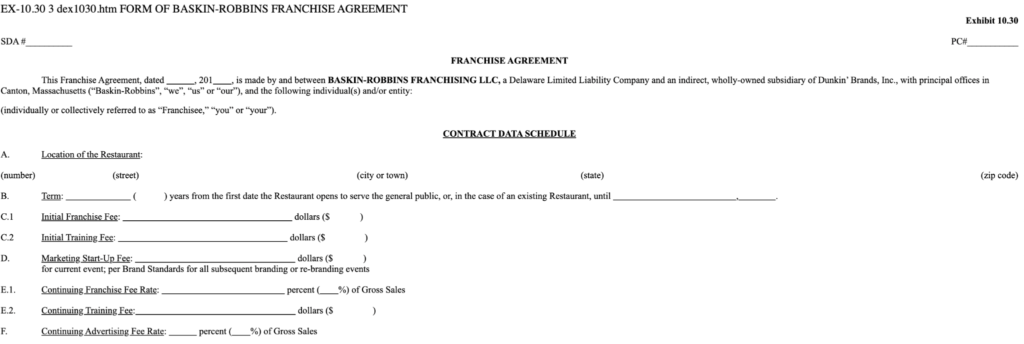
Franchise Agreement in India – A term you would have encountered several times when you plan to grow your business in India via the franchising model. Is that right? Well, yes. When you use franchising to grow your business in India, you need a franchise agreement.
It defends the interests of both the franchisor and the franchisee, ensures that the brand stays consistent, helps the business grow and expand, and ensures that all legal requirements are met. It is an essential contract that sets the groundwork for a successful and mutually beneficial relationship between the franchisor and the other entity.
Like in every business, a company looking to expand its presence in India needs to draft a franchise agreement to avoid any miscommunication or disputes later in the business.
Therefore, there are certain crucial clauses that need to be included while drafting the same. Our blog will give you insights into the important terms and conditions of a franchise agreement, why the need for a franchise agreement, and more.
Crucial Elements of a Perfect Franchise Agreement Format in India
When preparing a franchise agreement in India, it’s important to think about the different terms which outline the rights, responsibilities, and obligations of both the franchisor and the prospective buyer.
Crucial terms to consider.
1. Franchise Grant
Make sure the other entity knows exactly what rights they have, such as the right to use trademarks, trade names, logos, and other intellectual property that belongs to the company.
2. Territory
Define the exact area in which they have the right to run the business, either exclusively or not.
3. Agreement Term & Renewal Clause
Find out how long the franchise deal will last and how it can be renewed or terminated. Include notice dates and any renewal fees that may be needed.
4. Franchise Fees
Details about the initial fee, ongoing royalties, advertising fees, and any other financial responsibilities. Tell me when and how I should pay these fees.
5. Standard of Operations
Set the standards for quality, look, and how the business is run that the franchisee must follow. This could include details about goods, services, equipment, signs, uniforms, and marketing materials.
6. Training & Support
Give details about the training programs and ongoing support that the franchisor offers to the franchisee, such as initial training, refresher classes, and help with operations, marketing, and training staff.
7. IPs
Make it clear which trademarks, patents, copyrights, trade secrets, and other intellectual property belong to the company. Include rules that will protect and keep the brand’s identity.
8. Non-Disclosure & Non-Compete
Include clauses that stop the other entity from running a competing business while the agreement is in effect and limit how confidential information can be shared.
9. Termination and Dispute Resolution Clause
Set out the conditions under which either side can end the contract, and explain how disagreements will be settled, such as through mediation or arbitration.
10. Marketing & Advertising Support
Define what the other party needs to do for local advertising and marketing, as well as what he or she needs to do for national or regional marketing projects.
11. Insurance & Indemnification Clause
Explain what kind of protection the franchisee needs, such as liability, property, and workers’ compensation. Make sure both sides know what they need to do to protect themselves.
12. Agreement & Amendment Clause
Include a clause that says the franchise agreement is the only deal between the parties and that any changes must be in writing and signed by both parties.
13. Legal Clause
Find out what law applies to the agreement and where disagreements are usually settled, which is usually in the courts of a certain city or state in India.
14. Rights to Transfer
Set out the steps and conditions for moving or assigning the franchise agreement to someone else, making sure that the franchisor’s approval is needed.
15. Audit & Inspection Clause
Indicate that the franchisor has the right to check the franchisee’s location, books, records, and activities to make sure they are following the agreement.
Nevertheless, it’s important to talk to a counselor who specializes in franchise law in India to make sure that your franchise deal follows the rules and laws of the country. This list isn’t complete, and based on the circumstances of the franchise, you may need to add more terms.
Why Franchise Agreement is Required while Franchising Your Business in India
When you use franchising to grow your business in India, you need a franchise agreement for many reasons.
Provides legal protection to your business – Both the franchisor and the franchisee benefit from the legal safeguards afforded by a franchise agreement. It ensures that all parties to the partnership are on the same page by setting forth the roles of each and outlining their respective responsibilities and rights. This aids in avoiding disputes and misunderstandings.
Ensures Consistency across the units & protects the brand image – By establishing the norms, processes, and operational requirements that franchisees must adhere to, a franchise agreement ensures uniformity across all franchise sites. Consistency in product quality, service standards, and overall customer experience aids in safeguarding the franchisor’s brand reputation.
Protects the business’s IPs – Trademarks, trade names, logos, and proprietary systems are common forms of intellectual property held by franchisors. The franchise agreement defines the franchisor’s ownership rights and the franchisee’s limited permission to use and profit from the franchise system. There are clauses in there to restrict franchisees from using the franchisor’s ideas without permission.
Helps in Growth & Expansion – The franchise agreement establishes guidelines for the systematic growth of the company via franchising. It enables the franchisor to rapidly expand and penetrate new markets by licensing its brand to many franchisees in a variety of geographic areas. It also details the procedures for franchise extension, termination, and assignment.
Compliance with the legal framework – In India, franchise contracts must meet several statutory and regulatory standards. They need to follow the Ministry of Corporate Affairs’ Franchise Disclosure Guidelines as well as any other applicable rules. A well-drafted franchise agreement will ensure that these conditions are met, lowering the likelihood of legal issues.
Maintain control and support of the business – The franchisor can exercise some management oversight thanks to the franchise agreement. It describes the training, ongoing support, assistance with advertising, and use of the franchisor’s proprietary systems that will be offered to the franchisee. In this way, the franchisor can be sure that the franchisee is running the business the way it should be run.
FAQs
Q.1. Who can help draft a franchise agreement sample in India?
A franchise agreement is a legally binding document, so it is important to have an experienced lawyer or an experienced consultant in the field of franchising, write or review it to protect your interests and make sure you are following Indian law.
Q.2 Where can I get a franchise agreement in Word format in India?
It can be hard to find a franchise agreement template in Word format that is specific to India since legal templates are usually only available from lawyers or specialized platforms. Please keep in mind that while using a template as a starting point can be helpful, it is important to get legal advice and customize the franchise agreement to your specific needs. This is because general templates may not fully cover the details of your business or meet the legal requirements in your area.
Q.3. Who should draft a franchise agreement in India?
You can find generic franchise agreement templates or use online resources, but it’s important to remember that each franchise agreement is different, and a properly written agreement should represent the specific circumstances and legal needs of the parties involved. Consulting with a lawyer gives you the knowledge and direction you need to write a complete and legal franchise deal in India.
To Conclude,
Franchise agreements help businesses grow and expand into new markets. They make it easy for qualified people or businesses to get franchise rights, which lets the company move quickly into new markets.
The agreement spells out the rules for opening new franchise locations, having exclusive rights to a region, and renewing or ending the franchise. This power to grow and expand is one of the most important benefits of franchising. Get in touch with our experts at Sparkleminds to know how to get started with your franchise agreement in India right away
Expos and trade exhibitions for the corporate world are becoming commonplace. Not a single sector has been spared from the effects of this trend. Franchising is not an exception either. Continue reading this blog to learn more about the importance of expos and trade fairs in the franchising industry.
In short, it is common practice to host trade shows and franchise expos so that both existing businesses and those interested in starting their own can showcase what they have to offer to a broader audience.
If you are a successful business owner looking to expand your business and generate potential leads to take your business ahead, this blog will be helpful for you.
Franchise Expo in India – Benefits, Challenges, and Upcoming Franchise Expos in India 2023
A Franchise Expo can be a powerful tool for growing a business, and it can help companies that want to grow their presence in India in many ways.
Some benefits of the Franchise Expo in India are as below.
1. Helps in attracting Potential Investors
A wide range of investors, business owners, and people who want to start their own businesses go to franchise expos. By taking part in such an expo, you can show off your franchise opportunity to people who are actively looking for business opportunities. This will increase your chances of finding qualified and driven investors.
2. Brand Exposure to untapped markets
If you have a booth at a Franchise Expo, you can get more people in India to know about your business and see it. It gives you a chance to show a lot of people your brand’s unique value proposition, goods, and services, which increases your brand’s presence and recognition.
3. Platform for networking and building relationships
Franchise Expos are great places to meet industry professionals, possible investors, suppliers, and other key stakeholders and build relationships with them. Building a strong network can lead to strategic partnerships, collaborations, and other business ties that are important for long-term growth and success.
4. Keeps you updated with the latest Market Trends
Franchise Expos give people a chance to learn useful things about the market and do study the local market in India. When you talk to potential franchisees, competitors, industry experts, and other attendees, you can learn a lot about what customers want, how the market is changing, and how much demand there is.
This can help you improve your business strategy and make your products fit the Indian market.
5. Accelerates Business Expansion at a rapid pace
Your plans to grow in India can move faster if you take part in a Franchise Expo. By talking to potential franchisees at the expo, you can find qualified people who want to invest in your franchise idea and form partnerships with them. This can help you get started quickly in new places and reach markets that haven’t been reached yet.
6. Get updated about the latest in the franchising industry
Most of the time, industry experts lead seminars, workshops, and panel talks at franchise expos. These sessions can help you learn more about the best ways to run a franchise, legal considerations, marketing strategies, and operating efficiencies. This will help you grow your business and make better choices.
Common Challenges You Could Face at Franchise Expos – Every Business Owner Should Know
Franchise expos can be exciting for business owners who want to grow their businesses by selling franchises. But they also come with certain challenges that business owners may have to deal with.
Here are some of the most common problems that you may encounter as a business owner.
Tough competition – There is sometimes stiff competition between franchisors vying for the attention of buyers at franchise expos. To attract potential franchisees, business owners must set themselves apart from the competition by differentiating their offers.
Significant costs & expenses – Booth rentals, advertising materials, travel fees, and staff salary are just some of the many expenses associated with attending a franchise expo. Startups and small businesses may find it difficult to keep up with these costs.
Identifying the right investors for your business – Business owners have a responsibility to identify and recruit qualified candidates who share their company’s values and possess the knowledge, experience, and resources essential to running a profitable franchise. It can be challenging to find the ideal franchisees in a sea of potential investors.
Designing effective Marketing strategies to stand out – It can be difficult to get noticed and build brand recognition among the many other exhibitors. To attract prospective leads, business owners need to create engaging marketing tools and strategies.
Post-Follow-up – To turn leads into genuine franchise agreements, it is essential to follow up with potential entrepreneurs after the expo. Franchisees are more likely to stick with a company whose owners are good at maintaining open lines of communication, responding quickly to inquiries, and establishing long-term connections.
Therefore, attending franchise expos can open a lot of doors for business owners, but it’s important to be aware of possible challenges and come up with solutions.
Who Can Be Part of a Franchise Exhibition in India?
Franchise Expos in India often attract a wide range of participants from the franchising industry. Here are some possible people who can take part in a Franchise Expo in India.
Participants in the expo can be businesses or brands aiming to grow through franchising.
People or business owners who want to buy a franchise can go to the expo to find out about different business opportunities.
Investors looking for ways to put their money to work in the franchising field can attend the expo.
Companies that offer services and support to the franchise business, like law firms, marketing firms, real estate consultants, banks, and technology companies, can take part in the expo and exhibit what they have to offer.
Associations and organizations within the franchise industry play an important role in bolstering the franchise model and increasing its visibility. They can attend the expo to help guide attendees, talk about what they’ve learned in their field, and set up meetings amongst attendees.
The event is open to franchise consultants and advisors who help businesses develop franchise frameworks. They can help both franchise owners and franchisees by providing advice, knowledge, and consulting services.
Franchise and entrepreneurship-focused educational institutions, such as universities and training centers, are welcome to exhibit at the exhibition.
Activities you can expect to happen at Franchise Exhibitions in India
A Franchise Expo is a place where business owners can show potential investors their business ideas and possibilities. The goal is to identify and connect potential investors who are interested in using a franchise plan to start their own business.
Here are some of the common activities you might come across in Franchise Expos in India.
Attractive booth displays showcasing brands to entice potential investors for successful business expansion.
Seminars by franchisors to engage a larger audience towards their brand.
Informative and professional franchise information packages that explain the business plan, the amount of money that needs to be invested, the help that will be given, and the possible returns. These packages are given to investors who are interested and can be used as a guide for further review.
Opportunity for one-on-one meetings with potential investors looking to start a franchise business which will provide detailed discussion and build personal connections.
Provides first-hand experience to potential investors giving them a chance to view the products and services of that business.
Enhances networking opportunities which give potential buyers a chance to communicate with experience franchisors.
Distribution of flyers, brochures, or branded materials which can serve as a reminder with key details of the brand for further communication.
Interactive sessions where potential investors can ask their questions and get immediate clarification. This can help in faster decision-making as well, therefore leading to company growth.
FAQs
Q.1. Why is it important for business owners to be a part of Franchise Expos in India when planning to grow their business?
Franchise Expos in India are a great way for business owners to meet possible franchisees, raise brand awareness, learn more about the market, and speed up business growth. It is an important event for business owners who want to grow by franchising and entering new markets.
Q.2. What is the approximate cost for business owners to be part of a franchise exhibition in India?
In India, the cost for a business owner to attend a franchise exhibition can vary based on a number of variables, including the exhibition’s size and reputation, its location, and the desired degree of involvement.
To Conclude,
It may be accurate to state that both aspiring business owners and experienced business owners can learn something new, get interested, and network at a franchise event. They offer a solid base from which your business can soar to a higher horizon!
To know more about the upcoming franchise expos in India for 2023, get in touch with us at Sparkleminds.
Wondering how marketing and franchising your business are connected? Well, there is a connection. Franchise marketing is important because it helps franchisors build and keep up the brand’s image and helps the other entity get leads and grow the business further. So, these marketing activities are good for everyone involved.
Our blog will give you insights into how franchise marketing works, the benefits of using marketing to grow your business in India, challenges you could come across, and more.
Importance of Franchise Marketing in Business Expansion
Franchise marketing is an effective and efficient way for businesses in India to grow by taking advantage of local expertise, shared investments, the ability to grow quickly, and marketing strategies that are tailored to the country.
It helps businesses deal with the difficulties of a large and diverse market, which increases their chances of success and speeds up growth.
Here are a few elements which show why it is a crucial element when you decide to grow your business in India.
Increased Market Penetration – India is a big and varied country with more than 1.3 billion people living there. It can take a lot of work to establish a position over such a large area. Franchising is a faster way for businesses to get into new markets because it lets them use the local knowledge, resources, and networks of partners to spread their brand to new areas.
Localized Expertise – India is made up of many different states and areas, each with its own culture, language, and consumer tastes. Through franchising, companies can use the local knowledge of partners who have a deep understanding of how the local market works. Franchisees can change the business model, goods, and marketing strategies to meet the needs of the target market, which increases the chances of success.
Scalable Business Model – The franchisor can quickly grow its business with a scalable business strategy like franchising. By letting partners use the same business idea, the franchisor can grow in more than one place at the same time. This ability to grow is beneficial in a country as big as India, where it can take a lot of work to reach customers in different areas using standard growth methods.
Local Brand Ambassador – Franchisees often become brand ambassadors in their own communities by actively promoting the brand and its goods or services. This kind of marketing can greatly affect the brand’s reputation and help it catch on faster in new areas.
Now that you have read why it is a crucial element when it relates to business growth, it is also important to note that it also comes with some challenges.
Challenges Business Owners Could Face While Using Franchise Marketing
While franchise marketing continues to be one of the best ways for business owners to grow their businesses across the country, there are some obstacles that may occur while expanding.
Some of the common challenges faced are.
Challenge #1. India has a vast and diversified market.
India is a country with many different languages, cultures, and areas. This makes it hard to come up with marketing tactics that work well for different parts of the population. Businesses need to change their marketing messages and strategies to meet the wants and preferences of people in different places and age groups.
Challenge #2. A country with a competitive market
India’s business environment is very competitive, with many local and international players in many different fields. It can be hard to stand out from the competition and gain market share. To stay ahead of the competition, businesses need to come up with unique value offers, set themselves apart, and keep coming up with new ideas.
Challenge #3. Rapid Digitization
India is becoming more digital quickly, but there is still a digital divide between urban and rural places, as well as differences in how many people have access to the internet and smartphones. Businesses need to figure out how to bridge this digital gap and come up with marketing plans that work well for both online and offline customers.
Challenge #4. Change in Consumer Preferences
Indian purchasing habits are changing quickly because of things like more people living in cities, more money in their pockets, and the effect of social media. Businesses need to be flexible and change their marketing strategies to fit the changing tastes and habits of their customers.
Challenge #5. Culture Sensitive
In marketing efforts, it’s important to think about cultural differences and sensitivity. India is a country with a lot of different beliefs, customs, and practices. Businesses should be aware of these cultural differences, so they don’t offend or turn off possible customers. It’s important to adapt marketing messages and strategies to different cultural settings if you want to be successful.
Challenge #6. Language and Communication
India has many languages that are spoken in different parts of the country. Language barriers can make it hard for companies to reach out to more people. To connect with different parts of the people, marketing materials, content, and communication need to be changed and put into different languages.
But will these challenges pose a barrier for businesses planning to expand in the country? Well, every problem has a solution, and using the right tactics and approach, can help business owners grow their brand successfully in India.
Marketing Strategies Every Business Owner Should Consider While Expanding Their Business in India
In India, business owners can try the following marketing strategies to help them deal with the challenges they face and grow their businesses.
Do thorough market research to determine what the target audience wants, what they like, and how they act. This helps marketers come up with focused marketing plans and messages that customers will respond to.
Change your marketing strategies and messages to fit the wide range of languages, cultures, and regions in India. This means translating the material, considering local customs and traditions, and being aware of other cultures.
Use the power of digital marketing to get your message out to more people. Invest in search engine optimization (SEO), social media marketing, content marketing, and email marketing to grow the business’s online presence and connect with possible customers.
Find the business’s unique selling points and make sure the target audience understands them. To stand out in an increasingly competitive environment, a business should focus on the benefits and value it must give compared to its competitors.
Come up with pricing strategies that are both competitive and profitable. When figuring out the best prices for your goods or services, you should look at things like market demand, production costs, and how much your competitors are charging.
Keep up with market trends and customer needs by creating a culture of innovation within the business. Introduce new goods, services, or features often to meet the changing needs and wants of your customers.
Stay flexible and change your marketing strategies as the market changes. Keep an eye on industry trends, how customers act, and what your competitors are doing so you can react quickly and change your marketing efforts as needed.
In short, make sure that marketing and advertisements meet all legal and regulatory requirements. Keep your marketing practices honest, respect your customer’s privacy, and follow industry standards to build trust and stay out of trouble with the law.
Nevertheless, by using these strategies, business owners can deal with the challenges of marketing in India and improve their chances of growing their businesses.
Benefits of Franchise Marketing for Business Expansion
Marketing gives businesses the tools they need to spread the word about their brand, break into new markets, build relationships with customers, improve sales, and stay ahead of the competition. By using marketing tactics, business owners can open a lot of doors in the Indian market for growth and success.
Some of its benefits are as below:
It helps create awareness about your business products and services, enhancing brand recognition and visibility which are crucial aspects of business expansion.
Market penetration thus helps business owners understand the targeted audience, and how they can position their services to address the needs.
Marketing makes it possible for a business to grow and expand. By promoting your products or services well, you can get investors, possible business partners, and franchise opportunities. Marketing makes it easier for your business to grow and opens the door to more growth in the future.
Marketing is an important part of growing your business in new areas and places. With good market research and localization, you can tailor your marketing messages and strategies to fit the needs of different areas and groups of customers.
To Conclude,
Our blog has provided insights into how franchise marketing can help you grow your business in India. Nonetheless, you can get in touch with us at Sparkleminds if you are one of those business owners looking to grow your business in India right away!
A successful marketing plan might mean the difference between keeping the doors open and having to close. As the number of startups across the globe keeps growing, effective marketing is becoming increasingly important when trying to attract investors. Therefore, it is important for business owners to create and implement effective marketing strategies if they are planning to expand their business in India.
Remember creating and implementing effective marketing strategies for growth can help you attract potential investors for your business. Read on to know about the useful marketing tricks you can implement in business expansion.
Helpful Marketing Strategies to Expand Your Business in India
An excellent marketing strategy is one of the few resources available to businesses looking to discover and attract investors. Investors are like customers in that they will only find you if you actively seek them out.
They also won’t put money into a company that hasn’t developed a plan to bring in new customers, which is one of the most important aspects of a marketing strategy. We will discuss broad marketing concepts and specialized investor-specific marketing advice to help you locate and win over the finest possible investors.
Here are 4 ways to market your business to attract potential investors
1. Identify Investor’s Niche
One of the biggest mistakes that people who want to grow their own business make is to approach investors for money. When they need money badly, some business owners will try to sell their businesses or ideas to investors they don’t want.
Here are some ways to find investors interested in your area of expertise.
Find your ideal investor before you start pitching your business. In what categories do they place their best? In what ways could you use their money?
It’s important to have a common understanding with your investors.
2. Rethink your PR strategy to get the most exposure to investors.
Once you’ve identified your ideal investor, make sure your PR campaign is well-planned and conveys the proper information about your business to prospective investors.
Back up your PR efforts with a strong digital marketing plan to achieve this.
3. Create a Strong Digital Presence
Potential investors need to be able to locate and engage with your business online, so make sure you’re in the spotlight quickly and easily. If you make a good pitch to a possible investor, the last thing you want is for them to spend the rest of the afternoon searching the internet for any sign of your brand.
Therefore, you can.
Ensure your business website is straightforward and easy to understand.
Make use of social media marketing which will bring your brand closer to potential investors.
Create a blog that tells your business story.
4. Engage in Smart Networking
Meeting other people is an important part of getting investors. For example, if you host or go to a business networking event, you might have a one-on-one talk with a possible investor who could become an investor.
How Marketing can help your business grow in India
Marketing is about figuring out who your target market is, what their needs are, and how your business can help them solve their problems. Companies usually do this to find prospective investors.
But you can also use marketing abilities to try to get people or organizations to put money into your business. If you want to sell to investors, here are five steps to take.
Step #1. Understand your investor’s requirements.
The first step is to find out what potential investors want or need from a business investment. Investors usually pay attention to a few important things:
Is the business making money?
Will the top team of the company be able to take it to the next level?
Does the business offer a product or service that is hard for competitors to copy?
Investors may look for other things, like strategic partnerships, technical know-how, a critical mass of customers, or intellectual property, depending on your business, product, or industry.
Find out what matters most to the people who might invest in your business.
Step #2. Make sure your business is vital in the areas potential clients care most about.
Once you know what prospects want, you should make sure that your business is important in those areas. This means.
Make changes to enhance the performance of your business, like increasing your profit margins, building up your customer base, and increasing your sales.
You can take the assistance of franchise consultants or professionals with expertise in the field to grow your business.
Plan to protect your business IPs.
Ensure you have an attractive online presence.
Step #3. Write out a business plan.
Make a business plan about your company, why it’s a good investment, and what kind of investment you want.
Consider making a one-page summary of your business with the most important selling points for investors. All your marketing papers should be well-written and designed to look professional and appealing, putting your business in the best possible light.
Step #4. Look out for Potential Investors
The next step is to find your ideal partners. This is like putting up ads and going to trade shows to find prospects. There are two main ways to find investors and talk to them: online sites for investing and in-person events.
Online Platforms – Investors as well as businesses can meet one another on these sites. Even if you don’t succeed in raising capital through these channels, you can still raise awareness of your business among investors.
Trade Expos – There are several opportunities for entrepreneurs to present their ventures to potential investors.
Key Takeaways – How Marketing Strategies Can Help Attract Potential Investors
By using both online and offline marketing strategies, you have a much better chance of getting the attention of that one person who could make or break your business.
After you’ve found the right investor, your next step is to determine if the investor is giving a good deal. Check out the deal, ask trusted experts or advisors for help, and make sure that the partnership will work for you and your business.
Here are some simple tips to stay on track and expand your business quickly and successfully in India.
Make your brand look like an expert in its field. Potential franchisees are more likely to invest in a business that has extensive expertise in the field.
Make sure you look good to franchisees. Franchisees want to work with companies that will help them succeed and have the right processes in place.
Consistent and clear communication with existing and prospective franchisees. Your franchise can reach potential franchisees by utilizing preexisting social media networks and other digital communication tools to provide a wealth of information and establish credibility.
Make your current franchisees your brand’s biggest advocates. Existing franchisees may do a lot to attract potential new franchisees. If your current collaborators are pleased with your work, they may recommend you to potential new ones.
Build a Powerful Online Presence. Finding qualified franchisees requires keeping important data up to date. This includes not only straightforward branding and corporate messaging but also developing a compelling narrative for your brand’s history, guiding principles, and ultimate goals.
Prepare a marketing plan for your franchisees and roll it out to them. Franchisees will be attracted to your business more if they perceive that you care about their success and have taken the time to develop customized marketing plans for them. Use location- and franchisee-specific data to inform your marketing decisions as you develop custom packages to promote your franchise’s products.
Implement an Effective Marketing Plan. Developing franchise marketing tactics might be difficult, but they can pay off in the form of new, high-quality franchisees. The necessity of the hour is a powerful brand identity coupled with an efficient advertising and marketing plan.
FAQs
Q.1. How does a marketing plan help in business growth in India?
Understanding the Indian market, creating brand awareness, communicating effectively, acquiring, and retaining customers, expanding into new segments, gaining a competitive advantage, and continuously improving marketing strategies are all key components of a successful marketing plan that can significantly contribute to business growth.
Q.2. Is it the right time to expand my business in India?
Planning is essential before expanding into a new market like India. When is the best moment to expand your business? That relies on a number of criteria unique to your company, sector, and market.
To Conclude,
We’re all pros at getting new customers, but it’s a whole different story when it comes to finding the right franchise partners for your business. It might be difficult to find qualified partner investors to manage and operate your franchise without the correct approach and the necessary systems in place.
We hope this blog has been helpful in guiding you about the use of Marketing strategies for attracting potential investors for your business in India. Moreover, you can get in touch with our experts at Sparkleminds who can guide you about how the marketing plan works and how you can expand your business in India with an appropriate marketing strategy.
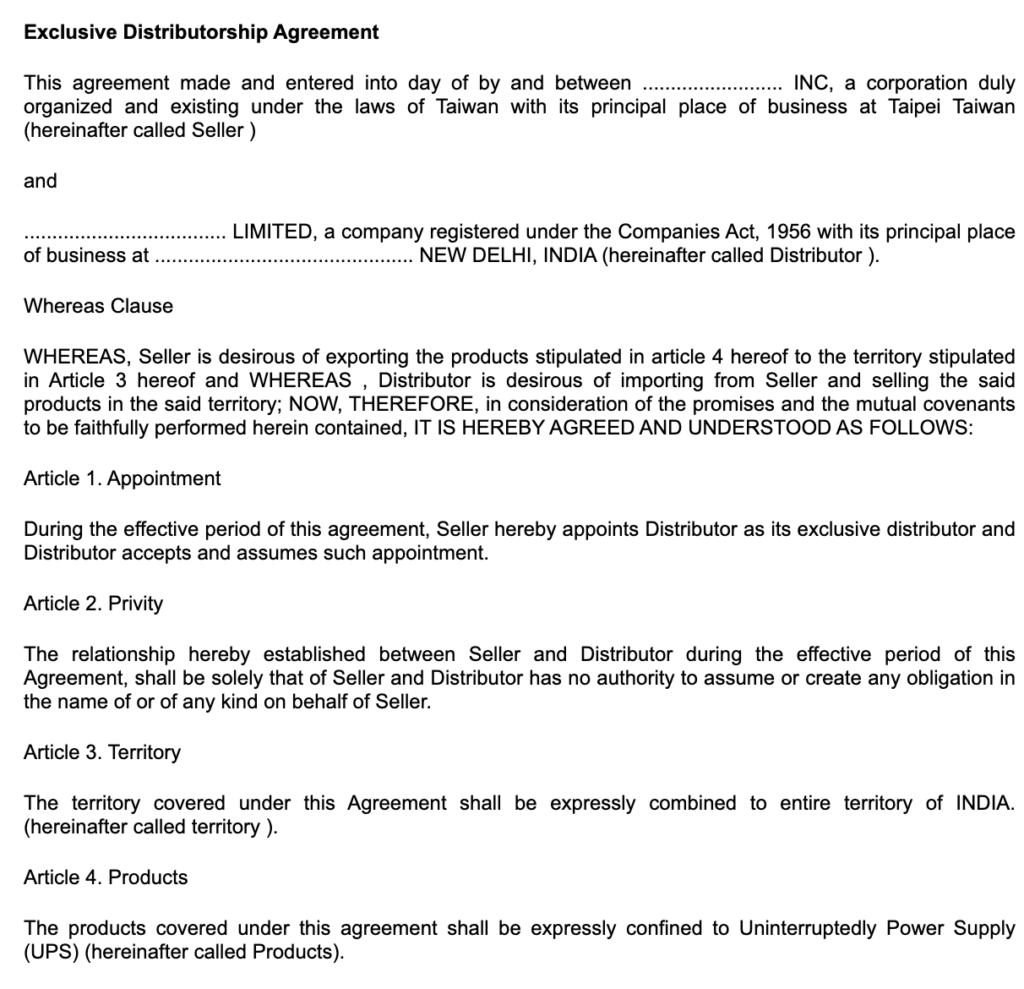
A dealership agreement in India is a legal contract between a manufacturer or supplier and a dealer/distributor.
The Manufacturer/Supplier – is the entity that owns the goods or trademark and licenses it to a single retailer or wholesaler. The manufacturer or supplier of the products grants the dealer exclusive rights to sell or distribute the goods in a particular region or market.
Dealer/Distributor – is the entity that makes an agreement with a manufacturer or supplier to sell or distribute the manufacturer’s or supplier’s goods exclusively in a given region or market. They sell and service the products within their territory as the manufacturer’s official representative, promoting the brand and ensuring customer satisfaction.
Here are some reasons why a Dealership Agreement is a crucial document in India.
Legal Framework – The agreement is an official framework that protects both the manufacturer’s and the dealer’s interests. It spells out each party’s rights and responsibilities, making it less likely that there will be disagreements or misunderstandings.
Provides the location where the Dealer can sell his products/services – In the dealership agreement, it says that the dealer has the exclusive right to sell or distribute the manufacturer’s goods. This keeps sales areas from overlapping and ensures that dealers can work without competing with other dealers hired by the same manufacturer.
Consistency and Brand Control – Usually, the agreement has rules and guidelines about how to brand, market, and promote the manufacturer’s goods. This helps keep the company and its products looking the same, which is important for keeping the manufacturer’s image.
Provision related to termination and dispute resolution – Termination of the dealership agreement and dispute resolution clauses are included in the agreement. This lays forth an easy method for resolving any conflicts that may develop in the course of doing business together.
Performance Expectations set by the manufacturer – Sales quotas, expected levels of performance, and minimum order quantities are frequently outlined in a dealership’s agreement. In turn, this encourages the dealer to push the manufacturer’s wares and ultimately benefits the manufacturer’s bottom line.
In all, a dealership agreement in India has importance because it creates a win-win partnership between manufacturers and dealers, streamlines the distribution of products, safeguards the interests of all parties involved, and keeps the brand consistent and the customers happy.
Tips to Create the Perfect Dealership Agreement Format in India – A Complete Guide
Like every other franchise agreement in India, a dealership agreement also has specific parameters that should be followed in order to avoid any discrepancies between both parties. Therefore, while drafting a dealership agreement, it’s important to keep in mind a number of important legal and commercial considerations.
While it is recommended that you get the advice of a legal expert to guarantee adherence to Indian law and regulation, here are some useful tips that can help you draft the exclusive dealership agreement to grow your business in India.
Tip #1. Consulting a legal professional who has expertise in this field
Find yourself a specialist who has expertise in the area of law and franchising and hire their services. They will direct you through the necessary legal procedures and check that you are following the rules.
Tip #2. Outline the scope of your business in the dealership agreement
Specify precisely what goods or services are included in the exclusive dealership’s scope. Include the duration of the contract, any restrictions on the area of coverage, and any exclusivity provisions. Avoid confusion and misunderstanding by being clear and thorough in your communication.
Tip #3. Address the usage rights of IPs
Discuss who owns any relevant intellectual property, such as patents, copyrights, or trademarks, and how they can be used. Specify the dealer’s permitted uses and promotional responsibilities for the IP.
Tip #4. Define the targets as per your expectation
Outline the metrics and goals that the dealer must meet to succeed. Sales quotas, advertising campaigns, customer support after the sale, and other metrics may be included here. Include any termination or renegotiation options as a result of not satisfying these requirements.
Tip #5. Clauses for Termination and Dispute Resolution
Define the terms under which the Agreement can be terminated, such as the required notice period and the reasons for termination. Furthermore, a paragraph detailing the procedure to be followed in the event of a dispute between the parties, whether through mediation, arbitration, or litigation, should be included.
Tip #6. Draft a Dealership Agreement in compliance with the Laws of India
Verify that the dealership agreement satisfies the requirements of all Indian laws and regulations, including those pertaining to competition, consumer protection, and taxes. Seek out legal counsel to guarantee compliance.
Tip #7. Confidentiality of both parties
Ensure that both parties’ private information is protected by including appropriate provisions. Define what kinds of information are private and how they will be safeguarded.
Always remember, it is important to review and update the dealership agreement format in India keeping in mind the legal framework and with proper consultation from the legal experts.
Dealership Agreement Terms & Conditions
The specifics of an exclusive dealership agreement and the type of business being conducted will determine the agreement’s terms and conditions. However, in most cases, the following terms and conditions are also included:
Exclusive Territory Rights – The agreement should spell out the specifically defined territory in which the dealer will have exclusive distribution rights. This guarantees that the dealer is the only point of contact for buyers in that area.
Types of Products that can be sold by the dealer – The authorized products or services that the dealer may sell must be specified in the agreement. Any limitations or restrictions on the dealer’s ability to sell particular items or services should be spelled out in this document.
Sales Target – The dealer may be expected to meet specific sales quotas or performance metrics during the course of the agreement’s term. If these goals aren’t met, the agreement could be terminated or there could be repercussions.
Agreement Term Validity – The dealership arrangement’s start and expiration dates should be spelled out in the agreement. At the end of the term, it may additionally specify whether the agreement will be automatically renewed or will expire.
Marketing & Advertising Responsibility – The dealer’s marketing and advertising duties could be spelled out in the contract. It may state whether or not the corporation will assist the dealer financially in its advertising efforts.
IP Rights – Trademarks, logos, and copyrights are all forms of intellectual property that should be mentioned in the agreement. The agreement needs to detail the dealer’s access to and use of the company’s intellectual property, as well as any necessary caveats or limitations.
Termination or Exit Clause – Termination clauses, such as those for non-performance, violation of terms, or breach of contract, should be spelled out in the agreement. Any required termination notice periods should also be specified.
Payment Terms – Pricing, payment terms, and any discounts or commissions should all be spelled out in the agreement. It should detail the dealer’s sales commission and how the company will receive payment.
Non-compete clause – During the duration of the agreement, the dealer may not represent or engage in similar business activities on behalf of a competitor.
After-Sales Support – If a warranty applies to the goods or services being sold, it should be specified in the agreement, along with the dealer’s obligations in terms of providing after-sale service (such as repairs or replacements).
Who can help draft a Dealership Agreement in India?
Experts in the law, like solicitors or contract lawyers, are usually needed to design a dealership agreement. If you want to make sure your interests are sufficiently protected and the agreement follows all applicable laws and regulations, you should talk to a lawyer who specialises in commercial or company law.
While dealership agreement templates and dealership agreement formats in Word are easily available online, it is crucial to remember that the dealership agreement should reflect the unique needs of your business and sector. Hiring a lawyer will help ensure that the agreement meets your needs and is valid under the law.
Nonetheless, you can also get in touch with Franchising experts at Sparkleminds to help you prepare an exclusive dealership agreement in India.
To Conclude,
A dealership agreement is critical for growing your business in India because it allows for easier entry into the market, makes use of local knowledge and expertise, guarantees proper brand representation, creates a strong sales and distribution network, helps with local regulations, improves customer service, and provides access to new markets.
Dealership partnerships assist businesses in India navigate the market, speeding up their expansion, and finding long-term success.
If you have found this blog useful, and are looking for ways to expand your business in India, get in touch with our experts right away. We would be glad to assist you as you venture into untapped markets in India.
The Manufacturer/Supplier – is the entity that owns the goods or trademark and licenses it to a single retailer or wholesaler. The manufacturer or supplier of the products grants the dealer exclusive rights to sell or distribute the goods in a particular region or market.
Dealer/Distributor – is the entity that makes an agreement with a manufacturer or supplier to sell or distribute the manufacturer’s or supplier’s goods exclusively in a given region or market. They sell and service the products within their territory as the manufacturer’s official representative, promoting the brand and ensuring customer satisfaction.
Here are some reasons why a Dealership Agreement is a crucial document in India.
Legal Framework – The agreement is an official framework that protects both the manufacturer’s and the dealer’s interests. It spells out each party’s rights and responsibilities, making it less likely that there will be disagreements or misunderstandings.
Provides the location where the Dealer can sell his products/services – In the dealership agreement, it says that the dealer has the exclusive right to sell or distribute the manufacturer’s goods. This keeps sales areas from overlapping and ensures that dealers can work without competing with other dealers hired by the same manufacturer.
Consistency and Brand Control – Usually, the agreement has rules and guidelines about how to brand, market, and promote the manufacturer’s goods. This helps keep the company and its products looking the same, which is important for keeping the manufacturer’s image.
Provision related to termination and dispute resolution – Termination of the dealership agreement and dispute resolution clauses are included in the agreement. This lays forth an easy method for resolving any conflicts that may develop in the course of doing business together.
Performance Expectations set by the manufacturer – Sales quotas, expected levels of performance, and minimum order quantities are frequently outlined in a dealership’s agreement. In turn, this encourages the dealer to push the manufacturer’s wares and ultimately benefits the manufacturer’s bottom line.
In all, a dealership agreement in India has importance because it creates a win-win partnership between manufacturers and dealers, streamlines the distribution of products, safeguards the interests of all parties involved, and keeps the brand consistent and the customers happy.
Tips to Create the Perfect Dealership Agreement Format in India – A Complete Guide
Like every other franchise agreement in India, a dealership agreement also has specific parameters that should be followed in order to avoid any discrepancies between both parties. Therefore, while drafting a dealership agreement, it’s important to keep in mind a number of important legal and commercial considerations.
While it is recommended that you get the advice of a legal expert to guarantee adherence to Indian law and regulation, here are some useful tips that can help you draft the exclusive dealership agreement to grow your business in India.
Tip #1. Consulting a legal professional who has expertise in this field
Find yourself a specialist who has expertise in the field of law and franchising and hire their services. They will direct you through the necessary legal procedures and check that you are following the rules.
Tip #2. Outline the scope of your business in the dealership agreement
Specify exactly what goods or services are included in the exclusive dealership’s scope. Include the duration of the contract, any restrictions on the area of coverage, and any exclusivity provisions. Avoid confusion and misunderstanding by being clear and thorough in your communication.
Tip #3. Address the usage rights of IPs
Discuss who owns any relevant intellectual property, such as patents, copyrights, or trademarks, and how they can be used. Specify the dealer’s permitted uses and promotional responsibilities for the IP.
Tip #4. Define the targets as per your expectation
Outline the metrics and goals that the dealer must meet to succeed. Sales quotas, advertising campaigns, customer support after the sale, and other metrics may be included here. Include any termination or renegotiation options as a result of not satisfying these requirements.
Tip #5. Clauses for Termination and Dispute Resolution
Define the terms under which the Agreement can be terminated, such as the required notice period and the reasons for termination. Furthermore, a paragraph detailing the procedure to be followed in the event of a dispute between the parties, whether through mediation, arbitration, or litigation, should be included.
Tip #6. Draft a Dealership Agreement in compliance with the Laws of India
Verify that the dealership agreement satisfies the requirements of all Indian laws and regulations, including those pertaining to competition, consumer protection, and taxes. Seek out legal counsel to guarantee compliance.
Tip #7. Confidentiality of both parties
Ensure that both parties’ private information is protected by including appropriate provisions. Define what kinds of information are private and how they will be safeguarded.
Always remember, it is important to review and update the dealership agreement format in India keeping in mind the legal framework and with proper consultation from the legal experts.
Dealership Agreement Terms & Conditions
The specifics of an exclusive dealership agreement and the type of business being conducted will determine the agreement’s terms and conditions. However, in most cases, the following terms and conditions are also included:
Exclusive Territory Rights – The agreement should spell out the specifically defined territory in which the dealer will have exclusive distribution rights. This guarantees that the dealer is the only point of contact for buyers in that area.
Types of Products that can be sold by the dealer – The authorized products or services that the dealer may sell must be specified in the agreement. Any limitations or restrictions on the dealer’s ability to sell particular items or services should be spelled out in this document.
Sales Target – The dealer may be expected to meet specific sales quotas or performance metrics during the course of the agreement’s term. If these goals aren’t met, the agreement could be terminated or there could be repercussions.
Agreement Term Validity – The dealership arrangement’s start and expiration dates should be spelled out in the agreement. At the end of the term, it may additionally specify whether the agreement will be automatically renewed or will expire.
Marketing & Advertising Responsibility – The dealer’s marketing and advertising duties could be spelled out in the contract. It may state whether or not the corporation will assist the dealer financially in its advertising efforts.
IP Rights – Trademarks, logos, and copyrights are all forms of intellectual property that should be mentioned in the agreement. The agreement needs to detail the dealer’s access to and use of the company’s intellectual property, as well as any necessary caveats or limitations.
Termination or Exit Clause – Termination clauses, such as those for non-performance, violation of terms, or breach of contract, should be spelled out in the agreement. Any required termination notice periods should also be specified.
Payment Terms – Pricing, payment terms, and any discounts or commissions should all be spelled out in the agreement. It should detail the dealer’s sales commission and how the company will receive payment.
Non-compete clause – During the duration of the agreement, the dealer may not represent or engage in similar business activities on behalf of a competitor.
After-Sales Support – If a warranty applies to the goods or services being sold, it should be specified in the agreement, along with the dealer’s obligations in terms of providing after-sale service (such as repairs or replacements).
Who can help draft a Dealership Agreement in India?
Experts in the law, like solicitors or contract lawyers, are usually needed to design a dealership agreement. If you want to make sure your interests are sufficiently protected and the agreement follows all applicable laws and regulations, you should talk to a lawyer who specializes in commercial or company law.
While dealership agreement templates and dealership agreement formats in Word are easily available online, it is crucial to remember that the dealership agreement should reflect the unique needs of your business and sector. Hiring a lawyer will help ensure that the agreement meets your needs and is valid under the law.
Nonetheless, you can also get in touch with Franchising experts at Sparkleminds to help you prepare an exclusive dealership agreement in India.
To Conclude,
A dealership agreement is critical for growing your business in India because it allows for easier entry into the market, makes use of local knowledge and expertise, guarantees proper brand representation, creates a strong sales and distribution network, helps with local regulations, improves customer service, and provides access to new markets.
Dealership partnerships assist businesses in India navigate the market, speeding up their expansion, and finding long-term success.
If you have found this blog useful, and are looking for ways to expand your business in India, get in touch with our experts right away. We would be glad to assist you as you venture into untapped markets in India.
It’s more complicated to expand a manufacturing business. To make matters worse, senior management at smaller businesses sometimes has to split their attention between various tasks, including finance, marketing, product development, quality control, human resources, and much more.
It’s easy to get lost in the complexity of day-to-day operations and firefighting and neglect the big picture when faced with such challenges. Which is to say, growth.
So, how can you grow your manufacturing business in India? Read this blog to understand the successful tips which can help you expand your manufacturing business in India, into new markets, the latest trends leading to the growth of the manufacturing industry in India, and more.
6 Successful Tips to Grow Your Manufacturing Business in India
Be assured, focusing on these tips which many business owners often overlook, can help you expand your manufacturing business in India.
Tip #1. Understand what your business is about, and how you can make it better
Among the most important steps in expanding a manufacturing business is pinpointing the company’s unique set of skills and strengths.
Quick turnarounds?
Tight limits on variation?
Designing a product?
Support for customers?
Whatever the expertise, a manufacturing company can expand its client base and profitability by focusing on the areas in which it excels and promoting those strengths to potential buyers while simultaneously making an effort to improve those skills.
Tip #2. Learn From Your Competitors
You should be familiar with your competition, and not just those businesses who operate in the same field as you are. That’s because these are your real competitors—the manufacturing businesses that buyers think are most like your own. Ask yourself.
What else are these rivals good at?
What are their weaknesses?
Which mistakes have they made?
And what can you learn from them to help you grow your own manufacturing business?
Tip #3. Work on planning rather than operations
To grow a manufacturing business, the first step is to make time for tasks that will help the business grow. Set aside time in your schedule that isn’t filled with day-to-day tasks, and make sure that other people who are essential to the growth of your business do the same.
Hand over the details. Hold “growth-focused” planning and product development talks where everyone has to be there, even if the latest problem needs to be solved.
Visit trade shows and exhibits. Network. Find out about new tools. In short, you should focus on planning, not operations.
Tip #4. Invest in growth-related KPIs
In many parts of the business, KPIs help managers get closer to the goals they’ve set for their businesses.
But there are often KPI blind spots for growing manufacturing businesses. Check whether.
Are you tracking and keeping an eye on growth-related KPIs?
What about new goods and services?
New markets or ways to use things?
The number of talks and projects about growth?
If you get what you measure, then start measuring growth.
Tip #5. Investing in the latest technology
For a manufacturing business to grow, it needs to invest in new technology. But another common mistake is to only think of the new investment in terms of the production tools on the factory floor. The thinking goes that this is the investment, and everything else is a cost that should be put off or avoided.
Think differently. New IT systems, for example, give you new ways to interact with customers and can help with growth-related tasks like Customer Relationship Management.
Tip #6. Networking plays a vital role in growing a manufacturing business
Last but not least, don’t forget that networking can help a manufacturing business grow.
From online forums and groups like LinkedIn to local chambers of commerce and “best practice sharing” programs run by the government, there are a lot of ways for manufacturers to meet each other and connect with potential customers or sources of information about new skills, new markets, and new technologies.
How to grow your manufacturing business in India?
Growing a manufacturing business in India can be both enjoyable and challenging. Here’s how you can start.
Conducting Thorough Market Research and Analysis – Do a thorough market study to find out if people in India want your products or services. To make good decisions, you need to know about the competitors, your target audience, and market trends.
Draft a robust business model and plan – Make a detailed business plan that includes your goals, your target market, your marketing strategies, your financial estimates, and your plans for growth. This plan will help guide the growth of your business.
Choose the right location where you can grow your business – Choose the right place for the manufacturing facility by thinking about things like how close it is to raw materials, how good the transportation system is, how many skilled workers are available, and how easy it is to reach your target markets.
Investing in Technology and Infrastructure – Upgrade your production infrastructure and put money into modern technology to increase productivity, efficiency, and quality. Automation, robotics, and other types of high-tech equipment can help streamline processes and cut costs.
Build a strong supplier network – Build connections with reliable suppliers and negotiate good terms to make sure you always have a steady supply of raw materials at prices that are competitive. Think about working with local providers to save money and make things easier in terms of logistics.
Developing a solid distribution network – Set up a strong marketing network to effectively reach your target customers. You can reach more customers by working with distributors, wholesalers, retailers, and e-commerce sites.
Make use of the latest marketing strategies – Use digital marketing to get the word out about your manufacturing business. Set up a strong online presence with a website, social media channels, and targeted advertising efforts to reach more people.
Adopt the Franchise Model to expand your business –
Determine if your business model is ready to franchise.
Develop a comprehensive franchise system
Consult with experts in the field of franchising.
Prepare all the documentation required for franchising.
Identify potential investors for your business’s long-term growth.
Establish appropriate quality measures.
Constantly evaluate and monitor for expansion.
Remember that growing a manufacturing business takes time, effort, and smart planning. To ensure long-term success, you should be ready to adapt to changes in the market, invest in continuous growth, and build strong relationships with customers, suppliers, and other stakeholders.
Trends to Look Out for while Expanding your Manufacturing Business in India 2023
Despite supply-side winds, manpower difficulties, and an uncertain economic environment, the manufacturing sector has shown continued strength in 2022 and exceeded forecasts.
The industry is recovering quickly from the pandemic, and despite recent disruptions, it anticipates expanding in the year 2023.
Here’s what is going to rule the Manufacturing Business Sector in 2023.
Automation will dramatically alter the future of work in the near future. Market leaders and game changers in 2023 will be the companies that have adopted automation trends. The manufacturing and business-to-business (B2B) industries are already feeling the effects of automation, and this tendency will only increase. It completely alters the manufacturing process, making work easier and more productive while decreasing expenses.
New capabilities that enable secure connection of people, assets, workflow, and business processes will make businesses more robust in 2023, making end-to-end manufacturing cloud solutions a prominent trend in the cloud computing industry.
The usage of artificial intelligence (AI), machine learning (ML), the Internet of Things (IoT), and digital twins (DTs) in manufacturing will rise at a rapid rate as a result of improved automation technologies.
As manufacturers move from B2B to B2C, they need to connect their supply lines so they can work well. This would get rid of the trouble that brokers cause.
Leaders in the supply chain will place a premium on green production and sourcing practices. More government measures will be taken to urge businesses to closely monitor their greenhouse gas emissions.
Trending: How the Government of India has implemented various initiatives for boosting the manufacturing sector in India.
FAQs
Q.1. What is the growth rate of the manufacturing sector in India?
With India’s GDP forecasted to surpass 7%, this will ensure the manufacturing sector rebound.
Q.2. What are the trends governing the growth of the manufacturing sector in India?
In 2023, smart factories and manufacturing plants will use AI, automation, IoT, and digital twins more and more to make processes run more smoothly and, in the end, improve business outcomes.
To Conclude,
Thanks to the success of key industries like automobiles, engineering, chemicals, pharmaceuticals, and consumer durables, manufacturing is becoming an essential part of the country’s economic growth. Before the pandemic, 16–17% of India’s GDP came from manufacturing, which is expected to be one of the areas with the fastest growth.
Furthermore, with this forecasted growth, India is on the road to becoming a major global manufacturing hub.
Therefore, for all those business owners out there, get in touch with the experts at Sparkleminds, if you are looking to grab this opportunity of expanding your manufacturing business in India in 2023.
The fashion industry in India is a dynamic sector that has changed drastically in recent years. The fashion business is a significant economic driver since it produces goods for a wide variety of people, from traditional attire to modern designer clothing.
With the advent of the internet, the fashion business has expanded into a new realm, creating a thriving online fashion market. FICCI-Wazir Advisors predicts that the Indian textile and apparel sector will grow to $250 billion by 2025-2026.
Brands in the apparel sector need to keep up with the most recent developments in technology and consumer preferences in order to remain competitive as the industry continues to undergo a dramatic transformation.
So for all those Apparel business owners in India, here is your chance to grow your apparel business in India.
Potential Trends Shaping the Apparel Business Industry in India 2023
Some of the possible fashion retail industry trends in 2023 are listed below.
1. Athletic Wear continues to gain popularity
Athleisure wear has stayed popular because more people are working from home and dress rules are becoming less strict. As more people use hybrid work models, there is a bigger need for clothes that look professional but are comfy enough to wear at home and at the office.
In the past few years, athleisure wear has also become more popular, and many high-end brands have added pieces inspired by sportswear to their collections. Because of this, it’s become more socially okay to wear athleisure outside of the gym or sports pitch, which has made it even more popular.
2. Stretchy Clothing
Stretchy clothing is becoming more and more popular, and its flexibility is valued in all product categories. In the past few years, stretchy clothes have become more popular, and many designers use stretch materials in their collections.
This has made fashion design more creative because stretchy fabrics can be used to make styles that are new and different. Stretchy clothing is now a must-have for any brand, from knitted shirts to formal and casual pants.
3. Re-inventing the traditional formal wear
There has been a change in how people dress for work, parties, and other events, which has changed what people usually think of as “formal wear.” Even though dress rules in the workplace and at social events are becoming more relaxed, there is a growing trend towards bold, attention-getting outfits for important events.
4. Introduction of Prints
The industry is known for its traditional fabrics and textiles, which are very famous not only in India but also in other countries. In the world of casual wear, prints are becoming more and more popular.
Floral, tropical, paisley, geometric, block, and animal prints are some of the most popular styles for women. Also, metal prints are becoming popular because they give clothes a shiny and interesting look. To keep up with the latest fashion trends, it’s important for a brand to use these prints in their designs.
5. Use of AR & VR Technology
Augmented reality (AR) and virtual reality (VR) technology are being used more and more in the fashion business. AR and VR technologies make it possible for people to try on clothes digitally, which makes shopping more fun and personal. This technology could also cut down on the number of returns since people will have a better idea of how the clothes will fit before they buy them.
6. Surge in Sustainable Fashion
Sustainable fashion is expected to grow quickly in the near future because people are becoming more aware of how the fashion business affects the environment, which makes them want to find greener alternatives.
This trend is likely to keep going since many brands are using eco-friendly products and methods in their manufacturing processes. Since consumers are putting sustainability at the top of their shopping lists more and more, it’s important for retailers to meet these needs by selling eco-friendly goods and lowering their carbon footprint.
7. Use of Social Media Platforms for Shopping
Social media buying has become more popular in the clothing industry in the last few years. More and more people are using sites like Instagram, Facebook, and Pinterest to find new products and get ideas for fashion.
Users can follow influencers, brands, and retailers on these platforms and see new styles and goods in their feeds. This makes it easier for them to find what they want and buy it. Brands and stores use social media to talk to their customers directly, give personalized suggestions, and offer special deals and discounts.
8. Omni channel Shopping Experience
It’s important for retailers to connect their online and offline outlets so that customers can shop without interruptions. Since this trend is likely to keep going, a brand needs to make it a top priority to give a smooth shopping experience across all channels, both online and off. By doing this, we can make sure customers are happy and help the business grow.
9. Sales & Marketing Promotions
Because of more competition and changing customer habits, there is a trend in the clothing industry toward sales and marketing campaigns. Many clothing businesses are coming up with new ways to promote their brands, get customers interested, and increase sales.
They keep a close eye on sales data and how customers act so they can offer well-balanced deals like freebies and discounts while keeping their margins profitable.
10. Local Manufacturing & Sourcing of fabric
Local sourcing and manufacturing have become more important in recent years, and this trend is likely to continue until 2023. In response to this trend, brands and stores are getting their materials and making their clothes locally.
This helps to cut down on pollution from transportation and boosts local economies. Local production also gives more control over the manufacturing process and better working conditions for workers, which is something that customers are becoming more concerned about.
How to Franchise Your Apparel Business in India?
If you run a clothing brand and are looking to increase brand awareness and take advantage of the market in India, franchising may be the way to go.
Follow these steps to grow your clothes business in India.
Ensure that your clothes business holds a successful track record which will enable you to consider the franchising business model.
Conduct market research to understand your competitors, market requirements for your products, and the location where you think your brand can grow successfully.
Prepare a comprehensive franchise model plan which will outline what you would be offering to your potential investors.
Get in touch with legal experts or franchise consultants who are experts in the field to know about the legal framework in India.
Promote your brand through various sources in order to attract potential leads.
Design a training schedule for the other parties which will guide them about the running of your business and hence ensure consistency across all locations.
Have a reliable supply chain in place to ensure the consistent availability of your clothing.
Key Takeaways- Why is it the right time to grow your apparel business in India,
As a result of the changes in the economy over the past two years, customers today have changed. They now know more about trends and are more careful about what they buy. Because of this, it’s important for apparel business owners to carefully look at the things that affect how people buy and change their strategies appropriately.
Brands need to change how they sell and create to keep up with changing fashion trends and dress codes, especially when it comes to gender lines.
Brands need to rethink how they produce, distribute, and market their products.
Leaders in the fashion business need to find new ways to sell their products so they can stay efficient and relevant in the market.
Brands need to use more creative marketing methods to attract customers with bold, unique content that stands out in the digital world, where focused ads no longer work.
FAQs
Q.1. Which is the best Clothing Franchise brand in India?
Brands like Jockey, Zara, Siyaram, and numero uno are some of the top clothing franchises in India.
Q.2. Is growing your clothing business profitable in India?
Growing a clothing business in India can be profitable, thanks to the country’s big population, wide range of fashion tastes, and rising spending power. India is one of the biggest places for clothing and fashion, giving entrepreneurs a lot of chances to make money.
Q.3. what is the profit margin of the clothing business in India?
In the clothing business, the profit margin can vary a lot based on things like the type of clothing (luxury, fast fashion, niche market), the target market, the reputation of the brand, how well the business runs, and the overall business strategy.
To Conclude,
Don’t forget that franchising is a multi-step process, and you’ll need to modify these guidelines to meet the requirements of the Indian market. You can get even more help with franchising by consulting franchise consultants like Sparkleminds who focus on the Indian market.