
5 Common Mistakes to Avoid When Franchising a Business in India

Written by Sparkleminds

Franchising is a fantastic strategy for expanding a successful business. However, problems may arise if you franchise your business too soon or if you choose the wrong lead who isn’t a good fit for your brand.

Simply said, these are merely two of the most typical franchisee blunders. In addition, failing to think about which business structure can promote the expansion of your franchise business can lead to the collapse of your franchise.

This article will help you avoid these typical mistakes in franchising and keep your business running smoothly.

5 Mistakes You Can Avoid in Franchising Business in India

Mistake #1: Franchising when your business is not ready to franchise

The most common mistake made by business owners when franchising is to do it too soon. When things are going well financially and you have a consistent stream of revenue coming in, franchising your business may seem like a great idea.

It’s important to wait until your company has reached full maturity before expanding into franchising. When this happens, growth and income for your company slow down.

2 things to look out for to know if your business is mature enough to franchise:

  • Has a sound operations system in place, which works well with your business model
  • Sufficient capital

There are certain expenses you’ll incur as a franchisor that you should plan for. Expenses like these may include:

  • costs associated with having manuals and contracts drafted by attorneys;
  • spending money on franchisee training;
  • Marketing materials designed to help you expand your business.

These preliminary costs may be recouped from franchisees. However, you will still require a financial investment to launch your franchise.

Apart from sufficient capital, there are a few things to think about before committing to a franchise.

  • You need to make sure there’s a sizable market for your company’s wares. Sales volatility during the past few years is a red flag that your business model isn’t quite ready to be franchised.
  • It’s also a good idea to think about whether or not any potential investors might be interested in purchasing a stake in your company. Franchises allow other business owners to invest in and operate under the same brand.
  • Franchisees are responsible for the day-to-day management of a location, while you benefit from a cut of the revenues and the licensing costs. Potential franchisees may not be interested in signing on the dotted line if they see little to no outside investment interest in your company.

Mistake #2:  Proper SOPs

Having thorough and well-written Standard Operating Procedures (SOPs) for every aspect of your business will help ensure that things keep running smoothly even if something goes wrong.

Here are some suggestions for incorporating a SOP into your company’s operations.

Typical examples of standard operating procedures are:

  • methods of selection and instruction
  • Standards for client care
  • Methods of New Product Creation
  • Guidelines for Business Procedures

Having documented company SOPs in place can save time and effort in the long run by establishing standards across all locations and clarifying roles and responsibilities for all employees.

Mistake #3:  Recruiting inappropriate investors

Franchisees play an important role in promoting your business. This is because a franchisee will promote and sell your company’s products or services under your company’s name.

Therefore, it is important to carefully select franchisees to represent your brand, as the wrong ones could hurt your company’s image.

If you want to find a franchisee who is a good fit for your franchise business, you need to give yourself enough time to implement a comprehensive advertising strategy.

In addition, once you have a pool of applicants to choose from, you need to create selection criteria to evaluate each candidate.

It’s important to ask both franchise-specific and more general questions of potential franchisees during the interview process. A franchisee’s qualifications and expertise in the franchise industry are crucial to the success of a new firm, but other attributes, such as drive and dedication, are just as important.

An extensive interview procedure is preferred by some franchise owners. However, some franchise businesses give prospective owners a taste of what it’s like to work in the field. Thus, the prospective franchisee can experience the franchise in action before committing to it.

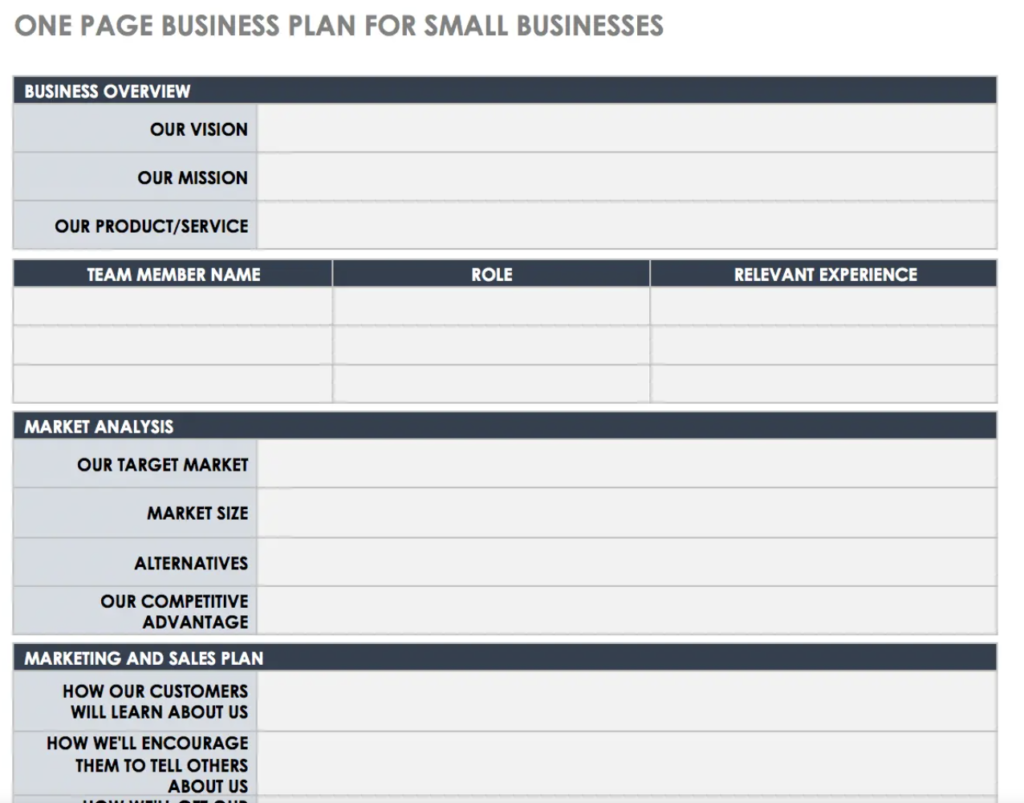
Mistake #4: Not having a business plan in place

It is crucial for every business, but especially so for those thinking about franchising, to have a well-thought-out plan for the future.

You may lack the direction to keep your franchise firm on track and secure its success without a well-thought-out business plan.

Contents of the business plan should include:

  • Target audience / market
  • Marketing strategy
  • Financial forecasting

Mistake #5:  Without understanding franchising costs

It’s important to receive an exact estimate of the franchising cost when preparing to expand your business into franchises.

And bear in mind that there are other expenses to think about. To properly plan and budget for a company expansion, it is recommended that you seek the advice of professionals in the field.

Examples of franchising costs are:

  • License fees
  • Inventory costs
  • Marketing and advertising expenses
  • Insurance costs

Risks of Franchising Your Business in India

Successful business owners often consider franchising as a means of growth. Franchises have pros and cons just like any other company model.

Until you weigh the benefits and drawbacks of franchising in light of your specific business, you cannot say with any certainty whether or not it is the appropriate choice.

In most cases, this calls for the assistance of a franchise advisor or consultant; however, before making contact with these professionals, you should familiarize yourself with the primary benefits and drawbacks of franchising.

Here are some risks of franchising in India.

1. Capital outlay.

Investing a specific sum into a franchise is necessary. There will be outlays for developing the model, writing the operations manual, creating the training manual, drafting the franchise agreement, and beginning marketing, sales, and employee recruitment.

2.  Reduced authority over franchisees.

Franchisees are autonomous enterprises, even though your franchise is a well-proven system. Franchisees are not like regular employees in that they can be ordered around.

3.  Core community weakness.

Franchisees are far more difficult to motivate than salaried employees to cooperate for the good of the system and the business as a whole.

4.  Innovation obstacles.

Franchises make it more difficult to experiment with new ideas than independently owned businesses.

Also Read: Disadvantages of franchising your business in India.

Key Takeaways,

There are several positive outcomes for your company that might result from a franchise agreement. However, if you’re not careful, you can make one of the classic franchising blunders.

If you’re considering franchising your company, it’s important to take these steps first.

  • Your company has reached full maturity;
  • Your franchise’s expansion can be aided by the legal framework you’ve set up;
  • You are careful in selecting the best candidates for your franchise.

FAQs

Q.1.  When is the right time to franchise my business in India?

There is no definite moment to turn your business into a franchise. Consult with knowledgeable professionals like franchise consultants if you’re thinking about starting a franchise of your business in India.

Conclusion,

In conclusion, there are a number of typical blunders that entrepreneurs make when they decide to franchise their company.

If you’re considering franchising your business, it’s crucial that you think through these pitfalls so that you can avoid them and put yourself up for success.  Get in touch with us at Sparkleminds, to know about how to give a franchise of your business in India.

Loading

Strategies to quickly grow your business in India in 2023

Written by Sparkleminds

Every business starts out with the intention of expanding, reaching new levels of accomplishment, and maintaining that level of achievement. Though ambitious fantasies are fine, well-defined objectives are essential. It’s important to know early on if you want to keep going in the same direction or branch out.

There is a wide variety of options for expanding your company’s reach. Examples include releasing a brand-new product or expanding into whole new markets. Depending on the industry in which it operates, every company has its own unique set of goals and objectives in mind.

If your business expansion strategy and growth goals are aligned, adopting a clearly defined strategy might reveal exciting new opportunities.

This blog will take you through some of the top strategies which will help your business grow in India in 2023.

7 Business Growth Strategies – A Step By Step Guide to Grow Your Business in India in 2023

#1.  Market Penetration for Advanced Marketing

The goal of market penetration is to increase earnings by selling more of one’s current offerings to new customers.  You can actively seek out brand-new consumers and reach out to previously unreached sectors of the market.

Find the new group of people or previously untapped markets where your product or service will be most useful.

After your business has been established, expanding its reach into new markets is crucial to its continued success.

#2.  Use a number of different methods to get in touch with your potential investors.

Advertise in newspapers, on social media, in articles, on blogs, and at events to get your message out to your target audience. Emails still have a greater opening rate than any other social media platforms, email campaigns are a great way to reach out to specific clients.  The more your brand is known across various platforms, the easier it gets the word across to interested investors.

#3.  Choosing the right investors to take your business forward

When choosing the investors for your business, it is important to make sure they understand the motive of your business.  Hiring the right people will help you increase the productivity and revenue of your business. 

You can consider using the Franchisee Profiling checklist so as to have a thorough check if the investor is ideal for your business or not.

Also Read: How Franchisee Profiling Service Works

#4.  Leverage the use of Social Media Platforms for extensive marketing

Today social media is one of the most effective and fastest ways of promoting your brand / business.  In other words, it is the most cost-effective marketing tool.

Increased brand recognition, site traffic, leads, sales, audience engagement, and satisfaction with customer service are just a few of the benefits of social media marketing. Getting your product or service out to the right audience can do wonders for the financial success of your business.

Using social media analytics will yield a wealth of information that will improve your understanding of your clients in real-time. It gives you the plan to communicate with certain groups of people. In addition, it’s simple to follow your rival on social media and learn more about them that way.

Share your site’s blogs on social media on a regular basis to attract new visitors to your site. Therefore, if you want to reach a specific demographic with your advertising, consider using social media.

Similarly, you should always try to interact with your readers. This is because all interactions on social media are two-way streets. Make material that your investors will find useful and engaging and make them more inclined to invest in your business.

#5.  Website optimization

Everything we need is just a click away now. Having a website that loads quickly is, therefore, equivalent to getting new tyres for your business’s car.

Your website is working for you 24 hours a day, 7 days a week. Therefore, it is crucial for an expanding business to have a well-optimized website with a swift loading time.

Maintaining an up-to-date website with cutting-edge functions is essential for satisfying visitors.  Also, be sure to highlight the advantages of investing in your business.

Make sure the main page has striking visual appeal, useful material, and is simple to browse.  Help customers get in touch with you easily by posting your phone number and hours of operation on your website.

In short, getting people to perform the necessary action and communicate with you is the basic goal of having a website.

#6.  Cash Flow Management

In order to grow, your company needs money. You can’t stay in business if you can’t pay your bills. Therefore, knowing how to manage cash flow is crucial.

Know how much money will be coming in and going out of your business in the near and distant future. Even if business expansion causes a delay in profits, you should strive to keep a positive cash flow.

#7.  Plan Realistic Outcomes

We need to translate our plans for growth, whether geographical or in terms of revenue, into measurable long-term and short-term objectives.

Goals that can be scaled easily reveal whether or not we are making progress. Establish a specific, long-term objective to guide the company’s growth.

Objectives for both marketing and sales can be derived from long-term scalable goals. No expansion or development can be tracked without measurable targets. If you want to grow your business successfully, you need to set objectives that will help guide the efforts of each department.

Not to forget, you can attract investors to your business if you have set up realistic goals which they feel are achievable.  Then only, they will be happy to invest in your business and take it forward.

FAQs

Q.1. How can I promote my business in India in 2023?

Some of the best ideas to grow your business and promote it to attract investors is the use of good marketing techniques.  Have a good marketing strategy in place, making it simple for your investors to be inclined towards you.

Q.2 How can I grow my small business in India?

You can grow any type of business, small or medium by using these strategies.  These will help you get potential clients.  Getting those potential clients converted to franchise leads will help you grow your business in India.

Conclusion,

It can be both challenging and costly for a company in India to decide to expand into new markets. Sparkleminds’ Expansion Services are made to help businesses expand worldwide. Tell us what you need, and our experienced consultants will lend a hand with your business expansion.

Loading

Grab the Opportunity to Grow Your Education Business In India – 2023 

Written by Sparkleminds

Due to globalization and other factors, traditional methods of education are becoming obsolete. The traditional model of education has us spending many formative years cooped up in a classroom before venturing out into the real world to put what we’ve learned into practice. 

With the current rate of progress, however, what we study today may be obsolete tomorrow.

To better prepare ourselves for the dynamic modern world and adapt to the change in the education industry in India, we must adapt our methods of education by incorporating new technologies and ideas like life-long learning. 

Here is an overview of the key trends in the education industry that we anticipate will fuel this shift over the next year and beyond.  But before we get started let us understand more about the Education Industry in India, the key segments, statistics and facts governing the growth in each segment.

Education Industry in India – Stats & Facts

The education industry in India consists of both publicly and independently run schools, as well as companies that provide supplies and services related to education. With such a large youth population, India needs a strong education system to fully tap its human resource potential. 

Furthermore, government programmes and policies that aim to raise educational standards and increase funding for schools have had a significant impact on the industry.

When it comes to education on a worldwide scale, India ranks high. India is home to the largest concentration of higher education institutions in the world.

Over 117 billion dollars in value was placed on the education industry, with projections of growth to 225 billion dollars in value by 2025 and an ed-tech market of roughly $30 billion by 2031.

Here’s the Education Industry Segmentation:

  • Schools & Higher Education Institutes – Comprises Kindergarten To 12th Standard [K-12]
  • Non-formal Education – Comprises Preschools, Coaching classes & candidates appearing for examinations.

The education sector in India, was tremendously affected when the pandemic hit and has had adverse side effects on the education system.  Read on to know more about how the country’s education was affected.

  • Number of schools shut down because of non-enrollment of students.
  • Non availability of resources and facilities led to decline in teaching, as not all schools were properly equipped to provide online education.
  • Outcomes of students suffered leading to increase in the repetition rate.
  • Writing skills of children was adversely affected with no regular writing habits.

In short, there were about 360 million students in India whose schooling was hampered. Children were kept inside their homes and schools were shut down.  Although we redirected our educational efforts in a different direction, that new direction is not open to all students.

Popular preschool franchises that are gaining market share are Kidzee, EuroKids, Shemrock, BachPan and more.

After preschool popularity, another leading trend is the K-12 concept in the education industry which has been revolutionized by the entry of corporates and a number of institutes under an umbrella brand. In other words, corporations are using a franchisee/company-owned school strategy to expand their reach.

The Indian coaching classes market is another segment in the education industry gaining popularity.  The Indian Coaching classes market has expanded greatly due to the rising number of students in the country as well as the development of new curricula and challenging examinations. 

The private coaching classes market includes businesses that offer preparation for a wide variety of standardised tests and entrance examinations, from those taken at the high school and college levels to those administered by government agencies and professional schools. 

Students can also prepare for exams in foreign languages and standardized assessments abroad with the help of a tutor.

To summarize, we will highlight the key drivers for each segment in the table below:

PreschoolK-12College / University [ Higher Education]Coaching Classes / Vocational Courses
1. Rise in Income Levels.1. Growing awareness of quality education at enhanced affordable rates, leading to rise in private schools.1. More women oriented courses.1. Adopting technology based teaching methods.
2. Rapid Urbanization2. Introduction of government schemes.2. Variety of courses offered at high fees.2. Provision of computer literacy is boosted in schools.
3. More working women.3. Mid day meal schemes for schools3. Education as a prosperity driver3. Preparation towards meeting the competitive market skill set.
4. Importance of need of education at an early level.4. Willingness to spend on quality education.

5 Top Education Trends in 2023 that are changing the way of learning

1. Artificial Intelligence [AI]

The education sector is being reshaped by Artificial Intelligence (AI), which has been called the most revolutionary technology of the twenty-first century. Here’s where it is commonly used:

  • In the classroom in the form of virtual assistants that can help students and teachers manage their time and get their work done
  • Tutoring systems that can provide individualized learning experiences for students of all ages and skill levels
  • Fueling remote and online learning systems that can adjust the pace of teaching to meet the needs of individual students
  • Language translation in classrooms where students speak a wide variety of languages
  • Machine learning algorithms that can analyze large amounts of student data and identify patterns. 

2.  Distance, Virtual, and Hybrid Learning

Did you know, currently, nearly 270 million children do not attend school because they are located in rural or remote areas?

Also because of the worldwide spread of the Covid-19 pandemic, educational institutions and course providers were compelled to perfect the art of distance learning. Massive open online classes, however, had already been on the rise in the field of online education for some time.

Furthermore, teachers can now reach students in even the most remote areas thanks to remote and online learning. This could be a monumental step towards ensuring that all children, regardless of where they live, have equitable access to a quality education. 

3.  Vocational & Technical Skill Set Courses

In 2023, secondary schools will devote more time and money to preparing students for careers that do not require a four-year university degree. As schools collaborate with businesses to find solutions to issues brought on by the skills gap, enrollment in vocational and technical programmes that teach students a wide variety of skills is expected to rise. 

Moreover, we can expect to see this shift in the future as the demands of the new labour market shift from seeking solely college-educated graduates to creating a workforce with the required skills. 

This acknowledges that in the face of a global slowdown or recession, creating new drivers of economic growth may require an emphasis on vocational education and training in addition to conventional academic, subject-based training.

4.  VR & AR

The use of extended realities (XR) like virtual reality (VR) and augmented reality (AR) in classrooms is on the rise. 

In VR, the user is transported to a computer-generated environment where they can engage in a wide variety of activities, from reliving historical events to practicing repairs in potentially risky settings. 

Virtual classrooms, which facilitate the delivery of distant education and the conduct of classroom activities in a more immersive and experiential environment, are another application that is expected to rise in popularity throughout the year 2023. 

Moreover, Virtual reality (VR) is already being used in healthcare training for everything from teaching students how to administer emergency care to teaching physicians how to perform surgery.

5.  STEM and soft skills

Communicating effectively, thinking creatively, resolving problems with others, managing relationships, and resolving conflicts are all examples of soft skills. In other words, these are competencies that will remain uniquely human for the foreseeable future. 

As AI takes over more and more of our mundane technological tasks, their importance will grow. Because of the growing importance of these skills in the workplace, they will be incorporated into formalized professional education programmes. 

Experts in human resources say that “soft skills,” such as communication and teamwork, are more crucial to a company’s performance than “hard skills” like math, science, and technology, but are much more difficult to assess.

More and more attention will be paid to measuring and assessing organizational capabilities in 2023, and STEM education will place a greater focus on developing these crucial skills.

Trending: As per an article published in the Times Of India, read all about how edtech companies in India are gaining popularity, and more people are making it part of their career start or job skill set requirements.

Way Forward in 2023 – Education Companies looking to expand? Now is the right time!

While the industry as a whole took a hit as schools and universities resumed classes, the adult learning segment reportedly maintained its rapid expansion.

Lifelong learning, also known as adult learning, is a sizable subset of the education industry that has been shown to improve students’ employability and open up more doors for them in the job market.

One of the potential expansion areas is the foreign market, in addition to adult education. Businesses are increasingly looking overseas for growth opportunities.

YourStory reported recently that edtech company Simplilearn had purchased Fullstack Academy, a provider of coding bootcamps in the United States. The business claims that this purchase will help both its domestic expansion and its plans for international growth.

So if they have taken the step forward, now it’s your turn.  Take advantage of the growing demand for education business opportunities in India and lead your company ahead to faster growth.

Key Takeaways,

With more than 1.4 million schools (and more than 200 million pupils enrolled) and more than 850 universities and 40,000 higher education institutes, India’s education industry is among the largest in the world.

Key drivers include things like 

  • increased enrollment and efforts to reduce dropout rates in schools 
  • growing middle class population with rising incomes and spending more of their own money on education. 

Education Business In India FAQs

Q.1  What is the future of education businesses in India in 2023?

Education technology has expanded rapidly over the past decade, but its full potential is only now beginning to be realised. EdTech has played a crucial role in revolutionizing access to education at all levels, from K-12 e-learning platforms and classroom tools for student involvement to higher education’s opportunities for skill building and lifelong education.

Q.2  Which are the top Edtech companies in India?

Companies like Byju’s, Henry Harvin, Numerique Academy, NNIIT are some of the top edtech business opportunities in India.

Conclusion,

Sign up with us on Sparkleminds to grow your education business in India.  You can also keep up with us on social media sites like Twitter, LinkedIn, and YouTube.

Loading

How Franchise Model Works in india? Here’s your Complete Guide

Written by Sparkleminds

Franchise Model in India – Heard this term many times and want to know how it works. Then you have reached the right spot.  Here’s a complete guide which will take you through Franchise, Franchise Model and how it works in India.

Ready to get started?  Read on.

Insights into How Franchise Model Works in India

How does one go about creating a franchise model that is genuinely unique? i.e., how to set up a business in India without much trouble. 

Developing a profitable franchise model is no simple task, but it can pay off in huge dividends in terms of expanded business and higher profits. 

The franchisor’s responsibilities in developing a successful franchise system include research and analysis, drafting a franchise agreement, formulating a marketing strategy, establishing a support infrastructure, and teaching and assisting franchisees. 

The franchisor can develop a system that is simple to duplicate, profitable, and beneficial to brand awareness by adhering to these guidelines.

7 Key Components of Franchise Business Model 

The franchise model contains essential components without which a business cannot succeed in the franchising industry.  Let us look at how those components make up a successful franchise model in India.

1. Research & Analysis – Research and analysis are necessary before developing a franchise business model to establish whether or not the company is a good candidate for franchising. Finding potential buyers and planning for expansion requires studying the industry, the competition, and the intended clientele.

2. Franchise Agreement – The franchisor and franchisee enter into a formal contract described by the franchise agreement. This is in addition to any other monetary commitments, such as the franchise charge or royalties. Both the franchisee’s responsibilities and the franchisor’s duties are laid out in detail in the partnership agreement.

3. Promotional & Marketing Activities – Franchises can only thrive if they invest heavily in marketing and advertising. Creating a marketing plan to spread word about the company and entice new business owners to join the fold. Public relations, social media marketing, and traditional forms of advertising all need to be part of the marketing plan.

4. Franchise Training & Support – The franchisor must supply the franchisee with adequate training and ongoing support for the franchisee to be successful in operating the company.

5. Developing a successful franchise system – A well-thought-out franchise system from the ground up demands meticulous preparation and execution. The franchisor needs to create a model that can be applied by franchisees in a variety of settings. Creating SOPs, guidelines, and training tools that franchisees can follow is part of this process.

6. Financial Planning & Forecasting – Planning and forecasting finances are essential to running a profitable company. This requires formulating a comprehensive budget that accounts for the franchisee’s initial investment, ongoing costs, and possible earnings. The franchisee’s location, target audience, and level of competition are all factors that should be accounted for when making financial forecasts.

7. Growth & Expansion – Expansion and growth are the third and final pillars of a prosperous franchise business strategy. Part of this process is brainstorming ways to grow the business network and finding people interested in becoming franchisees.

Role of a Brand in the Franchise Model

Brand recognition is central to the franchise business model. Franchisors create brands, which consumers then purchase. The other entities pay for the right to offer these trademarked goods under the same name in a specific market. 

Both the parties benefit from the established industry. In short, the investor profits from preexisting demand for the franchisor’s products, while the franchisor is able to extend the reach of its brand and revenue earning sources with minimal additional financial and non-financial investment. 

Because the franchisor is promoting the franchise system as a whole and not just one location, the investor stands to gain as well.

Role of Franchisor-Franchisee – Their Relationship in success of Franchise Model

Respect, understanding, and support should be the cornerstones of the franchisor-franchisee relationship. Of course, no two partnerships are the same, just as no two people are the same. 

While the nature of the franchisee’s relationship with the franchisor will vary from one company to the next, one constant remains: the franchisee/franchisor relationship is crucial.

Franchisor – The franchise is the entity that first created the business model, trademark, and operational procedures. When a company decides to franchise, they give new owners access to their tried-and-true business strategy, well-known trademark, well-established systems, and ongoing training and support.

Franchisee / Buyer – The Franchisee is the person or company that pays for the privilege of selling the aforementioned goods and services and employing the aforementioned tried-and-true business models. Although the franchisee is essentially purchasing an already-established company, they still need to put in significant effort to build brand loyalty in their market, and recruit top talent.

To understand the context of this, we will explain how to create a perfect Franchise Model in India. 

Also Read: A guide to franchising in India, what to do and how to prepare your company for franchising in India.

Franchise Model Examples

  • McDonald’s
  • Subways
  • KFC

Build a Perfect Franchise Model in 5 Easy Steps

Starting a brand isn’t rocket science, but it’s also not a walk in the park. As with any new venture, launching a franchise effectively requires careful planning, strategic thinking, and flawless execution. To sum up, before making any kind of commitment, there are a few things to think about.

Here are five broad recommendations for getting started in the right way.

Step #1: Are you prepared for this leap?

In India, the franchise strategy may not be the best option for some businesses. To make sure that your business is ready to make such a jump, you should first conduct preliminary research using a number of different approaches. 

Before making a drastic change, it’s important to do some in-depth research on the market, weigh the pros and cons of this plan, and assess your financial standing.

Step #2: Understand the legalities of the business

There are a number of legal obstacles that franchise companies in India must overcome, such as registration and adherence to local laws. You can always hire professionals to assist, but it’s still a good idea to learn as much as possible about the legal paperwork process beforehand.

Step #3: Make the important decisions.

At this point in time, you will be presented with a number of important decisions. Think about what you hope to accomplish and what your preferences are as a franchise owner before committing to a particular franchise agreement. 

Figure out where you want your business to grow. how much your share will be how you will get your business out there what kind of training you will give partners 

Think about the big picture, the details, and everything else.

Step #4: It is time to register yourself as a Franchisor

Now that everything has been planned and done, we can take real steps to move forward. Talk to experts and write up the required paperwork.

Step #5: Get Key Players for your team

If you want to make something truly important, you need a strong, reliable group of people who all want the same thing. After you’ve signed up, it’s time to start looking for star players and building a strong team. Put the Board of Directors, Human Resources, and other important workers at the top of the list.

Of course, there are many more steps to starting a franchise business in India than just the ones listed. But these are the general rules to follow if you want to move in this way, so you can keep things quick, easy, and effective.

Must Read: Pros and cons of franchising, is it the right fit for your business?

Franchise Model in India FAQs

Q.1.  What are the two primary types of franchise business models in India?

The Product Distribution Franchise Model and the Business Format Franchise Model are the two most common types of franchise models in use today.

Q.2. How does a franchise business operate in India?

A franchise business is easy to understand in terms of how it works. A franchisee buys the right to use the franchisor’s business’s trade secrets, processes, and trademarks, as well as to sell goods or provide services under the franchisor’s name.

Q.3.  Why is franchising a better option to expand your business in India?

The business plan of franchising makes it possible for the brand to grow without these limits. The investor pays the brand license fees and ongoing royalty fees. The franchise business plan even makes it possible for the brand to go to places where it would have been hard to do so before.

Conclusion, 

Sparkleminds is the place to visit if you want to know how a franchise is made or if your business or idea could be turned into a franchise. Also follow us on our social media platforms FaceBook, Instagram & Twitter.

Loading


Written by Sparkleminds

Franchise Selling Company – How To Sell Franchise In India Without Breaking Your Bank

Selling a franchise in India is more complicated than it first appears. Looking for franchise partners to rapidly give away your business is not easy due to the large population.

If you’re looking to sell your business in India, we can help connect you with a buyer who shares your values and culture. In order to help you clinch the deal, we’ve broken down all of the different types of buyers that have the money and time to make it happen.

Nevertheless, a franchise broker can also be a great resource for determining a franchise’s worth and selling a franchise. In addition, you need insight to see the development opportunities that your business presents.

Our research, profiling, and blind conversations with all of the industry’s clients allow us to single out the highest-paying franchise prospects. (locally and globally).

Sell Your Franchise in India in Simple & Cost-Effective ways

Here’s an easy to use guide on how to give a franchise of your business in India.  Be assured, this will take you on the right path to franchise selling in India.

But does it end there?  No.  Here are some steps which can make it easier and guide you on the right path of franchise selling.

1. Self Evaluation – The first thing you should do if you’re considering selling your business is an honest assessment of yourself. The solution must be simple and agreeable to the buyers. No one is going to buy a company without a good, solid cause to do so. Therefore, it is imperative to have a well-structured strategy with the assistance of specialized professionals before giving your business to the franchisee.

2. Know the value of your business – There could be a number of factors that led you to the decision to give your business franchise. A thorough evaluation of the business and an understanding of your worth are prerequisites to making any sales.

3. Understanding Opportunity Cost – Make a rough calculation of the opportunity cost of giving your business before making the decision to do so. Whenever anything is given up, there is always a better option available. You should consider the opportunity cost of the business and make an estimate of the value you will receive when you give it to a franchisee.

4. Fix the price strategically – You have no idea what the other party is willing to pay to take your company’s franchise. Setting the price too high will discourage potential buyers from taking the company’s franchise. First, find out how much your prospective buyer is willing to pay, and then use that information to negotiate a price that is satisfactory to you.

5. Acquaint yourself with your buyers – You, as a businessperson, might be familiar with the current fashion and the most influential players in your field. It’s possible that your company was acquired for strategic business reasons. If you have a gut feeling that a potential buyer is the appropriate fit to take forward your business, hold off on making any offers and see what happens.

6. Plan your strategy around numerous buyers – Instead of trying to find just one buyer, you should approach many different people to gauge interest in your business and the likelihood that they will be willing to invest in it within your price range. Additionally, this will improve your company’s prospects in terms of profitability and raise market demand.

7. Draft the agreement perfectly – You should trust the company you’ve built up over the years to the correct people. It’s safe to assume that your company’s long-term reputation will improve if you’ve entrusted it to competent managers.  Involve a lawyer or someone with substantial knowledge of agreements and drafting when preparing a sale agreement.

When franchisees do well, the franchise as a whole does well. Therefore, it’s not enough to just sell a franchise. It’s crucial that you present a franchise to the right person.

Also Read: How domestic brands in India are adopting the franchising model taking their business to the next level.

3 Easy Steps franchisors can use on how to find the ideal franchisees for your business.

Step-1. Partnering with the Leading Franchise Brokers

Working with reliable franchise brokers makes it easy and popular for franchisors to find potential franchisees. It was found that the most successful leads came from franchise referral consultants, sometimes known as brokers.

Why? Franchise consultants usually make their final determinations on applicants before presenting them to franchisors. Here’s how they decide:

●     Based on their suitability for franchising

●     Already acquainted with the brand;

●     Ability to operate the company because they have the necessary resources and expertise.

Step-2. Active participation in Trade Shows

Trade shows are a great place for franchisors to meet prospective franchisees face-to-face. Attending trade shows allows franchisors to promote their businesses to large numbers of prospective buyers. Both sides get the chance to get to know one another better in person at this informal opportunity.

The potential for a long-term connection and mutual attraction can be gauged immediately. Franchise businesses might target specific regions for expansion by attending one of the many trade show events that take place regularly across the country.

Step-3. Share Out Your Narration

Investors will consider a franchise opportunity’s financials, but those numbers aren’t everything. They are also curious about the history and values of the company.

Content marketing is great for this purpose. By creating testimonial videos with potential leads and sharing their stories, franchisors can demonstrate the various aspects of their brand. These anecdotes really hit home with potential buyers and give them a feel for what it’s like to run a franchise.

Franchise success comes from sticking to a tried and true formula. The purchase and selling of a franchise is similar. In order to be successful in selling franchises, franchisors, and franchise business owners need to follow a few basic rules.

Key Takeaways to Sell Your Franchise

●     Promote your business to a savvy investor in India or elsewhere. Using this hybrid approach, you can market your company in offline as well as online formats.

●     There comes a time when most family business owners learn about the generational transition sale. There are multiple family members invested in the company, so it must be sold to a member of the family to ensure a smooth transition of power.

●     We encourage you to list your franchise opportunity on FranchiseBazar.com.

●     The most common way out is through an acquisition. We’ll find another business interested in buying yours and assist you to sell.

Franchise Selling Company FAQs

Q.1. How to attract franchisees to your business?

Word of mouth, using online portals, having a strong web presence, and social media platforms are some of the best ways to attract new franchisees for your business.

Q.2.  Why is selling franchises a good way to grow your business in India?

Developing a franchise network can be a useful strategy for expanding a company’s operations. It’s a low-cost strategy for reaching a larger customer base, generating more income, and broadening your company’s reach. Franchises are a tried and true method of doing business that can provide you an edge over the competition by allowing you to fill a niche in the market.

Q.3. What is the main advantage to a business selling a franchise in India?

Increased awareness of a company is one of the many advantages of franchising. The more outlets a company has, the more people will be familiar with it. As a result of these consumers’ increased familiarity and affection for the brand, the company stands to gain both financial and cultural success.

Conclusion,

Finding the best price for the best client is our number one priority. This brings us to the end of this blog, we hope you have got clarity on “how to sell a franchise of your business in India”. The perfect client might live in any part of India. From here on out, we’ll make sure your business idea is promoted and attracts clients from all around India.

Sparkleminds is dedicated to working with you to get the right solution at the right price for your company. In addition, make sure that everything in your business is coordinated, and that you are always looking for the hidden value. The number of serious buyers actively searching for businesses like yours will skyrocket thanks to our efforts to broaden your exposure to them. Then we’ll help you find a qualified Indian businessman who’s interested in purchasing your company.

Loading

The Perfect Franchise Agreement – Does It Exist, Let’s Make One!

Written by Sparkleminds

The franchisor and the other party agree to a number of terms in a franchise agreement. It legally obligates both parties to fulfill certain duties for the benefit of the other. 

Compensation, timing, brand name usage conditions, etc. are all essential parts of a comprehensive franchise agreement. Therefore, you should take your time while drafting a franchise agreement to ensure that both parties gain equally.

Let us have an overview of the perfect franchise agreement, its benefits, formatting and more.

Franchise Agreement in India- Overview and it’s benefits

Franchising is difficult since it calls for both the franchisor and the other party to put in a lot of work in the form of planning, negotiation, drafting, and agreements. A franchise agreement is made up of the terms that both parties agree upon. 

In this arrangement, the franchisor provides the buyer with access to their intellectual property, proprietary business systems, technical know-how, and training. The other party implements the foregoing with the end goal of increasing revenue for both parties. 

In short, it’s a lucrative business model that lets local entrepreneurs run overseas enterprises with great success.

Six Key Benefits of Franchise Agreement 

  • Because franchise agreements are binding legal papers, they establish a contractual connection between both the parties.
  • Since both the parties stand to gain from the business partnership, disagreements or breaches are unlikely to occur.
  • Both parties have input into the franchise agreement’s terms and conditions, leading to a positive working partnership.
  • Before signing a franchise contract, the franchisor can establish criteria for the upkeep of quality in many aspects of the business.
  • The franchisor has control over the buyer’s implementation of the business model and brand identity thanks to the franchise agreement structure.
  • The agreement specifies the consequences for mishandling or violating the company’s branding at any time.

To make you understand more, here’s what a franchise agreement format looks like.

This is just one of the many types of franchise agreements in India.  Read below to know the different types of agreement formats.

Key Terms & Conditions of Franchise Agreement you must know

Some of the most significant terms usually included in franchise agreements are as follows:

  1. Royalties – The franchisor’s royalty structure is outlined in the franchise agreement. A franchisee must agree to the Franchisor’s terms in order to use his brand, such as the payment of a royalty or a flat fee.
  2. Franchise Term of Validity – The length of time for which the franchise agreement is valid is stated in the validity term. The Franchisee is informed that, for a predetermined time frame, he has the right to use the Franchisor’s trademark in marketing his business.
  3. Picking a location – The franchisee’s operating territory is laid out in the franchise agreement. The trademark’s owner and authorized users are listed.
  4. The site Analysis – The service’s site selection process is crucial. Franchisees typically provide a shortlist of potential locations where their businesses will be operated, with the Franchisor vetoing any unsuitable options.
  5. Franchise Costs – The costs associated with a franchise vary widely. The franchise fee, ongoing franchise fees, royalties, and any other applicable costs are included here. This contract also includes a provision for late fines and interest. The contract must account for all mandatory expenditures. The franchisee may be expected to pay for certain expenses, such as travel and training.
  6. Operational Support – Everything that needs to be done in terms of operations is laid out here. The agreement also details the franchisee’s product and service offerings. All mandatory expenditures made by a franchisee prior to the franchisor fall under the operational support requirement.
  7. Training Facilitation – Each Franchisee receives guidance throughout their learning process from the Franchisor. It analyzes the parent company’s history to ensure a seamless operation of franchises. 
  8. Advertising – The Franchisor’s advertising duties to the Franchisees should be spelled out in detail in the Agreement.
  9. Conditions for Policy Renewal or Termination – The terms and conditions for renewal and termination of the franchise agreement are specified in the document. The franchisors insert an arbitration clause for their own protection against any illegal actions or breaches.
  10. Trademark – The franchisee has the legal right to utilize the franchisor’s branding elements, such as trademarks, the franchisor’s name, slogans, logo, service marks, signage, and designs.
  11. Confidentiality and Non-Disclosure – During the term of the franchise agreement, the franchisee gains access to the franchisor’s exclusive formulations, recipes, and methods of operation. The franchisor typically includes confidentiality terms, obligations, and limitations in the franchise agreement to ensure the secrecy of such information.
  12. Long-Term Commitment Contract – The franchise agreement will state how long the agreement will last. Franchise agreements typically cover extended periods of time. Franchisees and their investors benefit from the stability provided by long-term contracts with the franchisor. Since entering a franchise agreement involves an investment, it is wise to sign a contract with a lengthy term. This Agreement also includes the Renewal Terms & Conditions.
  13. Options for Renewal and Contract Cancellation – There may be a buyout provision in your franchise agreement. They can use this information to negotiate a better deal with the business owner or to purchase the property at the owner’s suggested price. The franchise agreement will detail the procedures for renewal and termination for the franchisee. Similarly, the Agreement can be finalized with the help of guidance and input from both sides.
  14. Insurance– During the term of the franchise, the franchisee will be required by the franchise agreement to carry specific insurance coverage. Franchisee is responsible for “indemnifying, defending, and holding harmless” the franchisor from any claims, including damages and expenses. 
  15. Other Predicaments – The Franchise Agreement specifies the format and content of all notices, and they are conclusively presumed to have been sent once they are complete and in writing. The Franchisor also has an obligation to provide worker’s compensation insurance for all of its employees.

Types of Franchise Agreements

A few examples of franchise agreements are:

  • Production Distribution Franchise Agreement 
  • Business Format Franchise Agreement
  • Area Development Franchise Agreement
  • Master Franchise Agreement
  • Conversion Franchise Agreement
  • Joint Venture Franchise Agreement

Of these the most commonly used is the Master Franchise Agreement.

Master Franchise Agreement – Overview and its components

The franchisor (the owner of the brand name) enters into a master franchise agreement with an individual or organization (the master franchisee) to hand over control of the franchising rights within a certain territory. 

In exchange, the franchisor grants the master franchisee the right to own and operate multiple units and the right to sub-franchise the right to open units to other independent businesses (the franchisees) during a certain time period. 

There are three parties involved in a master franchise agreement:

  • Trademark holder franchisor,
  • Operations manual,
  • This franchise’s “master” franchisee.

Benefits of Master Franchise Agreement for the Franchisor

For the franchisor, master franchising offers many advantages:

  • Enhanced income – Franchisor’s cash flow improves when master franchise is placed and maintains its presence due to ongoing fees.
  • Rapidly scalable – This facilitates the company’s expansion into new international markets. The provisions of many master franchise agreements stipulate that the franchisee must build a certain number of stores within a specified time frame.
  • Franchisors can save time and resources by not having to invest heavily in developing and launching new products and services in a foreign market.
  • Brand expansion and improvement: Going global with your business might help you attract a larger audience and raise awareness of your product.

Trending: Read more about how homegrown brands in India are acquiring master franchises of international brands, aiming at major expansion plans across the country. 

Franchise Agreement FAQs

Q.1. What are the three pillars of Franchise Agreement in India?

Payment of start-up and recurring royalties, adherence to the franchisor’s system and standards, and the granting of exclusive territory are the three pillars of any franchise agreement.

Q.2.What leads to termination of Franchise Agreement?

Default in franchise fee payment, failure to pay central/local marketing fund, trademark infringement, engaging in sub-franchising, and other violations of the franchise agreement are all grounds for termination by the franchisor.

Q.3  Who owns the rights of franchise agreement in India?

Franchisor owns the rights of the franchise agreement.

Q.4.  Is there a difference between franchise agreement and license agreement?

In a franchise arrangement, the business itself is owned by the franchisor. For a fee, the franchisee operates the business on behalf of the franchisor. In a licensing arrangement, the licensee agrees to pay the licensor only for the use of the licensor’s patent on a specific product.

Conclusion,

The Franchise Agreement contains important terms and provisions. All the parts and pieces of a franchise agreement need to be described in detail. The franchised business could suffer if essential aspects are disregarded. 

This is why it’s important to seek the advice of qualified professionals and attorneys. Experts hosted by Sparkleminds are prepared to provide a smooth process for their clients.

With Sparkleminds‘ assistance, you’ll have a fantastic time because we employ knowledgeable professionals who will walk you through the process step by step. We promise to always be available for you, and to provide service that is client-focused, dependable, and ethical.

Loading

How To Give Franchise Of Your Business In India – A Complete Guide To Start Franchising

Written by Sparkleminds

We are in 2023, and post covid the Indian franchising scenario has evolved greatly, with Manufacturing, Retail, F&B and Education and all types of service businesses showing growth signs. GST has stabilized fairly well and all businesses are getting even more organized by the day. 

Across India today, franchising a business has become quite common, but doing so successfully requires careful planning.  When we say that something is “common today,” we mean that every business owner who has successfully built his or her company considers growth and expansion as the next logical step for it, and it’s literally possible to do this for every type of company.  

In addition, if you are already running a successful business, there is a high possibility that somebody has approached you to give them your franchise. It may be a customer who loves your product or service and knows it will do well in his location as well. Don’t lose these prospective franchisees, and read how all business owners who are searching for information on “how to franchise your business in India” can find assistance in the following guide.

A 7-Step Successful Approach on How to give franchise of your business in India

Following the successful establishment of your company, you have decided to turn it into a franchise. Well Done! But, as mentioned earlier, we do need to prepare behind the scenes.

Start preparing for a franchise in India by following these essential steps.

  1. Be sure your brand is ready to franchise.
  2. Safeguard the intellectual property of your company.
  3. Get a financial disclosure statement ready (FDD)
  4. Create a franchise agreement
  5. Provide a guide to operations for franchisees.
  6. Registering the FDD.
  7. Create a plan to achieve your sales goals.

Step #1. Be sure your brand is ready to franchise.

The first and most crucial step is to ask yourself more questions about your business.

  • Is my company profitable and in good shape?
  • Can I afford to franchise and grow my business or borrow the money I need?
  • Can I successfully clone my business model?
  • Have I ever been able to successfully grow elsewhere?
  • Do I get what it takes to promote and sell franchise opportunities?
  • Do I have faith in my abilities to guide and support franchisees?

Don’t worry, the answer may not always be yes for all your questions, but it is always better to get honest answers, which can get you clarity about your weak spots, which you can rectify well before establishing your company as a franchise business.

Step #2: Safeguard the intellectual property of your company.

Protecting your business’s IPs generally means protecting the trademark of your business. You must get your brands trademarked and registered appropriately before starting this journey. This is crucial in order to preserve your brand’s integrity and uniqueness. You will grant your franchisees the right to use your intellectual property, including the brand name.  

Don’t forget that this can be risky if it is not properly protected. You may require the assistance of a professional to help you at this stage.

Step #3:  Get Your Disclosures of Financials, P&L & Balance Sheets in Place.

Without it, you must not franchise your company to another person. This is a key document prepared by every franchising business. In the USA The FDD is divided into 23 sections, which cover topics like the company’s history, finances, intellectual property (IP), partners in business, territories, trademarks, exit and termination clauses, and much more. However, In India we do not have any such disclosure compulsions. However, you must have your P&L and balance sheets in place and be open to the idea of sharing your numbers with prospects who want to buy your franchise.

Step #4: Create a draft franchise agreement in India.

This is a document that binds both parties—the franchisor and franchisee with certain expectations from the franchisee.  In order for them to get aligned with franchising, it is important that the franchisee reads the agreement carefully before signing so as to avoid any issues in the future.

Basic elements of the franchise agreement include:

  • Upcoming and recurring franchise fees
  • Renewal terms of the agreement
  • Termination and post-termination clauses
  • Any transfers to third-party clauses
  • GST & Other statutes and compliances.
  • Timeline to begin the franchise
  • Sales target minimum requirement (if any)
  • Territory protection clause
  • Inventory and equipment specifics
  • Mediation and arbitration clauses in case of disputes
  • Non-competence agreements

Step #5: Provide a guide to operations for franchisees.

This is a guide that will include the day-to-day operations of the franchise.  Confidential, preferably digital, and easily changeable are easy ways to understand how an operational guide is to be prepared. This is not a legal document, but it is part of the franchise agreement.

Always remember, the operational guide is mandatory if you want your franchise to follow exactly how you run the business.This is initially prepared in the form of  standard operating procedures (S.O.P’s) and then detailed franchise operations manuals need to be done.

Step #6: Registering Your Franchise Agreement In India and Your Domains.

Depending on the state you live in, you can find out, as per the laws, if the local laws, you will have to print your agreement in your legal documents provided by your bank or at notary or gazette centers. You can get your franchise agreement registered by paying the necessary stamp duty.  Nevertheless, it is always better to check with your lawyer about the franchise agreement registrations in your city of India.

Step #7: Plan a strategy to meet your sales objectives across all markets in India

Last but not least, setting realistic sales goals.  Create unique strategies for your business as India is complicated and needs a lot of customization from one market to the other.  Consider good ideas to achieve your set targets within your micro markets in which your franchisees will operate.  Furthermore, you can also make use of a marketing tool in the beginning that will serve to grab attention.

Did you know that the best time to franchise your business in India has come?  Well, yes, this year is predicted to be good to franchise  your business in India.  An article published by Amit Nahar, CEO of Sparkleminds, tells us about how the Indian economy has grown tremendously with the rise of franchise business and how you can turn your business into a franchise .  Click right here to read about this article.

Points to consider before you franchise your business in India

The franchise businesses that fail often start off with five problems. Hence, think about these five factors before attempting to franchise your business..

#1.  Estimate your return on investment (ROI)

Does your existing model earn a decent income? Deconstructing a franchisor’s business plan frequently reveals that it isn’t very profitable. To delve deeper, we must consider the investment necessary to generate the desired profit.

One of the most important metrics that most franchisors seldom take into account is this profit-to-investment ratio. Nevertheless, it is perhaps the most crucial factor in deciding whether or not to franchise your company. No matter how big or how many sites a franchisor has, it is also a vital metric.

#2.  How difficult is it to make a profit?

Maybe we discover that our company has a fantastic profit-to-investment ratio. Great, but keep going. How difficult is it to make that money? How much time will it take?  Work on this before taking the leap.

#3.  Does the success of your business depend on you?

A franchisee opening in a new market won’t be aided by a franchisor’s personality, drive, or established reputation in their own area. Your franchisees must support a tried-and-true marketing strategy in order to bring in and retain customers. They aren’t interested in your motivation, relationships, or personality.  Check, does your business have this independence?

#4.  Does your business have a secret ingredient or USP?

It doesn’t necessarily follow that your success in your local market will translate to success abroad. Many factors can contribute to success in your local market, including your charisma and personality, a lack of local competitors, and your network.

Your product or service must have a secret ingredient or a Unique Selling Point—something radically unique that makes buyers want to buy it—to ensure franchising success. Your idea might be the first of its type.

#5.  Have you made an investment in your own brand?

We discover that hardly any new franchisors have well-developed brands. Even though you may have invested years in creating a fantastic local business, your brand may be uninteresting, outmoded, or dull.

How do you do it? Making sure your brand is distinctive in how it appears, sounds, and how you provide your product or service requires investment on your part. It also helps if the colors and emblem of your brand are stunning or visually appealing.

Franchise Your Business FAQs

Q.1. What does it mean to franchise a business in India?

The act of replicating a profitable business concept across numerous locations is known as franchising. In order to start the procedure and advance towards the start of a new franchise, you, the business owner and franchisor, would create a franchise agreement.

Q.2. Is it worth turning your business into a franchise?

Only if it fits with your long-term growth objectives and plan should you consider franchising. Only franchise if your objective is to grow your brand and create a structure to help and support your future franchisees.

Q.3.  How do you know if a business is ready to franchise?

Understanding what franchising means, establishing your goals, determining the strength of your business and understanding any costs involved in franchising your business can help business owners know if they are ready to start a franchise business.

Conclusion,

In the end, deciding whether or not to franchise your business comes down to whether or not it is prepared for franchising and whether or not it fits with your long-term growth objectives. Most successful business owners hire experienced franchise consulting firms to guide them through the entire process. The smallest of business owners can easily hire the top franchise consultants in India like Sparkleminds, and they will ensure that you save a lot of time and money and save you a lot of costly mistakes while franchising your business.

Speak to our consultants at Sparkleminds to help you franchise your business in India. We can also help you market your brand on our portal, FranchiseBazar which can attract investors looking to start a franchise business in India.

Do let us know your thoughts, doubts by commenting

Loading

Franchise A Business In India: The Benefits, Challenges, and Key Considerations

Written by Sparkleminds

Running a successful business and plan to grow it? You may have heard about franchise a business in India, but are unsure about its potential benefits for your company, you will get answers to all your questions here, in case you plan to franchise your business and appoint franchisees across your city first, your state next, top cities of India thereafter and then the entire globe. 

Like always, any business comes with certain benefits, challenges and we can help you with the key considerations you would need to know whilst you venture into this journey.

Here are some compelling reasons to franchise a business.  Let’s get started.

Five Compelling reasons to Franchise A Business in India

Reason #1.  Lower Costs

Franchisees pay a one-time fee to join your business, but unlike employees, they also continue to pay you a portion of your sales during the term of their franchise agreement. This indicates that the franchisee, rather than the parent company, bears the costs of setting up the franchise, training workers, and starting the business.

Furthermore, If the initial business is profitable and the franchisor is prepared to devote enough time and resources to developing an appealing franchise offer, the franchise system can be a very cost-effective way to expand a business.

Reason #2.  Simplified Management

Franchisees are in charge of managing the day-to-day operations of their business units, and they are required to do so strictly in line with the Operation Manual and the Franchise Agreement.

Franchisees do not require the kind of meticulous administration that would be required for staff because they have invested their own hard-earned money. As a result, the goals of the franchisee and the franchising company are very tightly related, with the success of one being highly dependent on the other.

Therefore, the franchise network just needs a straightforward, reasonably inexpensive management system. This is often based on the close monitoring by the franchisor of the key performance indicators (KPIs) and the supply of motivational leadership.

Reason #3.  Rapid expansion

Franchised networks can typically grow more quickly than company-run networks due to the advantages of self-financing business units and a streamlined management structure as discussed above.

The goal of franchising is to replicate a simple, effective business model, and if the franchisor is willing to engage reasonably in national marketing, the brand can spread swiftly across the country.

Increased sales volumes and better purchasing power will result from this, enabling the organization to demand higher discounts from its suppliers.

Reason #4.  Improved Market Penetration

Franchisees are typically well-established members of the neighborhood, either personally or as a result of previous business ventures, and are therefore likely to be familiar with the area.

This may provide them a sizable advantage in securing new local clients for the franchise. They typically reside in the franchise territory, are well-known there, and are perceived as having committed permanently.

All of these qualities, which do not typically apply to business employees, will be extremely helpful to franchisees as they try to break into their local market.

Reason #5.  International Expansion Growth Possibility

The franchise system again has several benefits if your long-term goals include international business expansion.

You can rapidly and easily replicate your entire franchise concept in another country using a mechanism called master franchising, leaving it up to the Master Franchisee to modify it for the local market’s language, business practises, and regulatory needs.

This is a very efficient way to grow a business abroad without having to establish branches or subsidiary firms in your target nations.

Now that you have understood how franchising a business makes a difference, in terms of business growth, let us look at the table below to understand the benefits and challenges of franchising business in India.

The Benefits and Challenges of Franchising A Business in India

Benefits of Franchising for FranchisorChallenges of Franchising for Franchisor
#1. The legal development and growth of your business can be achieved by using the franchising business model. When done right, franchising enables you to find and qualify new business partners as franchisees, giving you the opportunity to expand both your business and your brand. Franchises allow a business to expand more quickly.#1. Lack of market awareness and education is one of the biggest problems that brands encounter. There should be greater public awareness of the various franchising models. To grasp the fundamental differences between the FOFO and FOCO models, there should be some education.
#2. You stand to benefit as a franchisor from an expanding and diversifying stream of income. In other words, you will continue to make money through royalties as your franchisees create their own franchised sites.#2.  Lack of brand awareness and communicating the viability of the business are two other significant obstacles that businesses have while franchising their operations. Consider the fact that 50 franchisees exist in India, and 80 percent of them do not come from the industry. Thus, it is really difficult to get them to the point where they comprehend the business.
#3. If you expand your network, you will be able to gain more negotiating leverage and economies of scale with the major suppliers you engage with as the number of your franchisees increases. Franchisees may also contribute money to marketing and brand development, depending on the design of your franchise system, providing you the chance to further market and expand your brand among customers.#3.  Many potential franchisees can be turned off by high capital requirements. To expand a brand alongside the franchise, it is crucial to guarantee that your franchisees receive a constant return on their investments.
#4. Your company’s infrastructure, expertise, and brand all have worth that you will be able to capitalise on and put to use. These “business” assets will be used by your franchisees who, rather than just supporting your corporate site, will be investing their own financial resources as well as managerial time in the process of developing their franchised locations and your brand.#4.  The ability to easily replicate their business is the most crucial requirement for a franchise. The main goal of franchising is to duplicate an effective business model. Within three months of signing the franchise agreement, the franchisees are required to fully understand how it operates. Because they’re using their capital to keep alive while they wait for the business to take off, franchisees want to learn a business quickly.

Here’s an article that was published in ABS-CBN News with talks about business growth via franchising model.  It provides the characteristics of a business suitable for franchising.  To know more, read here.

Key Considerations every business owner when looking to franchise a business in India

There are several things to consider before moving forward with your plans if you’re thinking of franchising your business.

Five key considerations for every business owner to keep in mind are as below.

#1. Consistency in your business model

For a franchise to be successful, the business model must be continuously lucrative.. Even if your one business is doing well, a franchise requires a successful business plan that generates long-term results.

It is crucial for you to be able to convince franchisees that their investment is valuable and that you are giving them a fulfilling opportunity to run a prosperous franchise.

#2.  Replicable business model

Franchise ownership is not a requirement for running a successful business. In fact, this is frequently the case. There are plenty of wonderful businesses that are not fit for franchising. There are other enterprises that might be suitable for franchising, but you must take into account your own role in the venture’s success.

Was your success fueled by your personality or your creativity? Not all franchisees will be like you in terms of temperament, abilities, or skills. You require a replicable business model.

#3. Market availability for your business

A sizable market is required for your franchise. Are there enough potential franchisees who fit your ideal profile?

#4.  Fully functional team

Do you have a functional team in place that can enlighten and prepare franchisees? Giving franchisees the resources they need to thrive is one of the key elements in a franchise’s success.

You must have a team that can provide direction and support, as well as legal advice and public relations and marketing.

#5.  Sufficient Capital availability

Do you have enough money to cover the cost of starting a franchise? Keep in mind that as you transition from being an owner and manager to a franchisor, your role will drastically change.

It costs money to create a franchise, and the fees you get when others buy their franchises are insufficient to pay these upfront expenses. Before you proceed, a financial strategy must be in place.

FAQs

Q.1.  When should you franchise a business in India?

Only if it fits with your long-term growth objectives and plan should you consider franchising. Only franchise if your objective is to grow your brand and create a structure to help and support your future franchisees.

Q.2. Why is the franchising business in India good for growth?

Franchising is frequently employed by companies as a low-cost growth strategy. The fact that a new franchised store does not need a capital layout in contrast to corporate-owned outlets is a significant advantage of this strategy. Also, it has been demonstrated that franchised stores perform better than corporate-owned ones.

Conclusion,

Capital, rapid expansion, motivated management, and risk reduction are the main benefits for most businesses entering the franchise market, but there are many others as well.

Get in touch with our consultants at Sparkleminds, for more details on how to franchise your business in India.  If you liked our blog feel free to leave us a comment.

Loading

IFA 2023 – What India’s Franchise Entrepreneurs & Brands can Learn?

Written by Sparkleminds

The International Franchise Association 2023 is an excellent opportunity for Indian franchise entrepreneurs and brands to learn, network, and grow their businesses in the global market.

IFA 2023 provides a chance for Indian franchisors, franchisees, and other professionals to learn about the latest industry trends, innovations, and best practices. 

The convention is expected to deliver a platform for Indian entrepreneurs and brands to network with industry leaders, explore new business opportunities, and gain a deeper understanding of the global franchising landscape.

Global Franchise Powerhouse Unites: International Franchise Association 2023

The International Franchise Association (IFA) 2023 Convention, is a premier event in the franchise industry, which will be held in the United States. The IFA is the world’s largest franchise association, with over 1,300 member companies and over 40,000 franchise locations across the globe. The convention provides a platform for franchisors, franchisees, and industry professionals to come together to learn, network, and explore new business opportunities.

The IFA 2023 Convention is expected to feature a wide range of educational sessions, keynote speakers, and workshops, covering topics such as franchise development, marketing and advertising, finance, operations, legal issues, and technology. Attendees will have the opportunity to learn from industry experts, share best practices, and discover new ways to improve their businesses.

In addition to the educational sessions, the convention will also provide ample opportunities for networking and business development. Attendees will have the chance to meet with franchisors, franchisees, and suppliers from all over the world, as well as connect with potential investors and partners.

The IFA 2023 Convention promises to be an exciting and informative event for anyone involved in the franchise industry. Whether you’re a franchisor, franchisee, or industry professional, the convention offers a unique opportunity to learn from the best, network with peers, and grow your business in the global market.

For more information about IFA 2023.

Franchisor benefits from IFA 2023, India

The International Franchise Association (IFA) is set to hold its annual convention in 2023 in the United States, and Indian franchisors are expected to benefit significantly from the event. The IFA 2023 convention will bring together franchisors from across the world to share their experiences, best practices, and strategies for success in the franchise industry. Here are some ways Indian franchisors are likely to benefit from the IFA 2023:

  1. Exposure to a global audience: The IFA convention is one of the largest franchise events in the world, attracting thousands of attendees from different countries. Indian franchisors will have the opportunity to showcase their brands, products, and services to a global audience, potentially leading to new partnerships, collaborations, and franchise agreements.
  2. Networking opportunities: The IFA convention provides an excellent opportunity for Indian franchisors to network with other franchisors, suppliers, and industry experts. This can help them to expand their professional network, learn about new industry trends, and gain insights into best practices.
  3. Learning from industry experts: The IFA convention is known for its impressive lineup of keynote speakers, panel discussions, and educational sessions. Indian franchisors can learn from industry experts about topics such as franchise development, marketing, legal issues, and more. This can help them to stay ahead of the curve in the ever-evolving franchise industry.
  4. Access to suppliers and service providers: The IFA convention also features an extensive exhibition hall, where suppliers and service providers showcase their products and services. Indian franchisors can explore new products and services that can help them to improve their operations, reduce costs, and enhance their customer experience.
  5. Franchise expansion opportunities: The IFA convention can provide Indian franchisors with valuable leads for franchise expansion. They can meet with potential franchisees and discuss opportunities for expansion in the United States and other countries.

The IFA 2023 convention presents a unique opportunity for Indian franchisors to gain exposure to a global audience, network with industry experts, learn about new trends and best practices, and explore franchise expansion opportunities. Indian franchisors should take advantage of this opportunity to position themselves for success in the highly competitive franchise industry.

Get Ready to be Amazed by the New Developments in Franchising in India 2023

Franchising has been growing rapidly in India over the past decade, with an increasing number of international and domestic brands entering the market. As we look towards 2023, there are several new developments in franchising in India that are worth noting.

One of the most significant developments in franchising in India is the rise of technology-enabled franchises. With the widespread adoption of smartphones and the internet, many franchise businesses are leveraging technology to streamline their operations, increase efficiency, and provide a better customer experience. For example, we are seeing the emergence of app-based food delivery franchises, online education franchises, and e-commerce franchises that are powered by technology.

Another important development in franchising in India is the increasing emphasis on sustainability and social responsibility. With consumers becoming more environmentally conscious and socially aware, many franchise businesses are incorporating sustainable practices and social responsibility into their operations. This includes initiatives like reducing carbon emissions, promoting fair labor practices, and supporting local communities. Franchisors that can demonstrate a commitment to sustainability and social responsibility are likely to be more attractive to consumers and potential franchisees.

The franchising industry in India is also witnessing a shift towards a more collaborative approach. In the past, franchisors in India tended to take a more traditional approach to franchises, with a strong emphasis on control and adherence to set processes. However, we are seeing a growing number of franchisors adopting a more collaborative approach that encourages feedback, innovation, and co-creation with franchisees. This approach not only fosters a culture of innovation but also helps franchisees to feel more invested in the success of the brand.

The franchising industry in India is witnessing a growing trend toward customization and personalization. With a diverse and rapidly evolving consumer market, many franchise businesses are looking for ways to tailor their products and services to the specific needs and preferences of local customers. This includes initiatives like offering regional menu items, incorporating local flavors and ingredients, and adapting marketing campaigns to appeal to local sensibilities.

Franchising industry in India is evolving rapidly, with new developments and trends emerging all the time. As we look towards 2023, we can expect to see a continued emphasis on technology, sustainability, collaboration, and customization in franchising in India. These developments are likely to create new opportunities for both franchisors and franchisees and contribute to the growth and success of the franchising industry in India.

More Insights on International Franchise Expo 2023

The International Franchise Expo (IFE) is a globally recognized trade show that serves as a platform for entrepreneurs, investors, and franchise industry leaders to come together and explore business opportunities. The event, scheduled to take place in 2023, is expected to attract thousands of attendees from around the world.

The IFE provides an opportunity for businesses to showcase their products, services, and franchise opportunities. The event features over 400 exhibitors, including established franchises, emerging brands, and international businesses looking to expand into new markets. The exhibitors cover a wide range of industries, including food and beverage, health and fitness, education, retail, and hospitality.

In addition to the exhibitors, the IFE offers educational seminars and workshops designed to help entrepreneurs and investors navigate the franchise industry. These sessions cover a variety of topics, such as financing, legal issues, marketing, and operations. Attendees can also take advantage of one-on-one consultations with industry experts and meet with franchisors to discuss potential business opportunities.

One of the most valuable aspects of the IFE is the opportunity to network with industry professionals. Attendees can connect with franchisors, franchisees, lenders, and consultants, all of whom can provide valuable insights and advice on franchising. The event also offers numerous networking events, such as cocktail receptions and breakfast meetings, to facilitate connections and build relationships.

The International Franchise Expo 2023 is expected to draw a diverse crowd from around the world. Attendees may include entrepreneurs seeking to start their own businesses, investors looking to diversify their portfolios, existing franchisees looking to expand their operations, and industry professionals seeking to stay up-to-date on the latest trends and developments in the franchise industry.

Overall, the International Franchise Expo 2023 promises to be an exciting event for anyone interested in the franchise industry. With its extensive exhibitor list, educational sessions, and networking opportunities, attendees are sure to come away with valuable insights and connections that can help them succeed in the world of franchising.

For more information about Franchise India Expo.

Conclusion

In conclusion, IFA 2023 presents an excellent opportunity for franchisors in India to explore new markets and expand their business through franchising. With the Indian economy showing steady growth, there is a growing demand for products and services across various sectors. Franchising provides a proven business model that enables businesses to rapidly expand their presence in new markets without incurring significant capital expenditure.

At IFA 2023, franchisors can network with other industry leaders, learn about the latest trends and innovations in the franchising world, and discover new business opportunities. The event provides a platform for franchisors to connect with potential franchisees and investors, showcase their brands, and demonstrate their strengths and capabilities.

As India continues to attract foreign investors, IFA 2023 is an ideal platform for Indian franchisors to showcase their brands and attract global investment. The event provides an excellent opportunity for franchisors to explore international expansion opportunities and build partnerships with foreign franchisors.
Overall, the International Franchise Association 2023 is an essential event for franchisors in India to stay abreast of the latest industry trends and developments, network with key stakeholders, and expand their business through franchising. With its robust ecosystem and supportive policies, India is poised to become a leading player in the global franchising industry, and IFA 2023 provides an excellent opportunity for Indian franchisors to showcase their brands and take their business to the next level.

Loading

From Small Towns to Big Profits: Franchising in Tier 2 India

Written by Sparkleminds

India as a country is well known for its development in metropolitan areas, but the fundamental economic boost emerges from the roots of Indian tier 2 cities that proves to be the best for Franchise Business Models. 

The Tire 2 cities are smaller than the main metropolitans, they are home to a growing middle class that is seeking the same goods and services that can be found in bigger cities. 

As a piece of good news, These cities may now access well-known brands and services that might not otherwise be accessible, thanks to the franchise business model for Tier 2 cities in India. Franchise businesses play a crucial role in the economic development of tier 2 cities in India.

The franchise business model is a popular way for entrepreneurs to start and expand their businesses, especially in tier 2 cities. The ability to own and run a business with the backing and resources of an established brand is one of the major benefits of the franchise model.

Moreover, the franchise model offers franchisees some flexibility while yet giving them the protection of a tried-and-true business strategy. Franchisees also profit from having access to a network of other franchisees, who may offer assistance, suggestions, and chances for cooperation.

Unleashing Entrepreneurial Opportunities: Franchise Business Model Flourishes in Tier 2 Cities of India

India’s Tier 2 cities are often overlooked, but they are home to millions of people and play a vital role in the country’s economy. With flourishing industry and an expanding middle class, these cities provide a distinctive fusion of contemporary and traditional cultures. Anybody who wishes to comprehend India’s diversified and dynamic geography must first grasp Tier 2 cities.

India divides cities into tiers according to their population, economic development, and growth. In India, a Tier 2 city is one with a population of between 1 and 5 million people and a less developed economy and infrastructure than Tier 1 cities. India’s Tier 2 cities are significant economic and cultural hubs that serve as a focus for local trade, healthcare, and education. They provide more affordability and lower living expenses.

Tier 2 cities in India have substantial growth potential, and a number of indicators point to encouraging trends. India’s Tier 2 and Tier 3 cities are anticipated to contribute almost 45% of the country’s GDP growth by 2025, according to a Boston Consulting Group assessment.

Tier 2 cities have had quicker population growth than Tier 1 cities, with an annual growth rate of about 2.5%. As a result, there is a greater demand for consumer products, housing, and infrastructure, which presents possibilities for businesses and investors.

Because of their lower prices and untapped markets, some international corporations have established operations in Tier 2 cities. Furthermore, it is anticipated that the government’s emphasis on infrastructure development, notably the Smart Cities Mission and the Atal Mission for Rejuvenation and Urban Transformation, would increase these cities’ capacity for expansion.

With some prestigious institutions opening campuses in these areas, the healthcare and education industries have also been expanding in Tier 2 cities. More individuals are anticipated to move to these cities and their general level of life to benefit from the availability of high-quality healthcare and education services.

Tier 2 cities present both challenges and opportunities. These cities may face infrastructure, talent, investment, and perception challenges, but their lower cost of living, growing consumer base, skilled workforce, and government support offer attractive opportunities for businesses looking to expand and grow.

Must Read: The Secrets of Making your Franchise Business Successful in India with our latest blog

Unlocking the Potential: How Franchise Business Model Boosts Growth in Tier 2 Cities

Franchise company ideas have gained popularity over the past few years for good reason. They provide several advantages for business owners, investors, and the neighborhood. These benefits may be especially noticeable in tier 2 cities.

Several benefits of the franchise business model for Tier 2 cities are listed below.

  • Proven Business Model: One of the main advantages of the franchise business model is that it provides a tested company plan. Franchisees can launch and succeed more quickly since franchisors have previously created and improved their business practices, goods, and services. This is particularly crucial in Tier 2 cities because local business owners can have less knowledge and resources available to them.
  • Brand recognition: Consumers frequently identify and trust franchise firms because they are well-known brands. For franchisees in Tier 2 cities where local firms can find it difficult to obtain awareness and client trust, this might be a huge benefit. Being a member of a well-known brand may benefit franchisees in bringing in clients and expanding their business.
  • Support for marketing: Franchise firms frequently provide franchisees with marketing assistance, including social media marketing, advertising campaigns, and promotional materials. Franchisees in tier 2 cities, who might lack the means or marketing experience to develop successful marketing campaigns, may find this to be of particular use.
  • Training and support: Franchise companies often provide thorough training and continuing assistance to their franchisees. This might range from early instruction on the operations and company strategy to ongoing assistance with marketing, finances, and customer service. Franchisees in Tier 2 cities who might lack business management expertise may find this degree of help to be of great value.
  • Financial accessibility: Franchise companies frequently have existing connections with banks and lenders, which makes it simpler for franchisees to obtain funding. For franchisees in tier 2 cities where access to funding could be restricted, this might be particularly crucial.
  • Opportunities for work locally: Franchise enterprises generate jobs in the neighborhood. This may be particularly crucial in Tier 2 cities with scarce employment prospects. Franchises may boost the local economy, generate jobs, and offer chances for training and career development.
  • Community Involvement: Franchise companies frequently place a high priority on community participation and giving back to the neighborhood. This might range from assisting neighborhood charities and non-profits to sponsoring nearby sporting events. A franchisee may establish a loyal client base and solid ties with the neighborhood by participating in the community to this extent.
  • Lower risk: For entrepreneurs and investors, franchise firms represent a less risky alternative. There is less risk involved in launching a franchise than it is in starting a new firm from scratch because the operations and business plan have already been developed. This may be particularly crucial in Tier 2 cities where launching a new firm may be more difficult and local entrepreneurs may have fewer resources.

The franchise business model offers many benefits for entrepreneurs, investors, and the local community in tier 2 cities. With these given benefits, the franchise business model can be an attractive option for those looking to start a business in tier 2 cities.

Thriving Franchise Opportunities in Tier 2 Cities

In India, Tier 2 cities have been catching up to Tier 1 cities in terms of franchising over the years. Due to their expanding middle class, burgeoning economies, and rising consumer demand, Tier 2 cities have enormous potential for franchise enterprises. Here are some well-known franchise opportunities in Tier 2 Indian cities:

  • Education and training Franchises: In Tier 2 cities, franchises in education and training are another well-liked choice. Franchises in the education and training industry have grown quickly as a result of increased competition and the need for high-quality education. Kidzee, Eurokids, and TIME are a few of the well-known franchises in this industry.
  • Retail Franchises: In Tier 2 cities, retail franchises are also becoming more popular. Franchises like Reliance Retail, Bata, and Nike have made significant inroads in Tier 2 cities thanks to the rising demand for branded goods and organized retail.
  •  Health and wellness Franchises: India’s health and wellness industry is expanding quickly, and franchising is a common business strategy there. In this industry, some well-known franchises include VLCC, Talwalkars, and Dr. Batra’s
  • Hospitality Franchises: With more tourists visiting Tier 2 cities, chains like OYO Rooms, Treebo, and Lemon Tree have made significant inroads. Travelers can stay at these businesses’ nice and reasonably priced accommodations.

Successful Franchise Business Models in Tier 2 Cities

With the growing economy, expanding middle class, and increasing consumer demand for goods and services, franchising provides aspiring entrepreneurs with a proven business concept, brand recognition, and support system in Indian tier 2 cities.

There are many successful franchise businesses models in tier 2 cities proving the roots of real economic development.

  • Amul: Amul is a dairy-based franchise with more than 7,000 locations in India that provides consumers with a variety of dairy products.
  • Apollo Clinic: Apollo Clinic is a health and wellness chain with more than 80 clinics in India that provide patients with a range of medical services.
  • EuroKids: With more than 1,000 locations throughout India, EuroKids is a franchise that provides preschool and childcare services for kids.
  • Lenskart: The eyewear franchise Lenskart has more than 700 locations in India and provides clients with a variety of eyewear items.
  • OYO Rooms: OYO Rooms is a hotel aggregator brand that provides travelers with reasonably priced lodging. In more than 900 locations around India, it has more than 23,000 hotels and residences.
  • Taj Hotels: For more than a century, the luxury hotel brand Taj Hotels has been in business in India. It provides first-rate lodging, eating, and event venues around India.
  • Lemon Tree Hotels: Almost 80 Lemon Tree Hotels, a mid-range hotel brand, are located throughout India and provide guests with cozy and reasonably priced lodging.
  • Barbeque Nation: Barbeque Nation is a chain of casual dining restaurants with a focus on barbecue food. It offers consumers a distinctive eating experience at more than 150 locations around India.

These are just a few examples of the best franchises in India, and there are many other successful franchise models opportunities available across the country.

Lessons to retain from the aspiring franchise business owners

The franchising model has been handled and brought up by aspiring and successful businessmen and leaders, who have made the business more visible and convenient in taking it even to tier 2 cities in India, and If you are an aspiring franchise business owner in tier 2 cities in India, here are some key lessons to keep in mind as said by the experienced leaders:

Conduct thorough research

  • Choose the right franchise
  • Acquire adequate funding
  • Focus on customer service
  • Build a strong team
  • Follow the franchisor’s guidelines
  • Be prepared to work hard

To establish a franchise business in tier 2 cities, especially the countries like India, you should know.

Conclusion

Tier 2 cities pose a great chance for franchising as it has helped and delivered thousands of businesses in India.

So, Aspiring franchise business owners in tier 2 cities in India, now is the time to pursue your dreams and seize the opportunities available to you. The franchise industry in India is thriving, and the market is ripe for new entrepreneurs to make their mark.

Aspiring franchise business owners in tier 2 cities in India, now is the time to pursue your dreams and seize the opportunities available to you. The franchise industry in India is thriving, and the market is ripe for new entrepreneurs to make their mark. Owning a franchise business in a tier 2 city has many advantages, including the ability to tap into a loyal customer base, the chance to become a community leader, and the potential to create jobs and boost local economies.

If you have the drive, determination, and entrepreneurial spirit, now is the time to take the leap and pursue your dreams. With the right support and guidance, you can build a successful franchise business in a tier 2 city in India and contribute to the country’s economic growth. All the best.

Loading